
Get all your news in one place.
100's of premium titles.
One app.
Start reading
Homes & Gardens
Homes & Gardens
LALA Reimagined

Designers Are Ditching Perfection –Here’s How the Anti-Perfect Trend Is Making Homes Feel More Relaxed and Inviting

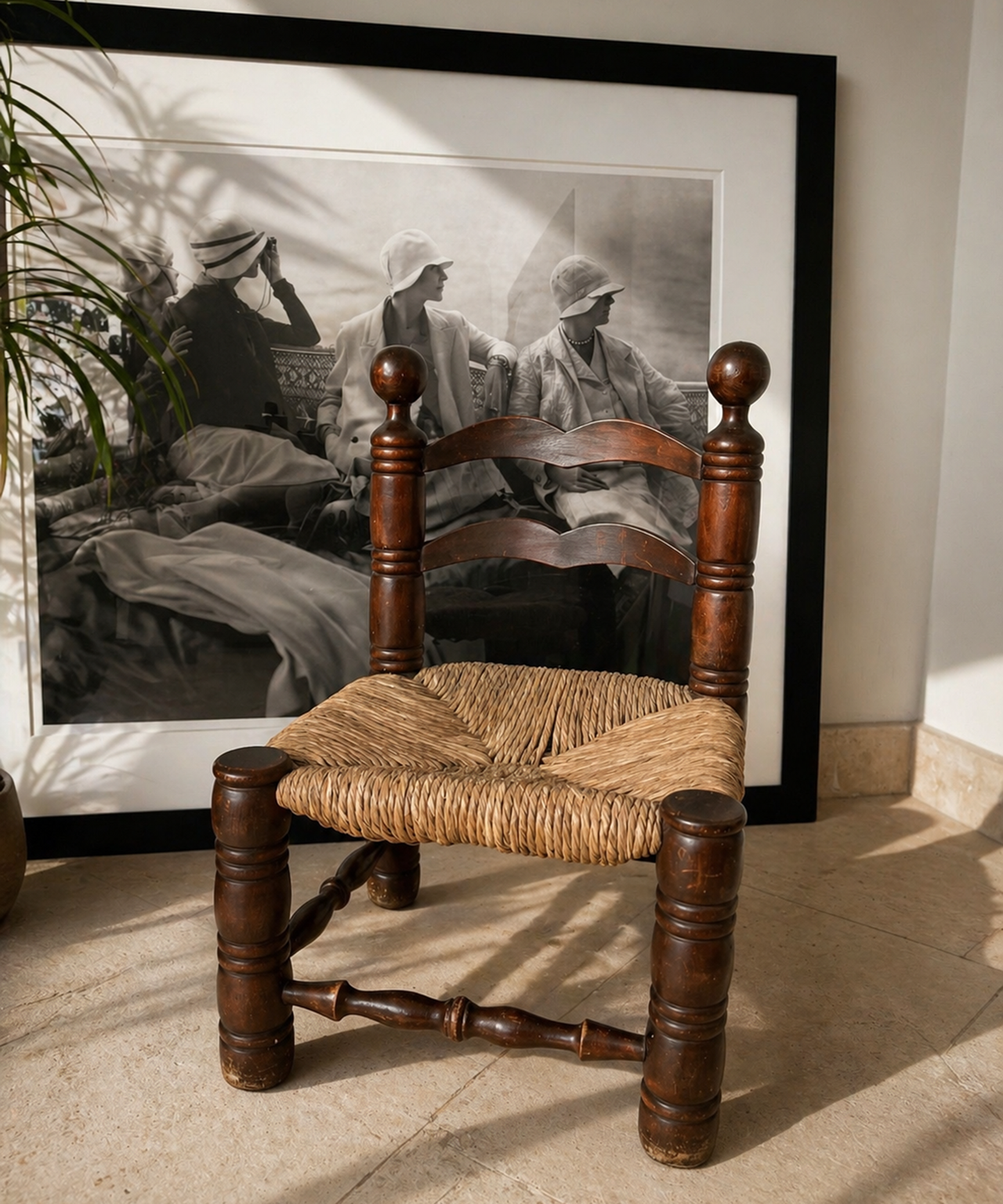
Vintage wood chair with rattan base in front of a black and white art print.

Perfection has long been the benchmark of beautiful interiors. Crisp linens, untouched marble, immaculately styled shelves – these elements have defined what many of us expect from a ‘well-designed’ home. But increasingly, this kind of perfection feels a little distant.

Lovely to look at, yes – but often missing the warmth and individuality that make a house truly feel like home. Spend enough time scrolling through flawlessly finished spaces on Instagram and a pattern emerges: they are visually striking, yet reveal very little about the people who live in them. Complete, but not necessarily personal.

We are far more drawn to the subtle clues of real living – the objects, layers, and imperfections that tell a story. It’s why, when photographing a finished project, we often seek out our clients’ personal belongings to style the space. These details bring life to a room in a way no showroom arrangement can.

A quieter shift is now taking place. The most compelling homes are no longer those that feel untouched, but those that feel lived in – spaces where time, use, and memory are allowed to leave their mark. A gently worn dining table, marble counters etched with faint rings of wine, a favourite armchair reupholstered more than once, a rug softened by years of footsteps or marked by the presence of children or pets – these details bring depth and character in a way pristine perfection never can.

This is the essence of what we call the anti-perfect home: a design approach that prioritises comfort, evolution, and authenticity over rigid or artificial ideals.

For decades, interior design trends have been shaped by the idea of the showroom – a space designed to be admired rather than truly lived in. Everything is carefully placed, every surface maintained, every detail considered. While undeniably beautiful, such spaces can feel more like a snapshot than a setting for everyday life.

In the age of social media, this effect has only intensified. Rooms are often styled for a single image, designed for immediate impact. But a home is not an Instagram post – it is something you move through, grow within, and return to each day.

The anti-perfect home embraces this reality. Rather than striving for a finished, unchanging look, it allows interiors to evolve naturally over time. Scratches, softened edges, and subtle signs of wear are not flaws to be concealed, but markers of a life well lived – something we always remind our clients.

(Image credit: LALA Reimagined)

Materials play a central role in this shift. Rather than choosing finishes that remain static, there is a growing appreciation for those that evolve over time. Unlacquered brass – something we intentionally incorporate into our kitchen designs – deepens with use, developing a rich, lived-in glow. Limewashed walls respond softly to the light, revealing texture and nuance as the day unfolds. Natural stone gathers delicate markings that quietly reflect the rhythms of daily life.

What was once considered wear is now understood as character – something that adds rather than detracts.

Furniture, too, benefits from a shift in perspective. Instead of being replaced at the first signs of age, pieces are maintained, adapted, and allowed to continue their story.

(Image credit: LALA Reimagined)

A beloved chair might be reupholstered in a fresh designer fabric, while still retaining its familiar shape. A table can take on new meaning as it shifts from formal occasions to everyday use. Nothing should feel too precious.

Over time, this approach creates interiors that feel layered and personal. A contemporary sofa might sit comfortably alongside a vintage side table; a cherished heirloom might find its place beside a recent flea market discovery. The result is a home that feels collected rather than decorated – one that tells your story.

There is also a gentle move away from strict symmetry. While balanced arrangements can be pleasing, they can sometimes feel overly controlled. In contrast, consider hanging artwork slightly off-centre, styling shelves with a lighter touch, or pairing unexpected pieces together.

(Image credit: LALA Reimagined)

These subtle shifts lend a room a sense of ease – more relaxed, more welcoming, and far more engaging to the eye. At the heart of the anti-perfect home is a quietly liberating idea: a space is never truly finished. There’s no final state to reach, no pressure for everything to feel resolved. Instead, rooms are free to evolve and adapt, mirroring the lives lived within them.

Embracing this mindset softens a home. It becomes more personal, more expressive, and more honest. Nothing is too precious to be used, and nothing too worn to be valued. The anti-perfect home isn’t about lowering standards – it’s about redefining them. It encourages spaces that feel as good as they look, where beauty is found not in flawlessness, but in subtlety and lived-in depth.

Sign up to read this article
Read news from 100's of titles, curated specifically for you.
Already a member? Sign in here
Related Stories
Top stories on inkl right now
One subscription that gives you access to news from hundreds of sites
Already a member? Sign in here
Our Picks
Fourteen days free
Download the app
One app. One membership.
100+ trusted global sources.