Denmark and Germany are developing Bornholm Energy Island as a major offshore wind hub in the Baltic Sea, designed to collect 3GW of electricity and send it to both countries. The project will use the Danish island of Bornholm as a central point for the power generated by wind farms placed offshore. From there, electricity will travel through underwater and land-based cables to national grids in Denmark and Germany. The agreement marks a significant step towards sharing renewable energy across borders, while turning Bornholm into an important link in Europe’s expanding offshore power network.
Get breaking news anytime, anywhere. Download the TOI app now!

3GW Bornholm Energy Island will connect offshore wind to Denmark and Germany
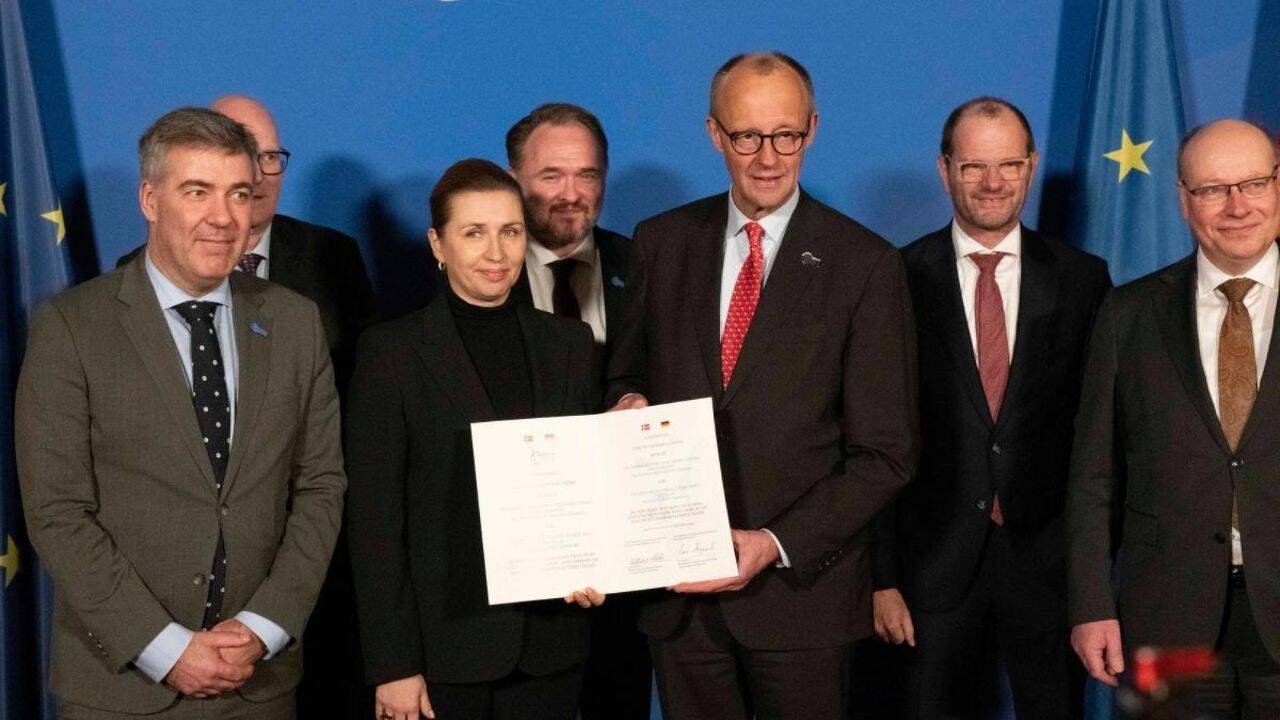
The Bornholm Energy Island project is centred on using the island as a power hub rather than simply building wind farms for Denmark alone. According to the European Commission, Denmark and Germany reached an agreement on the joint development of the project at the North Sea Summit in Hamburg on 26 January 2026. The Commission described it as the first key delivery of its Energy Highways initiative.
The project is planned to link 3GW of offshore wind generation with the electricity grids of both countries. This means electricity produced in the Baltic Sea can become a shared resource rather than remaining tied to a single national system. The European Commission says the project could also provide a blueprint for similar offshore developments elsewhere in the European Union.