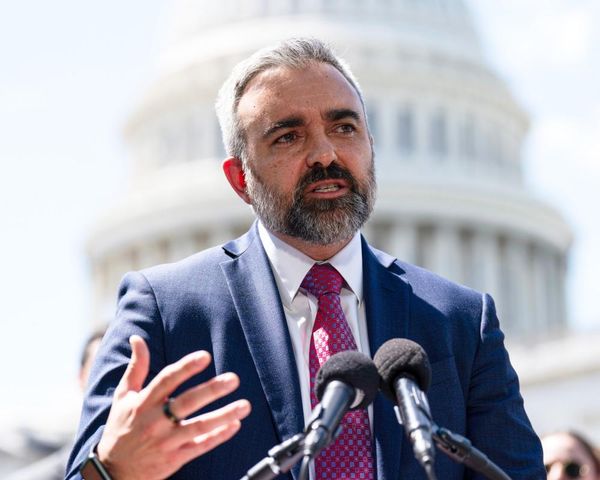
Denis Krainov is part of a rare group of pilots who use flight data to make flying safer. The aviation world runs on trust and timing, and every flight depends on people who prepare well and communicate clearly. As both a Senior First Officer and a Flight Data Monitoring (FDM) specialist, Denis has built his career around one goal: turning real-world flying into lessons that protect crews and passengers.
A Global Career in Motion
Denis Krainov is a commercial pilot with over 2,600 flight hours on Airbus A320. He works with Heston Airlines, a European ACMI provider that supplies aircraft, crew, maintenance, and insurance to partner carriers. The job demands unusual flexibility. In a single season, he may support up to eight client airlines, each with distinct procedures and cockpit habits. The variety has given him a broad view of how safety culture forms and adapts across operations.
Bridging Flight and Data
For Denis, data is a tool for understanding how crews work together, not a score that ranks them. In his FDM work, he studies operational trends and discusses them directly with crews. The goal is learning, not blame.
He believes proper safety is impossible without trust. “Data should be a tool for empowerment, not punishment,” he says. That principle, combining complex data with human empathy, guides every analysis and debrief he leads.
Open dialogue, not surveillance, is what keeps operations safe. When people feel heard, minor issues surface early, long before they become risks.
Why It Matters for Modern Aviation
Technology’s rise brings mixed feelings in aviation. Data tools keep improving, yet some crews fear surveillance or second-guessing. Denis works to balance both. He advocates for anonymized trend reviews, straightforward briefings, and open dialogue. For anyone invested in safer operations, the outcome is clear: stronger data, open conversations, and a shared understanding across teams.
Lessons From the ACMI Classroom
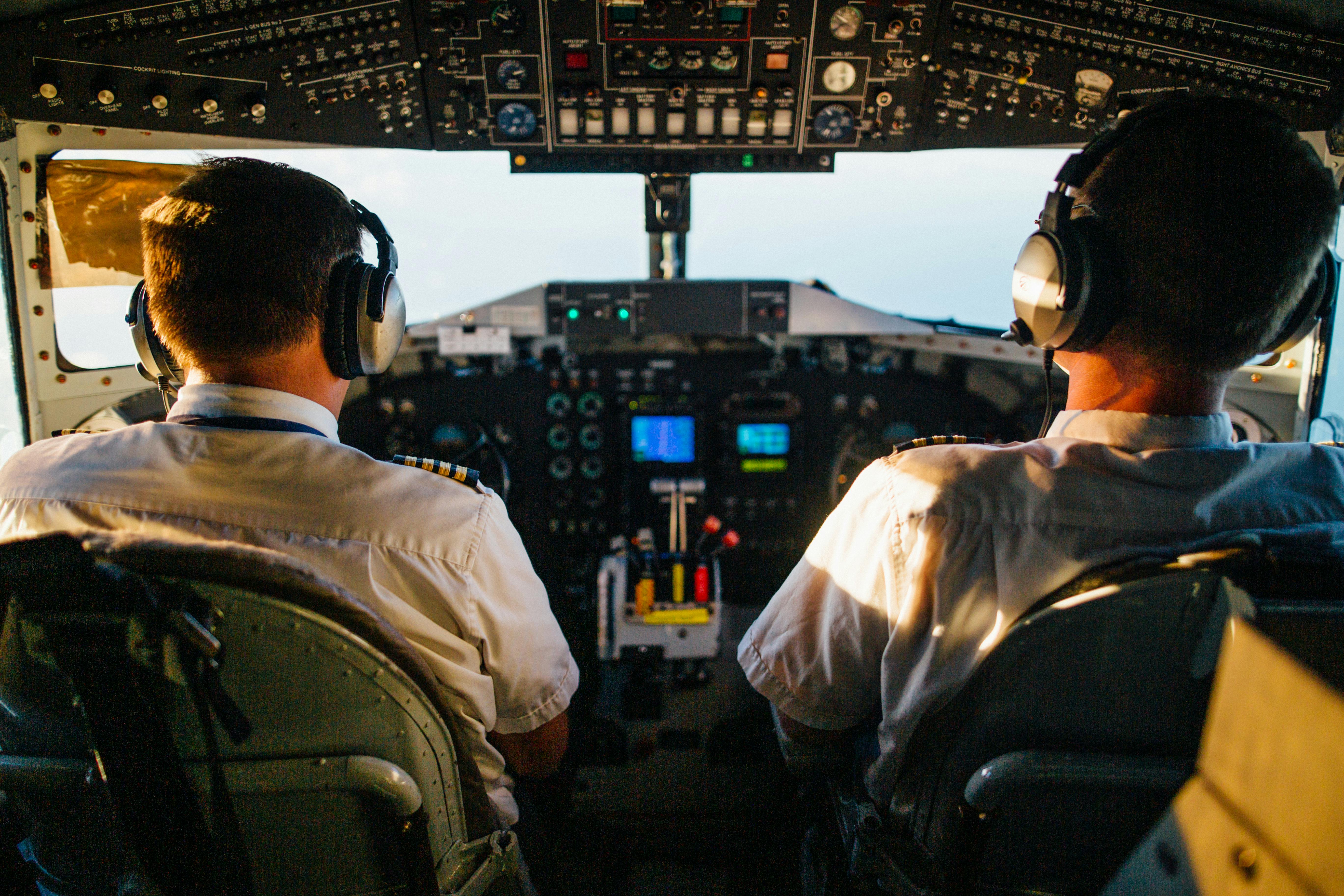
ACMI flying is a test of adaptability. Crews rotate across regions, airspaces, and regulatory systems. Denis has flown in the Baltics, Scandinavia, Germany, the Balkans, the Middle East, North Africa, and Asia to over 120 airports on four continents. Each route adds a lesson: different terrain, weather patterns, and local procedures. His ability to translate those experiences into practical training advice makes him a key connector between data analysis and real-world flying.
Practical takeaways for operators and crews include:
- Keep briefings focused on the main risks for each route and how recent data relates to them.
- Share information openly, discuss examples without naming individuals, and invite honest feedback.
- Follow up after changes to confirm whether safety improvements work in daily flying.
- Use consistent language across different airlines to reduce confusion.
- Treat people with respect and examine contributing factors rather than assigning blame.
Education and Perspective
Denis holds a Bachelor of Science (Hons) in Aviation Management from Buckinghamshire New University (UK), recognized by the UK Privy Council and equivalent to a U.S. BSc. He trained in Florida, where he earned his first license and built his early hours. That mix of U.S. training, UK academics, and EU operations shaped a balanced view of how different systems handle pressure.
Data, Trust, and Measurable Impact
Denis lets his work speak for itself. His record shows steady flying and the respect of the teams he supports. With dual international licenses, he combines pilot judgment with data literacy, serving as a bridge between the cockpit and the safety office. The mix helps translate analytics into action for crews.
He describes himself as “an internal advocate for a new culture in aviation”, focused on proving that complex data and human compassion can coexist.
His approach reflects the ‘just culture’ principles outlined by the International Civil Aviation Organization (ICAO) and the European Union Aviation Safety Agency (EASA). Both bodies emphasize open reporting and fair accountability as the foundation of safer operations, echoing the same philosophy Denis applies in his daily work.
Navigating Everyday Challenges

Flying across so many regions has shown Denis that, no matter the airline or aircraft, pilots face the same pressures. Tight turnarounds, unfamiliar procedures, and shifting weather patterns can test even experienced crews. The real challenge isn’t technical skill, it’s consistency under pressure, and the confidence to speak up when something feels off.
His guidance for fellow pilots:
- On data anxiety: Encourage open discussion where trends are shared, not names.
- On procedural differences: Keep standardized checklists with notes on variations.
- On time pressure: Protect a few quiet minutes before descent to review and plan.
- On speaking up: End each flight with one question, ‘What would you change next time?’
Looking Ahead
Denis plans to captain aircraft and lead teams while pursuing an MBA in aviation management. He is also pursuing a U.S. license to deepen cross-border expertise. Away from work, he values simple pleasures such as gym sessions, hiking, travel, and classic films to maintain balance and perspective.
“I want to change the soul of safety in aviation,” Denis says. “We’ve moved from an era of pure intuition to an era of data. But data without humanity is just noise. My goal is to inject that humanity back into the numbers, to show every pilot that this technology is here to support them, to learn from their expertise, and to protect them. It’s about building a community in the skies, where we all look out for each other, backed by the unbiased truth that data provides.”
About the Author:
Maya Connors is a California-based aviation and safety writer. Her work focuses on aviation culture, leadership, and trust-building in complex systems.
References:
- Denis Krainov LinkedIn Profile
- International Civil Aviation Organization (ICAO) – Safety Management Manual, 4th Edition
- European Union Aviation Safety Agency (EASA) – Just Culture and Safety Promotion Guidelines