Get all your news in one place.
100's of premium titles.
One app.
Start reading
The Independent UK
The Independent UK
Health
Liz Cookman

‘Deeply human cost’ of US aid cuts worse for women and girls, new study finds

Women in Kenya have fewer reproductive health choices because of Trump's cuts - (AFP/Getty)

The early months of the Trump administration’s abrupt cuts to global aid had a “deeply human cost”, researchers have found,

A new study published in the British Medical Journals (BMJ) Public Health journal, looking into the early months of Donald Trump’s US aid cuts, found that they had disrupted health and humanitarian systems, disproportionately affecting women, girls and marginalised communities.
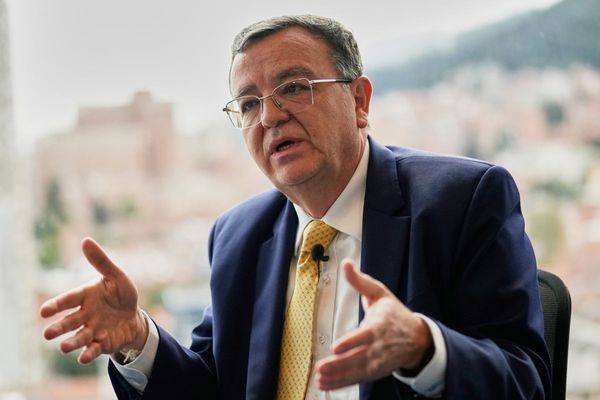
It found that sexual and reproductive health and rights (SRHR) were immediately disrupted, HIV treatment was interrupted and the LGBTQ+ community, sex workers, people living with HIV and migrants were made more vulnerable.

The research was led by Columbia University Mailman School of Public Health and looked at the initial freeze, between February and March 2025, speaking to NGOs working in Nepal, Kenya and Colombia.

“The findings lay bare what many of us on the ground have known: The funding disruption was a systems-level shock with a deeply human cost,” said co-author Julia Kosgei, co-founder and head of health at a policy/strategy group in Kenya.

Pregnant women were turned away from facilities, while adolescents lost access to reproductive health services and progress on HIV transmission was put at risk, she added.

Frontline staff quit jobs, crippling nutrition care for mothers and newborns, while the cuts also hit grassroots NGOs providing HIV programmes particularly hard, added co-author Anand Tamang, director of CREHPA in Nepal.

The Trump administration dismantled the US Agency for International Development (USAID) shortly after the president re-entered the White House last year. The US was the world's largest provider of humanitarian and development aid and thousands of health and aid programmes were shuttered at short notice.

"For many decades, the U.S. government has been the world's largest contributor of foreign aid, with much of that funding supporting essential health services. The abrupt termination of foreign aid in 2025 was a systems-level shock that exposed structural weaknesses in global health financing and governance," says one of the study’s authors, author Sarah Branoff, MPH, a research assistant in the Heilbrunn Department of Population and Family Health at Columbia Mailman School.

Vulnerable populations such as pregnant women and newborns have been among the most affected, international organisations and NGOs have warned. This has been compounded by years of declining aid from European donors, including the UK, who have announced further reductions since.

The UK is set to cut aid to nine African countries, including Kenya, by more than 80 per cent, as part of plans to reduce the aid budget from 0.5 to 0.3 per cent of Gross National Income. Aid to Kenya is set to fall by 93 per cent.

The ongoing outbreak of Ebola in the Democratic Republic of the Congo (DRC) has been exacerbated by humanitarian aid cuts, aid organisations have said.

The study’s authors said the findings point to the need for more diversified and reliable financing for health and humanitarian programmes, stronger domestic preparedness and a rights-based approach that centres marginalised populations.

This article has been produced as part of The Independent’s Rethinking Global Aid project

Sign up to read this article
Read news from 100's of titles, curated specifically for you.
Already a member? Sign in here
Related Stories
Top stories on inkl right now
One subscription that gives you access to news from hundreds of sites
Already a member? Sign in here
Our Picks
Fourteen days free
Download the app
One app. One membership.
100+ trusted global sources.