Earth has its own vertical world. Above us is the sky; below it are layers of rock accumulated over billions of years, holding fossils, minerals, heat and secrets that humans can reach only by cutting into the ground.
On the Kola Peninsula, near Russia's border with Norway, the Soviet Union tried to go farther down than anyone had gone before. In 1970, the Cold War was pushing the superpowers upward into space, but the mighty Soviets also wanted to conquer what lay beneath their feet. As the country celebrated the centenary of Vladimir Lenin's birth, engineers began drilling into the Earth's crust.

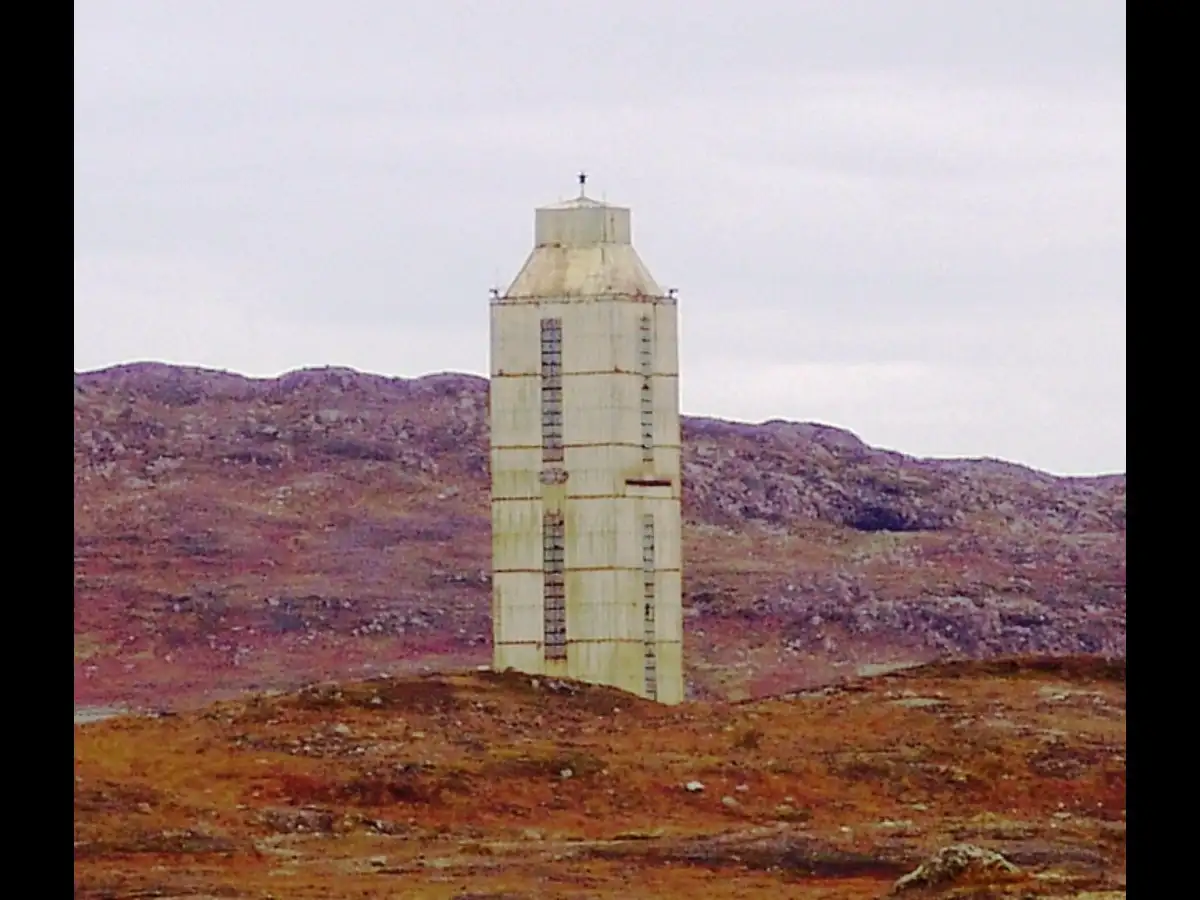
For almost 20 years, the drill descended through ancient rock. The result was the Kola Superdeep Borehole, a man-made crevasse that eventually reached 12,262 meters, or about 7.6 miles, beneath the surface, deeper than the Mariana Trench's Challenger Deep, which reaches about 10,994 meters (6.8 miles).
But the Soviet Union's achievement of drilling the deepest artificial hole in human history came with a lesson few could have anticipated: the deeper humans went, the less Earth behaved as engineers expected.
The Soviet race to reach Earth's depths
Drilling began on May 24, 1970, on the Kola Peninsula, a remote stretch of land that borders Norway and lies far above the Arctic Circle. At that time, the peninsula was part of the Soviet Union, which was once the domain of the indigenous semi-nomadic Sami people.
The Kola project was part of a much larger Cold War competition. The Soviet Union and the United States were already competing in space, nuclear technology and military power. Beneath the surface, scientists and engineers were also trying to understand how far humans could penetrate Earth's crust.
The ambition was extraordinary: drill deep enough to study the Earth's crust directly and, ultimately, approach the boundary between the crust and mantle, a solid layer of hot silicate rock that lies directly beneath it.