As global climate targets tighten and energy markets experience heightened volatility, commercial and industrial enterprises face growing pressure to transition away from traditional fossil-fuel heating systems. Space heating, domestic hot water production, and industrial process heating account for a significant portion of total energy consumption in commercial buildings, factories, and district heating networks. Relying on conventional natural gas or oil boilers not only exposes businesses to fluctuating fuel prices but also generates considerable carbon emissions that conflict with modern corporate sustainability mandates. Consequently, forward-thinking building managers and industrial engineers are actively adopting electrified, high-efficiency thermal management systems to future-proof their operations.
Electrification of heat using advanced thermodynamic technology has emerged as one of the most effective strategies for achieving deep decarbonization in large-scale infrastructure. Modern large-scale thermal systems capture ambient thermal energy from air, ground, or industrial waste heat streams and elevate it to usable temperatures for space heating or hot water supply. Operating with high Coefficients of Performance (COP), these systems deliver multiple units of useful heat for every unit of electricity consumed, dramatically lowering overall energy consumption compared to direct electric resistance heating or fossil-fuel combustion.
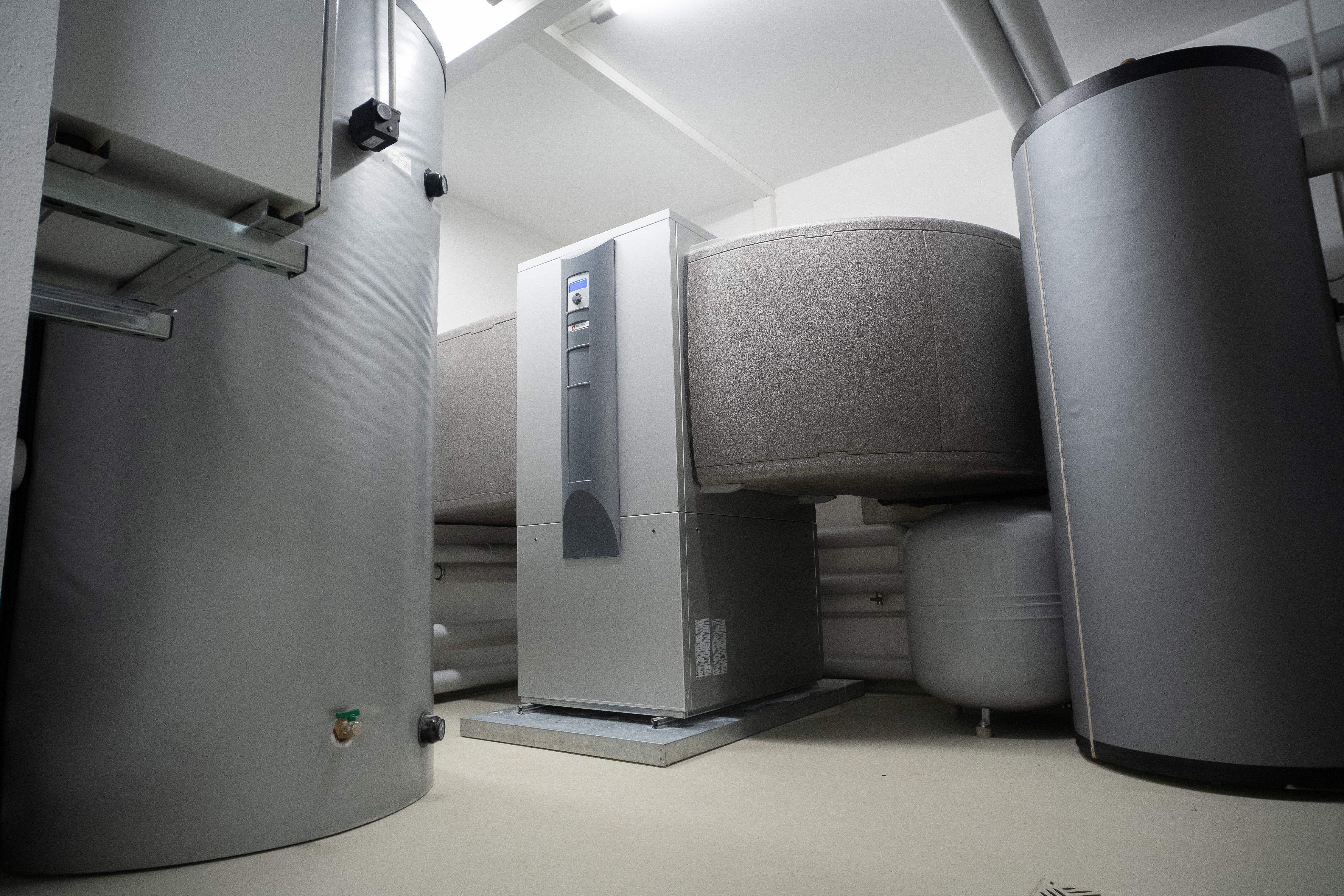
Businesses seeking to reduce operational expenditures and lower their carbon footprint can integrate a custom-engineered Commercial heat pump to deliver reliable, high-temperature thermal energy across large facilities and commercial spaces.
Economic Efficiency and Regulatory Compliance
The strategic integration of commercial thermal systems offers substantial long-term benefits beyond simple energy efficiency. By replacing fossil-fuel combustion with electrified heat generation, organizations hedge against future carbon taxes and regulatory penalties while enhancing their corporate environmental ratings. Furthermore, advanced units using low-GWP (Global Warming Potential) or natural refrigerants like ammonia or carbon dioxide support regulatory compliance with evolving international environmental standards.
To maximize operational efficiency, commercial thermal installations must be carefully designed to align with specific facility load profiles. Engineers conduct comprehensive thermal audits to evaluate temperature requirements, peak demand patterns, and available waste heat sources such as industrial effluent, cooling water, or data center exhaust. Integrating thermal storage buffers allows systems to store excess heat during off-peak electricity hours, enabling dynamic load shifting that further reduces utility expenses.
Industrial Integration and Sustainable Infrastructure
In addition to primary space heating, large-scale heat pump technology plays an increasingly pivotal role in industrial process applications and district heating integration. Facilities operating concurrent heating and cooling demands, such as food processing plants, breweries, and pharmaceutical manufacturing sites, can utilize simultaneous heating and cooling cycles, maximizing overall thermodynamic efficiency and eliminating energy waste.
In conclusion, transitioning to high-efficiency commercial thermal generation represents an essential pillar of modern industrial energy management. By leveraging advanced thermodynamic technology, business enterprises can achieve significant operational cost reductions, ensure regulatory compliance, and accelerate their journey toward net-zero carbon operations. Strategic thermal electrification is no longer merely an environmental preference; it is a fundamental business strategy for long-term competitiveness and resilience in a rapidly changing energy landscape. Investing in modern thermal infrastructure ensures stable indoor environments, lowers ongoing maintenance demands, and establishes a clear competitive advantage in sustainable facility management for forward-looking organizations.