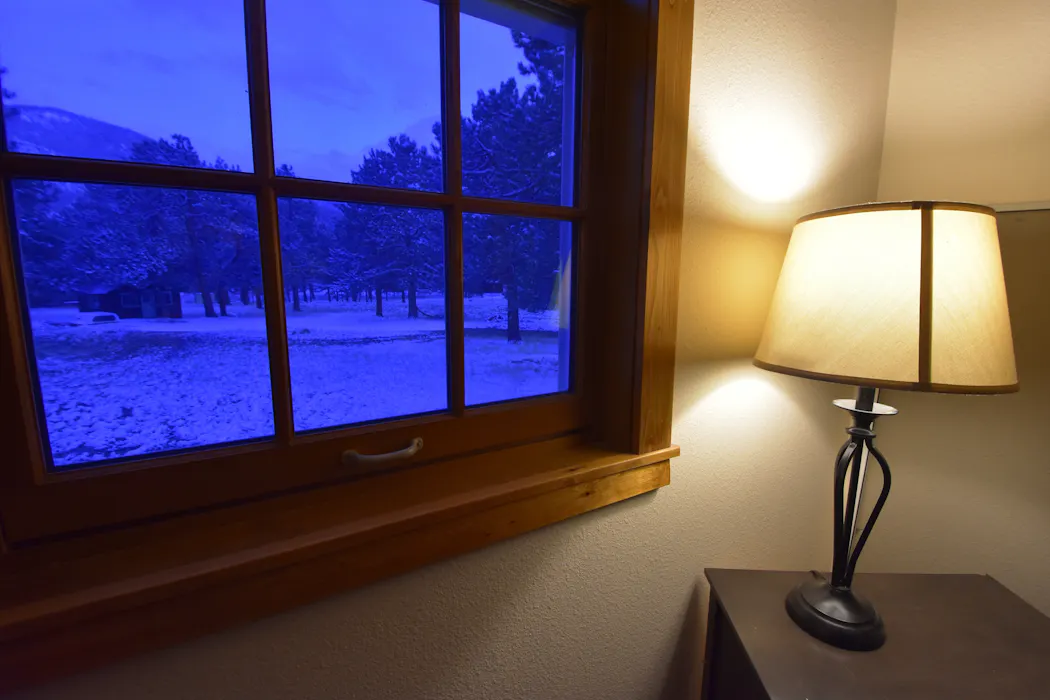
When the clocks go back each October, we gain an hour of sleep and lose an hour of evening daylight. The practice of moving the clocks forward in spring was introduced partly to save energy, by making better use of daylight at the end of the day so there would be less need for artificial lighting.
But the lights in our homes have changed dramatically since the UK first adopted summer time in 1916 – and the change over the past decade or so has been especially rapid. A modern LED bulb can produce as much light as an old-fashioned 100-watt bulb while using a fraction of the electricity. This raises a question: in an age of energy-efficient lighting, does changing the clocks still save us much energy?