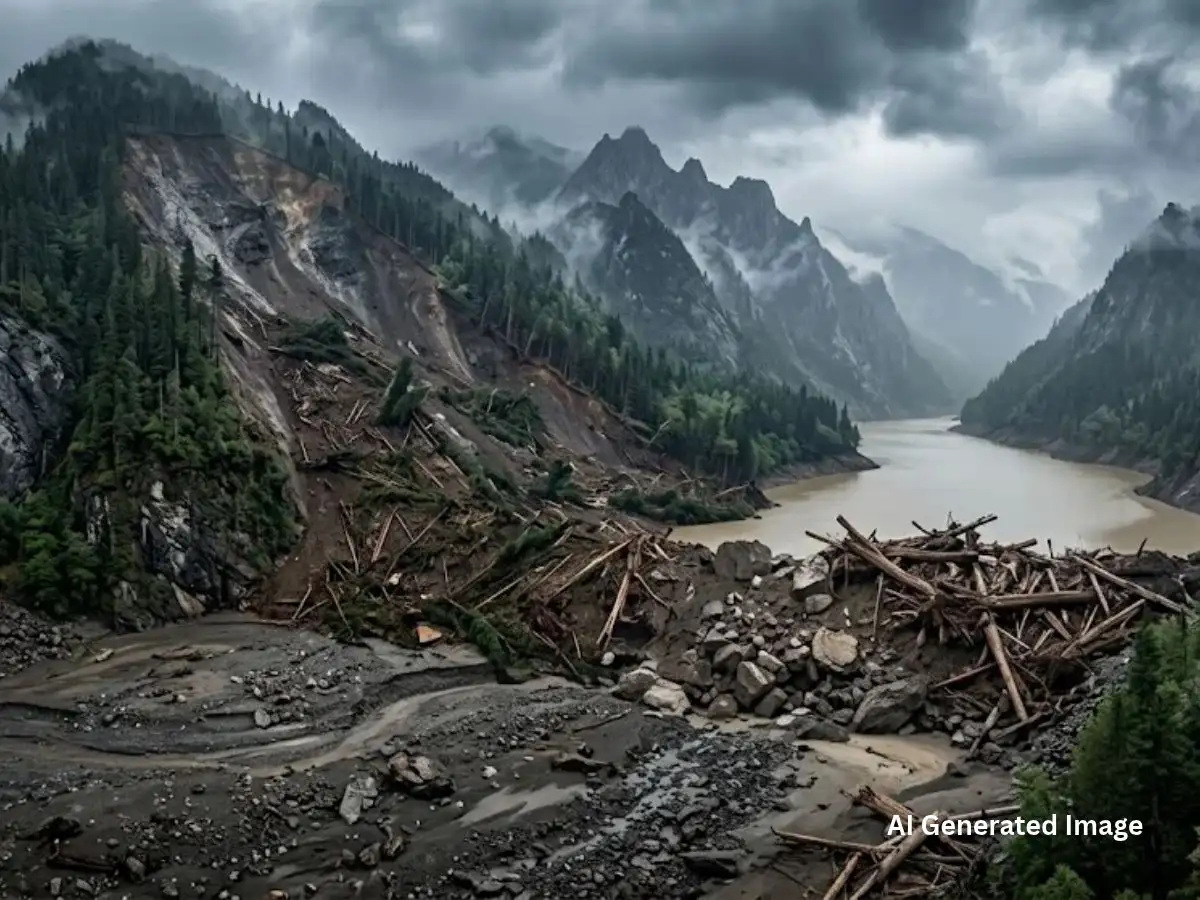
China averted a potentially catastrophic flood in June 2008 after engineers and military personnel carved an artificial drainage channel through a massive landslide dam formed by the 7.9-magnitude Wenchuan earthquake in Sichuan province on May 12. The quake-triggered blockage on the Tongkou River created a rapidly filling lake that threatened millions of people downstream. Authorities evacuated residents, airlifted heavy machinery into the mountainous region and deliberately released the water through an engineered channel, bringing the lake under control without flood-related casualties.
The operation at Tangjiashan became an important case study in managing unstable landslide dams. Its lessons on drainage-channel design, erosion prediction and downstream flood modelling were subsequently applied during the 2018 Baige landslide crisis in China.