
Get all your news in one place.
100's of premium titles.
One app.
Start reading
Times Pets
Times Pets
Sonam Singh

Daily Health Check Routine for Your Pet

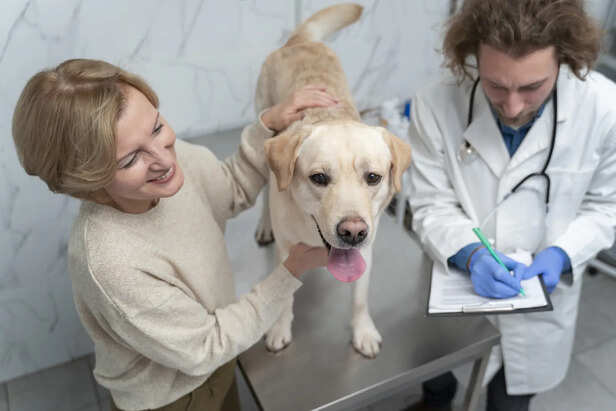
Pets cannot tell us when something feels wrong, which is why daily health checks are so important. A few minutes of careful observation each day can help you notice subtle changes in your pet’s condition. These small checks can prevent minor issues from becoming serious health problems. Whether you have a dog or a cat, maintaining a routine health check ensures your pet remains active, comfortable, and safe. It also helps you build a deeper understanding of your pet’s normal behavior and needs.

Observe Behavior and Energy Levels

Observe Behavior and Energy Levels

Start your daily health check by observing your pet’s behavior. A healthy pet is usually active, alert, and responsive. Notice if your pet is unusually lazy, restless, or hiding more than usual. Sudden changes in behavior, such as aggression or withdrawal, can indicate discomfort or illness. Pay attention to how your pet moves. Limping, stiffness, or difficulty standing may signal joint pain or injury. Also, observe their sleeping patterns too much or too little sleep can be a warning sign. Knowing your pet’s normal routine makes it easier to detect even slight changes.

Check Eating, Drinking, and Digestion

Check Eating, Drinking, and Digestion

Monitoring your pet’s eating and drinking habits is crucial. A sudden loss of appetite or excessive thirst can indicate underlying health issues. Ensure your pet is eating their regular food and drinking enough water throughout the day. Also, keep an eye on digestion. Check for vomiting, diarrhea, or constipation. Changes in stool consistency, color, or frequency can signal digestive problems or infections. Regular monitoring helps you act early before the condition worsens.

Examine Eyes, Ears, Nose, and Mouth

Examine Eyes, Ears, Nose, and Mouth

A quick physical check can reveal a lot about your pet’s health. Your pet’s eyes should be clear and bright, without redness or discharge. Ears should be clean and free from foul odor or excessive wax, which may indicate infection. Check the nose it should be slightly moist (for dogs) and free from unusual discharge. Inspect the mouth and gums; healthy gums are usually pink, not pale or bleeding. Bad breath can also be a sign of dental problems or infection.

Inspect Skin, Coat, and Body Condition

Inspect Skin, Coat, and Body Condition

Run your hands gently over your pet’s body to check for any lumps, bumps, or injuries. A healthy coat should be shiny and smooth, not dull or excessively shedding. Look for signs of parasites like fleas or ticks, especially if your pet spends time outdoors. Check for redness, rashes, or wounds on the skin. Also, monitor your pet’s weight and body condition. Sudden weight loss or gain can indicate health problems. Regular grooming helps you notice these issues more easily and keeps your pet comfortable.

A daily health check routine is a simple yet powerful way to ensure your pet’s well being. By observing behavior, monitoring eating habits, and performing quick physical checks, you can detect health issues early and take timely action. These few minutes of care each day can prevent serious illnesses and improve your pet’s quality of life. Consistency and attention are key to keeping your furry friend healthy, happy, and safe.

Sign up to read this article
Read news from 100's of titles, curated specifically for you.
Already a member? Sign in here
Related Stories
Top stories on inkl right now
One subscription that gives you access to news from hundreds of sites
Already a member? Sign in here
Our Picks
Fourteen days free
Download the app
One app. One membership.
100+ trusted global sources.