Get all your news in one place.
100's of premium titles.
One app.
Start reading
The Conversation
The Conversation
Joan Rose, Professor of Water Research; Director, Water Alliance, Michigan State University

Cyclospora spreads through human waste – so how did it get on food?

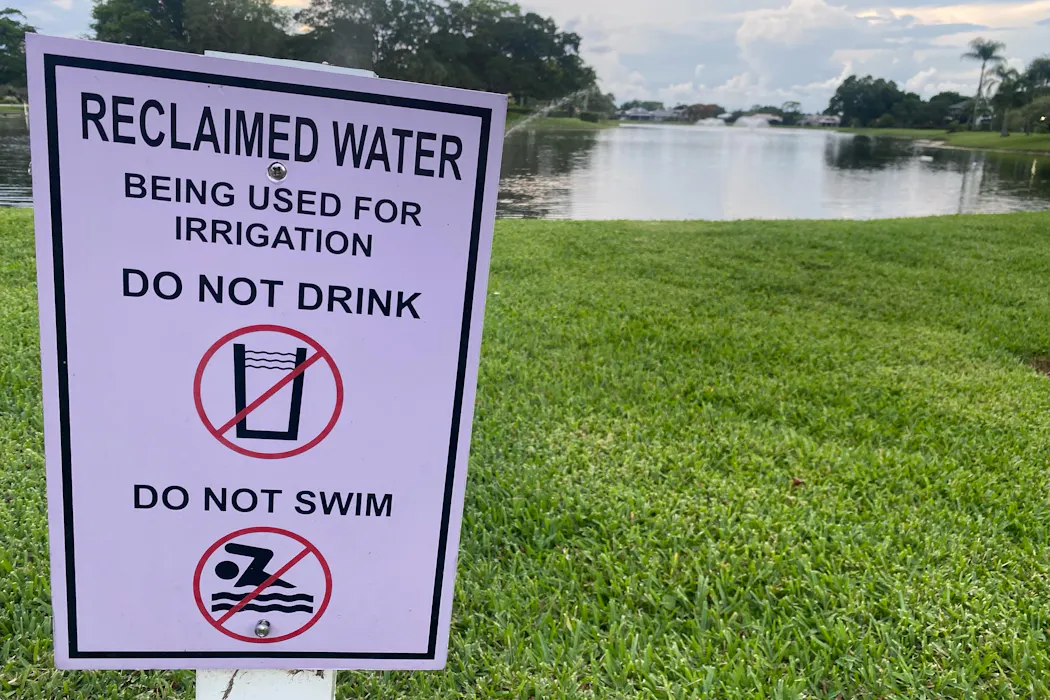
A sign warns passers-by that irrigation in the area uses treated sewage wastewater. Lindsey Nicholson/UCG/Universal Images Group via Getty Images

The nationwide cyclospora outbreak is very likely a result of sewage contamination in the food supply, according to scientific researchers and public health officials.

The parasite’s spread can become a self-perpetuating cycle. Cyclospora is found only in humans, where it replicates in the intestinal tract, causing severe diarrhea. The organism reproduces by releasing oocysts, which are excreted in those human feces. In the U.S., feces usually end up in sewage systems.

Sign up to read this article
Read news from 100's of titles, curated specifically for you.
Already a member? Sign in here
Related Stories
Top stories on inkl right now
One subscription that gives you access to news from hundreds of sites
Already a member? Sign in here
Our Picks
Fourteen days free
Download the app
One app. One membership.
100+ trusted global sources.