This blog is now closed.
You can also read our full report by our New Zealand correspondent, Tess McClure.
Final storm summary for 14 February
Before we close down our live blog, here is a quick summary of today’s developments.
Thank you for reading today, and take care out there.
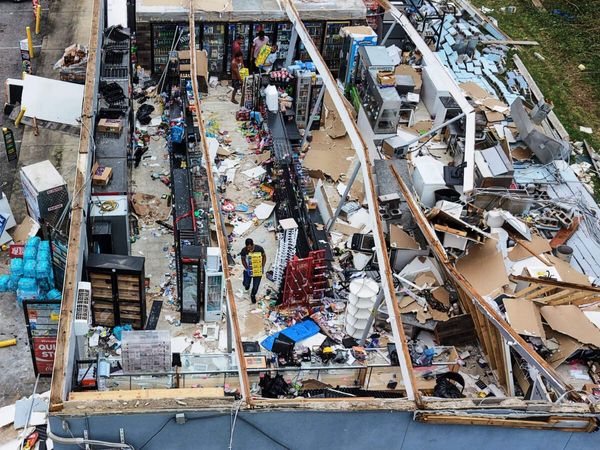
As heavy wind and rain from ex-Cyclone Gabrielle battered the North Island overnight, residents awoke on Tuesday to roads eaten away by landslips, collapsed homes buried in mud, people trapped on rooftops, fallen trees and power lines, flood waters blocking roads and communities stranded.
The New Zealand government declared a national state of emergency – only the third time in the country’s history (the previous occasions were in response to the 2019 Christchurch attacks and the Covid-19 pandemic).
The areas worst-affected by the storm appear to be around the east coast and far north of the North Island.
At least 2,500 people have been displaced and 225,000 left without power.
New Zealanders were told that power might not be restored to some areas “for days to weeks”.
High winds prevented helicopter rescues of people trapped in homes and vehicles.
Authorities are “really concerned” about the Hawke’s Bay settlement of Wairoa, which remains cut off from communications.
A firefighter is missing after a landslide in Auckland’s Muriwai destroyed a house he was checking.
As parliament briefly returned (it has now been postponed for the week), the climate change minister, James Shaw, made a furious speech excoriating parliament for lost decades of “bickering” over the climate crisis.
Air New Zealand cancelled all domestic flights in and out of Auckland on Tuesday afternoon.
Cyclone Gabrielle is gradually moving south-east away from New Zealand, but the risk of landslides is expected to remain high, particularly if the rain continues.
If you have been personally affected by the disaster, and are in a safe place to communicate, we would like to hear from you.
Updated