Get all your news in one place.
100's of premium titles.
One app.
Start reading
The Conversation
The Conversation
Melanie Bisnauth, Public Health Technical Advisor, Anova Health Institute and Doctoral Researcher, School of Public Health, University of the Witwatersrand

COVID affected access to HIV treatment: the stories of migrant women in South Africa show how

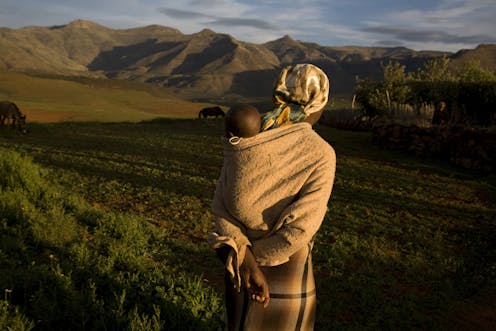
COVID-19 lockdowns significantly reduced access to and the provision of antiretroviral treatment services. Gideon Mendel/Corbis via Getty Images

South Africa has made massive strides in the fight against HIV. One of the country’s flagship interventions has been the prevention of mother-to-child transmission (PMTCT) of HIV. Nevertheless, South Africa still has the world’s largest HIV epidemic. It’s estimated that 7.5 million people in the country have HIV. Women of reproductive age account for more than half of this number – 4.8 million.

Prevention of mother-to-child transmission of HIV requires pregnant women to take life-long antiretroviral therapy (ART) to prevent the onward transmission of the virus to their babies during pregnancy, birth or breastfeeding.

Sign up to read this article
Read news from 100's of titles, curated specifically for you.
Already a member? Sign in here
Related Stories
Top stories on inkl right now
One subscription that gives you access to news from hundreds of sites
Already a member? Sign in here
Our Picks
Fourteen days free
Download the app
One app. One membership.
100+ trusted global sources.