Get all your news in one place.
100’s of premium titles.
One app.
Start reading
LiveScience
LiveScience
Gabriela Galvin

COVID-19 vaccination during pregnancy may cut risk of preeclampsia

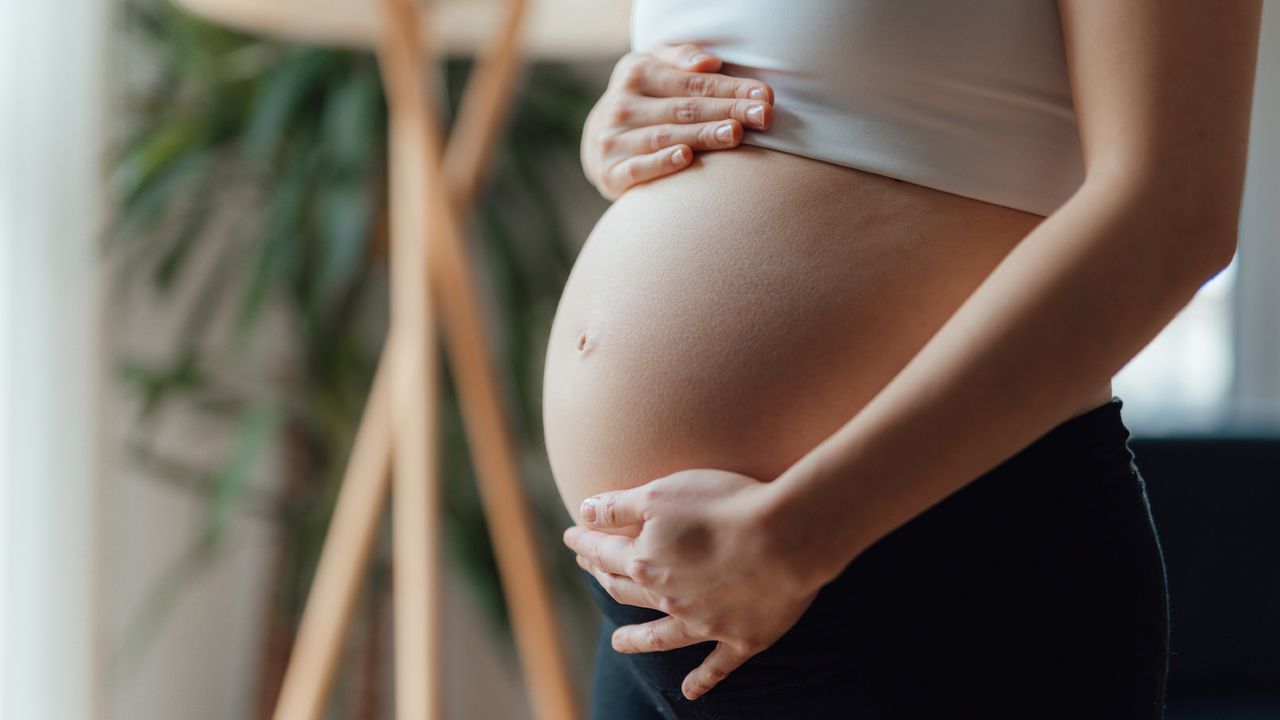
A close up of a pregnant belly, with a woman wearing a white shirt that is bunched up above it and black pants below. A lamp is blurry behind the woman.

Catching COVID-19 during pregnancy significantly raises the risk of the blood-pressure disorder preeclampsia — but getting vaccinated protects against this serious pregnancy complication, new research finds.

Studies have consistently shown that COVID-19 can worsen pregnancy outcomes. The new findings suggest that, during the pandemic, the coronavirus infection raised the risk of preeclampsia by 45% among pregnant women who caught it, compared to those who did not. Unvaccinated women who caught COVID-19 saw their risk rise by 78%.

Vaccination, meanwhile, lowered the risk of preeclampsia. In people who completed both an initial COVID-19 vaccine regimen and got an updated booster shot, the risk fell by 33%, overall. And it fell by 58% among people with preexisting medical conditions, like diabetes, who got a booster dose.

If these findings are confirmed, they would be a "breakthrough" in understanding the potential links between preeclampsia and viruses, co-lead study author Dr. José Villar, a professor of perinatal medicine at the University of Oxford, told Live Science.

"A protective effect"

About 3% to 8% of pregnant people develop preeclampsia, typically in the second half of pregnancy or shortly after childbirth. Preeclampsia is marked by persistent high blood pressure and, often, protein in the urine, which is a sign of kidney damage. It can also cause vision problems, vomiting, severe headaches, or sudden swelling of the face, hands or feet.

Preeclampsia can cause serious complications, including damage to the liver and kidneys, strain on the heart, and disruption to the placenta's blood supply. It can sometimes progress to eclampsia, which involves brain swelling, seizures or coma. Both preeclampsia and eclampsia can be life-threatening for both the mother and the baby.

Scientists don't know exactly what causes preeclampsia. There's some research to suggest it arises from abnormal development of the placenta, but it's not completely clear whether placental dysfunction drives preeclampsia or is a consequence of it. That said, there is emerging evidence that viral infections, such as COVID-19, may play a role in some cases by triggering changes in the immune system and causing blood-vessel dysfunction, the key process behind preeclampsia symptoms.

Villar's team speculated that COVID-19 vaccines might help curb that risk by lowering the odds of COVID-19 infection and severe illness. They also theorized that vaccination may boost the immune system overall, thereby protecting against other infections and damage to the blood vessels.

For the study, which was published Feb. 18 in the journal eClinicalMedicine, the researchers analyzed data from more than 6,500 women in 18 countries who were pregnant between 2020 and 2022. One-third of the participants were diagnosed with COVID-19 during pregnancy. About 58% were unvaccinated for COVID-19 at the time their data was gathered. Among the remaining women, about 31% got a booster dose in addition to completing their original vaccination series.

A new study suggests that COVID-19 vaccines may help cut the risk of preeclampsia, particularly when the pregnant person is up to date on their boosters. (Image credit: SOPA Images via Getty Images)

Vaccination seemed to offer a "protective effect" against preeclampsia, the researchers said, and booster shots added an extra defense. Notably, women who got booster shots also had lower rates of poor pregnancy outcomes overall — measured as an index score that included events like preterm birth, admission to an intensive care unit, and more — compared with unvaccinated women.

That's in line with research published in 2024 that found women who got at least one COVID-19 shot were less likely to have preterm births, experience stillbirth, or have a baby who was small for their gestational age than unvaccinated people were.

"Vaccinations are safe and are protective for several risks," said Dr. Elena Raffetti, an assistant professor at the Karolinska Institute in Sweden and first author of the 2024 report. "There was not at all an increased risk of preeclampsia among women who were vaccinated," added Raffetti, who was not involved in the new study.

The authors of the latest study emphasized that their findings support current vaccine guidance. The American College of Obstetricians and Gynecologists recommends that pregnant people get an updated COVID-19 vaccine at the earliest opportunity — either while trying to get pregnant, during any trimester of pregnancy, or while breastfeeding or in the postpartum period.

The new analysis does have some limitations. For example, while the researchers tried to control for factors that could influence the results — such as the women's ages, smoking history or health issues linked to preeclampsia, such as previous high blood pressure and diabetes — Villar said there may be other differences between the vaccinated and unvaccinated groups that contributed to their risks.

The study authors said future research into preeclampsia's causes should focus on how the immune system responds to both infections and vaccines, and why infections like COVID-19 seem to raise the risk of the condition.

Villar noted that much is still unknown about what causes preeclampsia, meaning any new insight can help researchers understand this "major disease affecting the mother and the fetus."

This article is for informational purposes only and is not meant to offer medical advice.

Sign up to read this article
Read news from 100’s of titles, curated specifically for you.
Already a member? Sign in here
Related Stories
Top stories on inkl right now
One subscription that gives you access to news from hundreds of sites
Already a member? Sign in here
Our Picks
Fourteen days free
Download the app
One app. One membership.
100+ trusted global sources.