Parts of the Cairngorms have been on fire for over three weeks. Many places I take for granted that I can walk to are off-limits. Huge swathes of moorland that should be purple with heather, understoreys that should be thick with blaeberries, granny pines and younger trees, are scorched black. In places, the fires has burned down into the tree root system and the peat layer, and may smoulder for weeks.
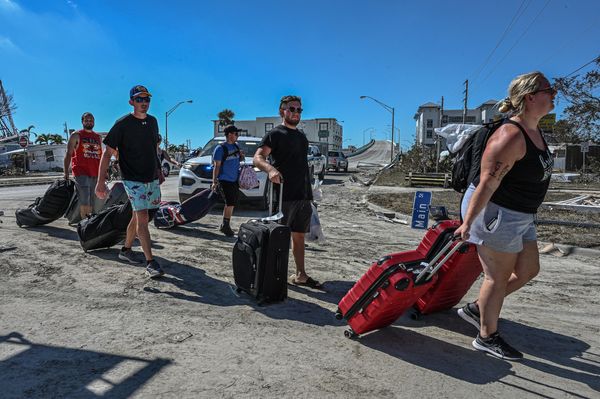
It’s been a period of uncertainty and despair. I’ll never forget the day the wind changed direction and a huge plume of smoke rose behind the trees immediately beyond our house. We waited to see if we would be evacuated, gathered passports, important documents, medicines, and packed a bag of clothes. When residents of nearby Nethy Bridge were advised to evacuate, we stayed with a friend just outside the perimeter for the night, something I never imagined having to do.

By now, 25 square kilometres of internationally important moorland and forest have burned; the equivalent of 3,500 football pitches. I watch a video shot from a helicopter flying over the fire’s path and recognise An Lochan Uaine, the green lochan Nan Shepherd so eloquently described, and the gully where I spotted merlins, close to where I’ve seen black grouse lek. The Cairngorms as a whole holds 25% of the UK’s rare and endangered species.
We’ve had fires here before, of course. They change how you look at things. Having grown up in a country where rain is “bad weather”, I’ve found myself in recent summers anxiously wishing for it, conscious of the dry forest. But this year’s fire feels like a wake-up call. Home, a place of safety and security, feels more precarious now.
From day one, volunteers, gamekeepers from neighbouring estates and others have joined the RSPB and the fire service in fighting the flames. People have donated money for provisions, made food and shared information and reassurance. Many have invested a lifetime of care and stewardship here. It’s a strong community, and if we’re heartbroken, we know that in time this will become a landscape of recovery – and we will have to consider our preparedness for future fires.
For now, we’re grateful for the massive effort to contain it. This morning, the wind brought with it the smell of smoke, a reminder that it’s not over yet.
• Under the Changing Skies: The Best of the Guardian’s Country Diary, 2018-2024, is available now at guardianbookshop.com