
Get all your news in one place.
100’s of premium titles.
One app.
Start reading
Kids Ain't Cheap
Kids Ain't Cheap
Latrice Perez

Counselors Say This ‘Normal’ Social Habit Is Fueling Anxiety in Kids — And Parents Are Missing It

Counselors This ‘Normal’ Digital Habit Drives Secret Anxiety in Kids

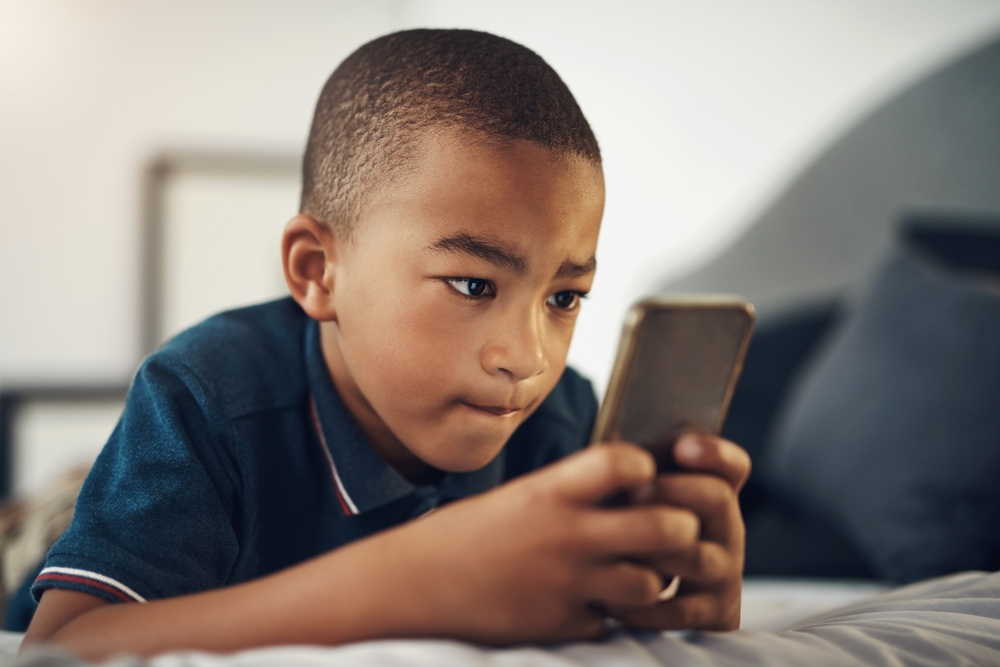
Image source: shutterstock.com

You see your child sitting on the sofa. They scroll through a phone and laugh at videos. You likely think they are simply decompressing after a long school day. In 2026, this looks like a normal social habit for any kid. However, school counselors now sound a desperate alarm about the reality behind that screen. This constant, passive consumption of peer lifestyles creates a quiet crisis of comparison. It fuels anxiety at historically high levels. The issue involves more than just time spent online. It centers on the emotional labor of measuring a real life against a curated, digital fantasy. You are about to discover why this normal habit breaks your child’s peace of mind.

The Comparison Trap of the Curated Life

The human brain never evolved to process the highlight reels of hundreds of people simultaneously. Counselors see children who suffer from emotional exhaustion. These kids constantly perform for an invisible audience. Even when they do not post, they observe. They judge their own messy bedrooms and lunches against the filtered versions they see online. This creates a comparison trap. Your child feels like they are failing simply because their reality lacks a ring light. What looks like relaxation actually functions as a high-stress cognitive task that never ends.

Surprisingly, this anxiety often manifests as physical symptoms. Watch for stomach aches, headaches, or a sudden drop in motivation. On the other hand, kids become masters at masking this distress. They hide their feelings to avoid losing their devices. They fear social disconnection more than the anxiety itself. Research from organizations like the American Academy of Pediatrics highlights how short-form video platforms accelerate these comparison cycles. This hidden system of social pressure operates 24/7 without an adult to moderate it.

The Erosion of True Mental Rest

True mental rest requires a complete break from social evaluation. Unfortunately, the habit of checking phones during every spare second eliminates that rest. Every time your child opens an app, they face a barrage of expectations. They see peers who already started college applications. They see friends on trips they missed. This digital influence prevents the brain from entering a restorative state. According to the Child Mind Institute, the brain needs downtime to process the day’s learning. Instead, the child remains in a state of emotional overload. Even minor setbacks then feel like catastrophic failures.

Counselors recommend that parents look for specific shifts in behavior. Healthy digital balance has likely vanished if your child becomes increasingly irritable after phone use. It is a major warning sign if they stop engaging in real-world hobbies. The solution requires more than just a digital detox. You must encourage an active re-engagement with analog activities. Sports, family meals, or clubs provide the authentic connection that screens cannot replicate. By creating phone-free zones, you give your child’s nervous system permission to power down and recover.

Reclaiming the Real World for Your Child

You serve as the primary gatekeeper of your child’s emotional environment. This means you must challenge what the world currently considers normal. By introducing specific guidelines and modeling healthy tech habits, you offer your child a way out of the anxiety loop. Do not feel guilty for setting boundaries that other parents ignore. You are protecting a critical stage of your child’s development. Aim to move from a life mediated through a screen to one experienced in person. You have the power to help your child thrive by making the real world safer and more interesting than the digital one.

Have you noticed your child’s mood change after they spend too much time on social media? Leave a comment below and share your strategies for helping them disconnect.

What to Read Next…

The post Counselors Say This ‘Normal’ Social Habit Is Fueling Anxiety in Kids — And Parents Are Missing It appeared first on Kids Ain't Cheap.

Sign up to read this article
Read news from 100’s of titles, curated specifically for you.
Already a member? Sign in here
Related Stories
Top stories on inkl right now
One subscription that gives you access to news from hundreds of sites
Already a member? Sign in here
Our Picks
Fourteen days free
Download the app
One app. One membership.
100+ trusted global sources.







