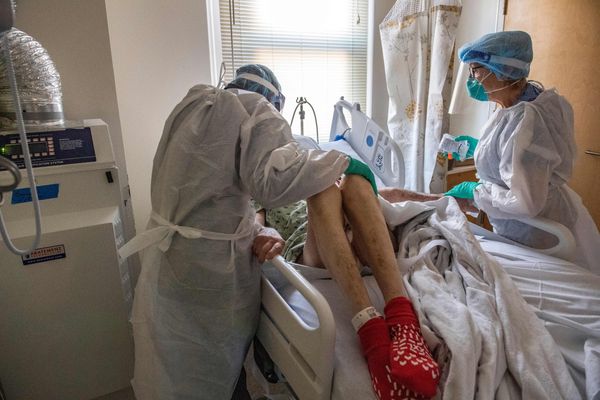
Researchers continue to study the long-term impact of COVID on patients, which occurs even after recovery from the initial infection. Along with knowing about the symptoms, tests are also necessary to measure the impact of long COVID on the patients' bodies.
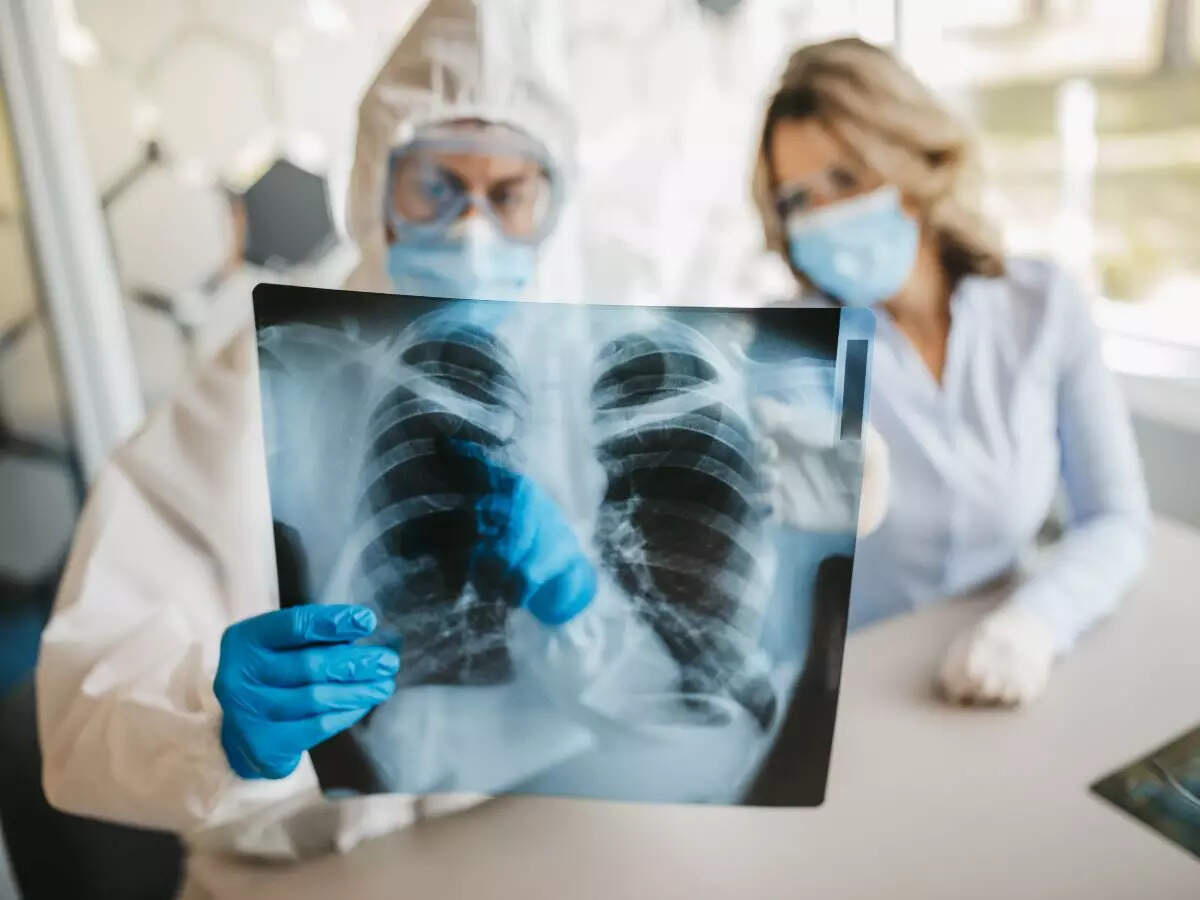
The two-dimensional scans are not enough to distinguish compromised lung function due to lingering respiratory symptoms from the Coronavirus. However, researchers at the University of Iowa have developed a new contrastive learning model.
As per the study, this model learns from composite 2D images constructed from 3D CT images. This helps to detect compromised lung function in those dealing with long COVID. This lung diagnostic information is then conveyed from a CT scan to a chest X-ray. This allows the chest X-ray equipment to detect abnormalities in the same way as would be detected through a CT scan. The findings of the study were published in the journal Frontiers in Physiology.
Ching-Long Lin, Edward M. Mielnik and Samuel R. Harding from the Department of Mechanical Engineering in the College of Engineering at Iowa, explained that the new element to the model takes information from 3D CT scans showing lung volume and transfers that information to a model that will show these same characteristics in the 2D images.
This development will enable clinicians to use chest X-rays to detect these outcomes, the researchers noted.
The research team collected data points in the CT lung scans at two intervals -- when the patient inhaled and when the patient exhaled.
The researchers noted that their models successfully identified decreased lung function from long COVID, compared to those who had not gotten Coronavirus.
Along with the new method, the study also demonstrated that long COVID patients can have primarily 2 types of lung injuries – small airway disease and lung parenchyma fibrosis (inflammation). These were found to be persistent even after the patients recovered from the initial COVID infection, noted Alejandro Comellas, a clinical professor of internal medicine-pulmonary, critical care, and occupational medicine.
(With inputs from IANS)