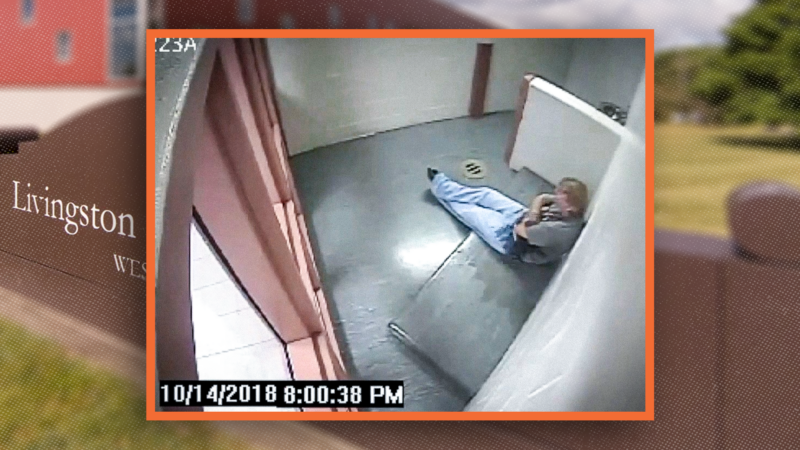
Imagine you're a sheriff's deputy and a detainee arrives, unresponsive and moving slowly after ingesting a large quantity of unknown pills. After a doctor clears him for jail, with a warning that any "deterioration" will require immediate medical care, the detainee is sent into a cell where he vomits profusely and remains unresponsive in the same position all night. Should you, as the deputy, call for help? And should you be legally held responsible if your inaction leads to the detainee's death?
Earlier this week, the 6th Circuit Court of Appeals ruled no, granting qualified immunity—the legal doctrine that protects police officers from federal civil rights lawsuits unless they violate a "clearly established" constitutional right—to all 11 Livingston County, Michigan, officers involved in the 2018 death of John Griswold. This ruling reversed a March 2025 decision by Judge Robert White of the U.S. District Court Eastern District of Michigan, who had denied immunity to seven officers and the county.