
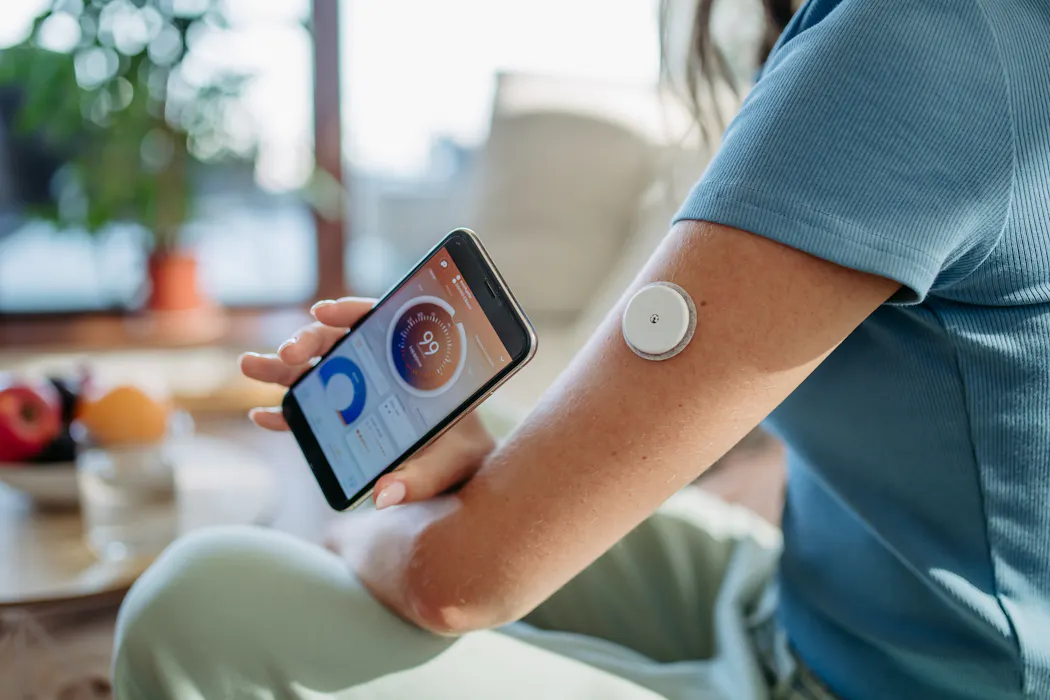
Continuous glucose monitors have transformed life for many people with type 1 diabetes. Instead of relying on finger-prick blood tests throughout the day, users can track their blood sugar levels almost continuously. This allows them to receive alerts via a smartphone when levels become too high or too low and spot patterns that help them better manage their condition.
But the latest research from my colleagues and I has uncovered a little-known blind spot. During the most extreme high and low blood sugar episodes, these devices cannot tell users exactly how severe those events are. While this limitation doesn’t affect the standard measures doctors use to assess diabetes management, it does mean that some important information is lost when blood sugar moves beyond the monitor’s measurement range.















