Friday is the 116th anniversary of the Persian Constitutional Revolution, the first democratic revolution in the Middle East. And the protest culture spawned by that revolution is alive and well in Iran today.
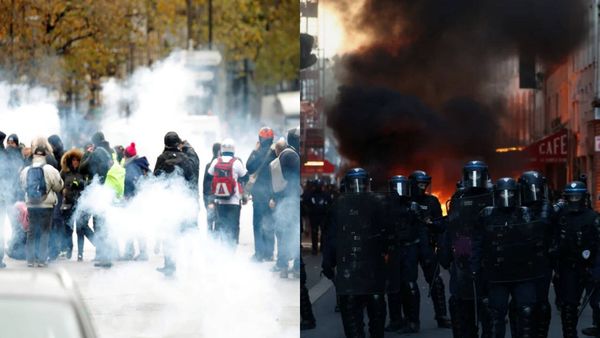
In recent months, Iranians have taken to the streets over President Ebrahim Raisi’s cuts to food subsidies, which have resulted in price hikes of as much as 300%. Small businesses in the country have temporarily shut down to declare their objection to a sudden jump in sales tax. Iranian women have risked arrest by publicly removing their hijabs, demonstrating against the government’s required Islamic dress code.
Actions like these have their roots in 1906, when, after years of boycotts, strikes and bloody street protests, a band of young Iranian revolutionaries forced the ailing monarch, Muzaffar ad-Din Shah, to sign the country’s first constitution, establishing the rule of law and severely limiting his unchecked powers. The Persian Constitutional Revolution was the first of its kind in any Muslim majority state. Its fundamental goal was to marry traditional Islamic principles with modern concepts such as individual rights and popular sovereignty.