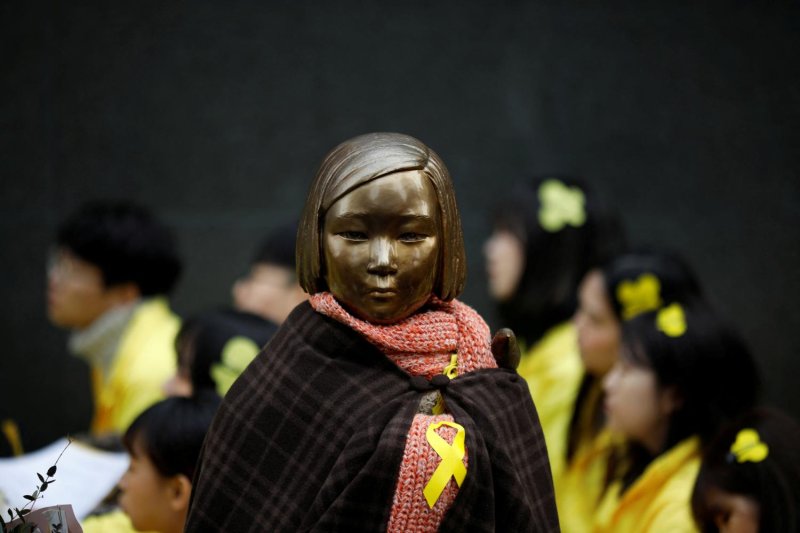
The removal of the comfort women issue from the finalised Senior High School curriculum of the Department of Education (DepEd) in the Philippines is more than a curricular revision. It signals a negation that diminishes public recognition of wartime sexual survivors and risks narrowing collective historical consciousness within the educational system. At stake is not only what is taught, but how the state determines which histories are legitimised, remembered and institutionalised in public memory.
In Southeast Asia's post-colonial societies like the Philippines, curriculum design has always been political. The deliberate omission of the comfort women issue reflects broader geopolitical and diplomatic priorities that shape educational content in ways that extend beyond pedagogy. As the Philippines maintains close security and development relations with Japan, uncomfortable histories of wartime atrocities risk being displaced within state-sanctioned narratives in order to preserve strategic partnerships.