Get all your news in one place.
100's of premium titles.
One app.
Start reading
Times Pets
Times Pets
Upasna Yadav

Color-Enhancing Diets for Ornamental Fish: Myth or Science?

Understanding Fish Coloration

Natural Fish Food Ingredients for Better Color
<p>A display of natural fish food sources such as spirulina, shrimp, and leafy vegetables that contribute to brighter coloration while also delivering essential vitamins and minerals.<u></u><span></span></p>

Fish colors are produced through specialized cells called chromatophores. These cells contain pigments such as carotenoids (reds, oranges, yellows), melanins (blacks, browns), and structural colors that reflect light (blues and iridescence). While genetics determine the potential for coloration, environmental factors—especially diet—play a crucial role in how vibrant these colors appear.

The Science Behind Color-Enhancing Diets

Color-enhancing fish foods are typically enriched with natural or synthetic pigments, particularly carotenoids like astaxanthin, beta-carotene, and lutein. Fish cannot synthesize these pigments on their own, so they must obtain them from their diet.

When consumed, these pigments accumulate in the fish’s skin and scales, intensifying their natural coloration. Scientific studies in aquaculture have confirmed that carotenoid-rich diets can significantly improve the brightness and saturation of fish colors, especially in species like goldfish, koi, and cichlids.

Natural Sources of Color Enhancement

Many natural foods contribute to better coloration in fish. These include:

  • Algae and spirulina
  • Shrimp and krill
  • Leafy vegetables (for herbivorous species)
  • Insect larvae and plankton

Such foods not only enhance color but also provide essential nutrients that support overall health.

Commercial Color-Enhancing Foods: Do They Work?

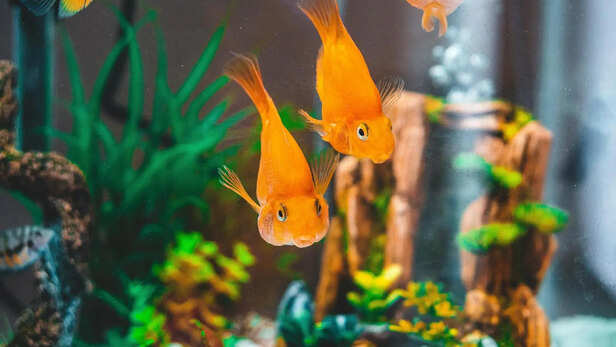
Aquarium Setup with Proper Lighting for Color Enhancement
<p>An aquarium equipped with balanced lighting that enhances the natural shimmer and brightness of ornamental fish, highlighting the importance of light in visual color perception.</p>

Commercial fish feeds labeled as “color-enhancing” are formulated with added pigments and balanced nutrition. When used properly, they can:

  • Boost red, orange, and yellow hues
  • Improve overall vitality
  • Enhance natural patterns

However, their effectiveness depends on consistency, species type, and overall tank conditions. Over-reliance on these foods without a balanced diet may lead to nutritional imbalances.

Myths vs Reality

Myth 1: Color-enhancing food can change a fish’s natural color

Reality: These diets cannot alter a fish’s genetic coloration. They only enhance existing pigments.

Myth 2: More pigment equals better results

Reality: Excessive supplementation can harm fish health and may lead to unnatural coloration.

Myth 3: Instant results are guaranteed

Reality: Color improvement takes time and depends on proper care, water quality, and stress levels.

Other Factors Affecting Fish Color

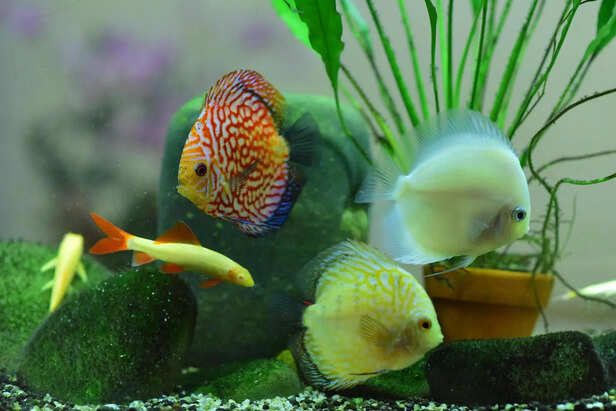
School of Tropical Fish with Bright Natural Colors
<p>A lively group of tropical fish displaying a range of vivid colors, reflecting a combination of genetic traits, high-quality diet, and a well-maintained aquatic environment.</p>

Diet is just one piece of the puzzle. Other important factors include:

  • Water quality: Poor conditions can dull colors
  • Lighting: Proper lighting enhances visual appearance
  • Stress levels: Stress reduces pigmentation
  • Health status: Sick fish often lose their brightness
  • Balancing Nutrition for Optimal Results
  • A well-rounded diet is essential for both color and health. Ideal feeding practices include:
  • Combining color-enhancing food with staple diets
  • Providing variety (live, frozen, and plant-based foods)
  • Avoiding overfeeding
  • Monitoring fish behavior and appearance

Celebrate the bond with your pets, explore Health & Nutrition, discover Breeds, master Training Tips, Behavior Decoder, and set out on exciting Travel Tails with Times Pets!

Frequently asked questions (FAQs)

  1. Are natural foods better than commercial color-enhancing feeds?

    Both have benefits. Natural foods provide holistic nutrition, while commercial feeds offer targeted pigmentation support.

  2. Can all fish benefit from color-enhancing diets?

    Most ornamental fish can benefit, but the effect is more noticeable in species with naturally bright colors.

  3. Is it safe to use color-enhancing food daily?

    Yes, if it is part of a balanced diet. However, it should not replace all other types of food.

  4. Why are my fish losing color despite a good diet?

    This could be due to stress, poor water quality, illness, or inadequate lighting rather than diet alone.

Sign up to read this article
Read news from 100's of titles, curated specifically for you.
Already a member? Sign in here
Related Stories
Top stories on inkl right now
One subscription that gives you access to news from hundreds of sites
Already a member? Sign in here
Our Picks
Fourteen days free
Download the app
One app. One membership.
100+ trusted global sources.