Get all your news in one place.
100's of premium titles.
One app.
Start reading
The Economic Times
The Economic Times

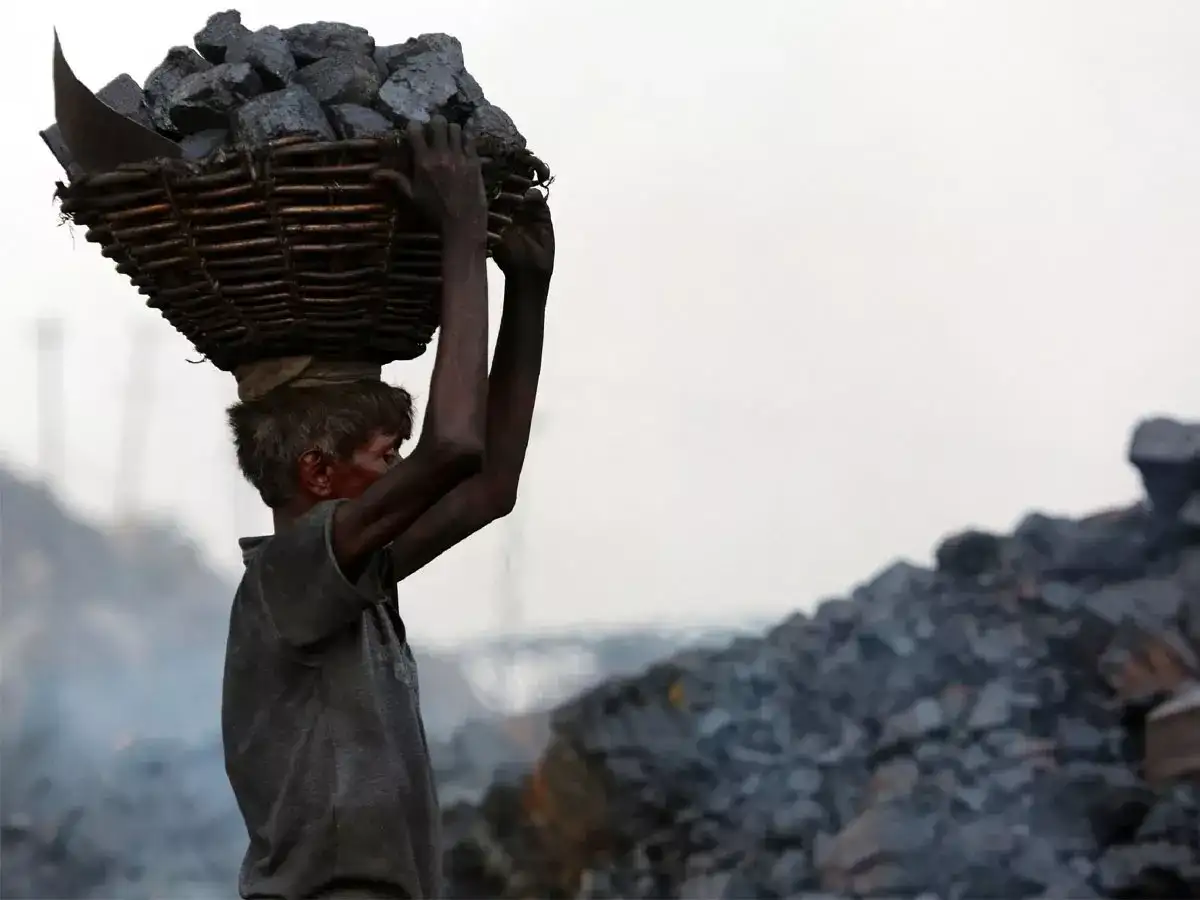
Coal gasification key to build long-term resilience against global energy shocks: Experts

New Delhi: Developing a robust domestic coal gasification ecosystem is crucial for India to build long-term resilience against global energy shocks and achieve economic self-reliance under Atmanirbhar Bharat, experts said on Tuesday.

Coal gasification refers to the process of converting dry fuel into synthetic gas (syngas), which is used as an alternative fuel and helps reduce carbon emissions.

Also Read: CIL's April coal auction quantity drops 6% vs March to 30.5 MT

The suggestion came after Prime Minister Narendra Modi appealed to the people to save fuel and reduce the use of imported products to save foreign exchange reserves amid the global supply chain disruptions due to the West Asia war.

"Without developing a large domestic coal gasification ecosystem, India cannot build long-term resilience against global energy shocks. Coal gasification is not just an industrial opportunity, but a strategic imperative for achieving energy security, import substitution and true economic self-reliance under Atmanirbhar Bharat," said Balasaheb Darade, Founder and Managing Director of New Era Cleantech Solutions.

New Era Cleantech is a Maharashtra-based company which is developing a 5 MMTPA coal gasification project in Chandrapur.

Darade further said that coal gasification has the potential to become one of India's largest industrial and economic transformation opportunities over the next two decades.

"India currently imports products worth nearly Rs 2.77 lakh crore annually, including LNG, LPG, methanol, ammonia, urea, coking coal and chemical feedstocks, many of which can be produced domestically through coal gasification," he said.

Also Read: Coal India plans 10-year roadmap to slash 243 MT coal imports

China, which operates nearly 350 million tonnes of coal gasification capacity and faces energy import vulnerabilities similar to India, demonstrated the strategic importance of this sector during the West Asia crisis.

While several countries faced LNG shortages, fertilizer supply disruptions, price spikes and force majeure risks, China's large domestic coal-to-chemicals ecosystem acted as a strategic shield, helping maintain supply stability and reducing dependence on volatile global markets, he said.

According to Kapil Bansal, Partner, EY- Parthenon, LNG shortages, fertilizer supply disruptions and force majeure risks have exposed the vulnerability of import-dependent economies like India.

However, coal gasification offers a strategic pathway to strengthen India's energy security, fertilizer resilience and industrial stability by enabling domestic production of critical fuels and chemical feedstocks currently linked to volatile global markets, he said.

India's push towards coal gasification is not merely an industrial policy decision; it is a strategic national safeguard for the future. At a time when India imports nearly 89 per cent of its crude oil requirements, reducing external energy dependence has become critical for long-term economic resilience, said Pavan Kaushik, corporate advisor for sectors like mining, metals and infrastructure and co-founder of Gurukshetra Consultancy.

The government's target of achieving 100 million tonnes of coal gasification by 2030 reflects a clear vision to strengthen energy security, support domestic manufacturing, and reduce pressure on foreign exchange reserves.

Most importantly, citizens today increasingly understand that nation-building measures must be evaluated through long-term strategic outcomes rather than temporary short-term gains or losses, he said.

"In today's geopolitical environment, no major economy can afford excessive dependence on external energy and industrial supply chains.

"Global conflicts, trade disruptions, and currency volatility have shown how strategic vulnerabilities can directly impact economic growth and national stability," he said.

India's push towards coal gasification reflects a long-term vision to build economic resilience by utilising domestic resources for critical sectors such as energy, fertilizers, petrochemicals, and manufacturing.

This is not about short-term optics; it is about preparing India to remain economically strong, strategically independent, and globally competitive for the next several decades, Kaushik added.

Sign up to read this article
Read news from 100's of titles, curated specifically for you.
Already a member? Sign in here
Related Stories
Top stories on inkl right now
One subscription that gives you access to news from hundreds of sites
Already a member? Sign in here
Our Picks
Fourteen days free
Download the app
One app. One membership.
100+ trusted global sources.