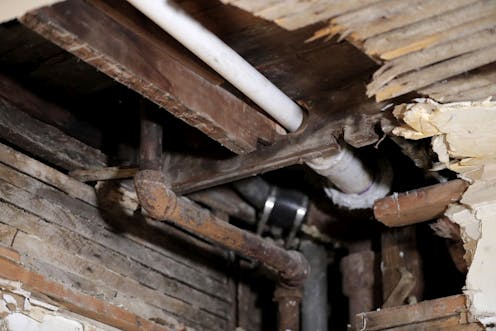
Recruiting participants for a citizen science project produced a more diverse group when people were signed up through partner organizations, such as schools and faith-based organizations, than when they joined on their own. We used this approach to recruit volunteers for Crowd the Tap, a citizen science initiative that crowdsources the locations of lead plumbing in homes.
We signed up 2,519 households through partner organizations, in addition to 497 households that signed up on their own. We recruited households from all 50 states, though the majority came from North Carolina. Our project was initially funded by the Environmental Protection Agency, which led to nationwide sampling, but additional funding from the North Carolina Water Resources Research Institute led to prioritizing sampling in North Carolina.