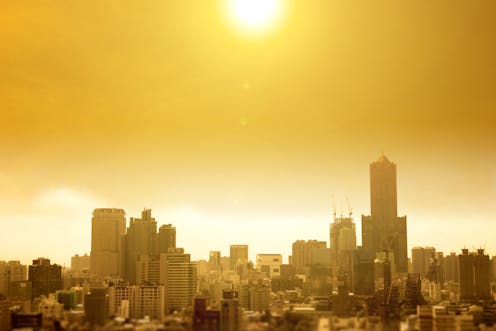
In late June 2021, North America’s most severe heat wave in history hit British Columbia and the U.S. Pacific Northwest. In many areas, temperatures soared above 40 C, 15 C hotter than the normal average high. Although other places in North America regularly hit these highs, the extreme contrast to “normal” is what exposes acute infrastructure, economic, environmental and social vulnerabilities.
Heat waves silently roll in with only a shimmer of visible evidence, but leave a wake of mortality greater than floods, wildfires or hurricanes. By mid-July, this one had caused 1,400 deaths. Emergency rooms across the Pacific Northwest were overwhelmed with visits 100 times greater than normal. Lytton, B.C. — where temperatures soared to 49.6 C — was largely vaporized by a wildfire that scorched the town in 30 minutes.