
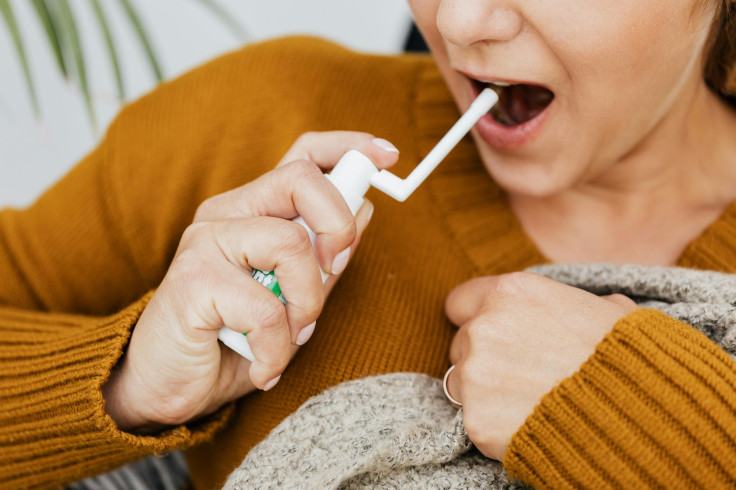
Dry mouth causes extend far beyond temporary thirst, especially when symptoms persist throughout the day. Many adults experience xerostomia due to salivary gland dysfunction, while dehydration symptoms such as sticky tongue, cracked lips, and thickened saliva frequently affect older adults—especially those over 65, where prevalence reaches nearly 30%. These effects reduce oral comfort, worsen speech, and contribute to dental problems. Without enough saliva, the mouth becomes more vulnerable to infections and enamel erosion.
Chronic xerostomia often indicates deeper systemic issues that need medical evaluation. Medication side effects, autoimmune diseases, and uncontrolled diabetes are among the most common culprits. Because reduced saliva increases the risk of cavities up to fourfold and encourages fungal infections like oral thrush, addressing the underlying condition promptly is essential. Persistent dryness is rarely random and often reflects important changes in overall health.













