
Get all your news in one place.
100’s of premium titles.
One app.
Start reading
Tom’s Hardware
Tom’s Hardware
Technology
Mark Tyson

Chinese semiconductor outfit has Linux MPP repository on Github disabled after a DMCA takedown request — FFmpeg team accuses it of using libavcodec code without attribution

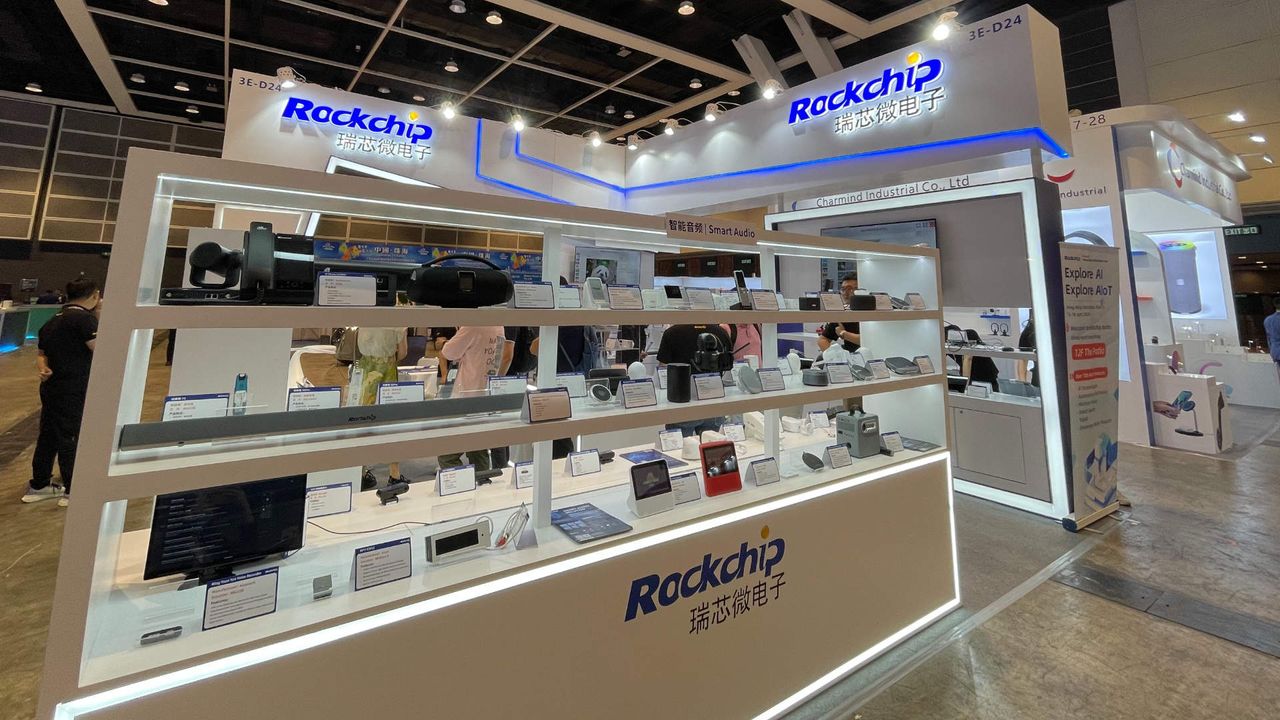
Rockchip showing its wares.

Leading Chinese fabless semiconductor company Rockchip has had one of its major software repositories taken down in response to a DMCA takedown notice. Specifically, its rockchip-linux / mpp repository on GitHub is currently inaccessible, after the FFmpeg team complained about Rockchip’s cavalier attitude concerning intellectual property ownership, attribution, and matters of copyright infringement. Rockchip uses this code to accelerate video de/coding on its popular SoCs. If the situation isn’t remedied, it could have broad implications for users of Linux multimedia stacks, SBC communities, Android builds, and more.

FFmpeg’s complaint

FFmpeg shares its multimedia processing toolkit under the LGPL-license, and it alleges that Rockchip has infringed its copyrighted work on the libavcodec library, which contains numerous audio and video parsers and decoders for various formats.

You might assume that this is free and open source software, so little harm has been done. However, Rockchip’s Linux MPP (Media Processing Platform) code on GitHub has wholesale copied swathes of FFmpeg code, removed any attribution, and re-licensed it under Apache, which is incompatible with FFmpeg’s LGPL license. LGPL requires the original license and attribution to be preserved. Moreover, Apache adds patent clauses that LGPLv2.1 does not permit.

Rockchip dragged its feet for years

FFmpeg appears to have been quite patient in trying to converse with Rockchip devs to iron out issues ahead of this takedown. There is evidence of chats between FFmpeg and Rockchip devs taking place on Twitter/X and GitHub since early 2024, as a video from Brodie Robertson shows (h/t Hackaday).

In this chat history, we see a Rockchip dev admitting to copying the FFmpeg code in the manner they did “due to lack of understanding” about LGPL and Apache licensing conflicts.

Also in 2024, the Chinese company grumbled about being busy, but pledged fixes would come. However, the last archived response from a Rockchip dev, from last November, stated that “there are too many chips to verify and suspend…” which reduced any hope of a friendly settlement, provoking action.

What now?

FFmpeg has faced some criticism for this DMCA takedown, which GitHub has honored. However, remember that its code has been copied and re-licensed with new authorship claimed, despite large sections of code being identical and preserving original FFmpeg dev comments.

(Image credit: Future)

A proposed remedy to the situation, from FFmpeg, is as follows: “remove false authorship claims; restore original attribution and copyright notices; distribute the code under an LGPL-compatible license (e.g., LGPL itself, GPL, AGPL, etc.).” The nuclear option of “remove all infringing files” is also available, as is a choice to rewrite all the code without leaning on FFmpeg sources.

If the DMCA isn’t resolved, it isn’t just an annoyance for Rockchip. Linux, Android, and SBC devs, reliant on Rockchip’s MPP for hardware-accelerated video playback, might have to fall back to doing this processing in software (with multiple negative impacts). If the downstream developers continue to use MPP, they risk losing trust, losing OS support, and facing legal risks.

Follow Tom's Hardware on Google News, or add us as a preferred source, to get our latest news, analysis, & reviews in your feeds.

Sign up to read this article
Read news from 100’s of titles, curated specifically for you.
Already a member? Sign in here
Related Stories
Top stories on inkl right now
Our Picks
Fourteen days free
Download the app
One app. One membership.
100+ trusted global sources.