Get all your news in one place.
100's of premium titles.
One app.
Start reading
The Economic Times
The Economic Times
Team Global

China's rivers and lakes defied a global oxygen crisis across 17 years, and nearly 1,300 sites, and the surprise is that it had nothing to do with slowing down climate change

Think of dissolved oxygen as freshwater's invisible lifeline. It keeps fish alive, cycles nutrients, and holds the whole aquatic food chain together. When the oxygen levels in a body of water get too low, it becomes hypoxic. When oxygen is completely absent, it is called anoxic: fish suffocate, toxic metals leach from sediments, and greenhouse gases such as methane begin to bubble up into the atmosphere.

Scientists who study rivers and lakes throughout the United States and Europe have documented and well established those declines for years. In the study ‘Widespread deoxygenation in warming rivers’ published in Nature Climate Change, Wei Zhi, Christoph Klingler, Jiangtao Liu, and Li Li reconstructed dissolved oxygen levels in 580 rivers across the United States and 216 rivers in Central Europe with deep learning models.

Lakes have not fared better. A study of temperate lakes published in Nature in 2021 by Stephen F. Jane and colleagues, titled ‘Widespread deoxygenation of temperate lakes,’ reported widespread declines in dissolved oxygen concentrations in both surface and deep waters, caused by lower solubility at warmer surface temperatures and increased thermal stratification at depth.

Against that backdrop, results from China are turning heads.

What researchers found across nearly 1,300 sites

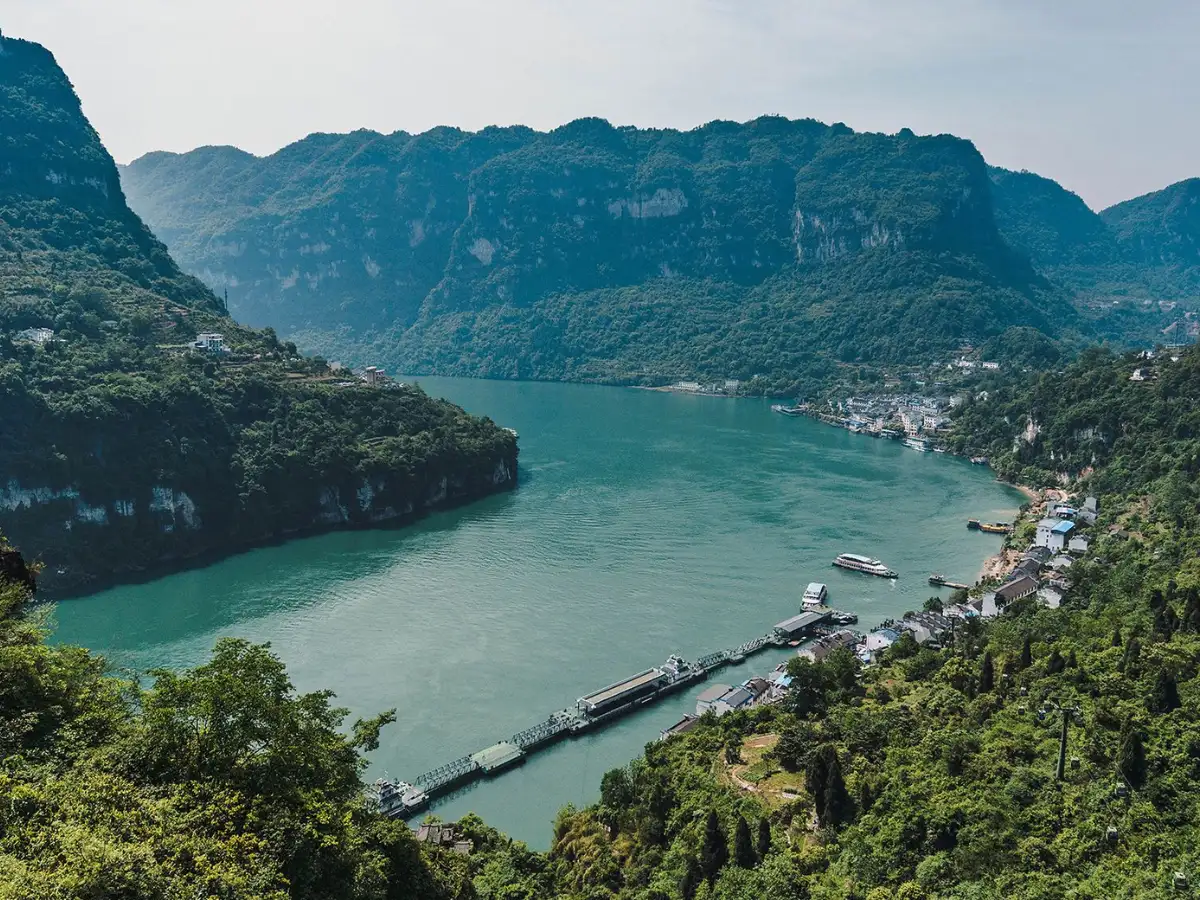
In June 2026, Nature Geoscience published a study titled ‘Widespread deoxygenation of freshwater ecosystems regularly reversed by nutrient management’ by Yongqiang Zhou of the Chinese Academy of Sciences and colleagues that tracked dissolved oxygen levels at 972 river sites and 354 lake sites across China from January 2005 to December 2022. Surface water temperatures were increasing at 1.2°C per decade, a rate that would normally drive oxygen out of water, but the results were the opposite. According to Courthouse News Service's reporting on the study, dissolved oxygen concentrations increased by an average of 12% per decade in rivers and 4.5% per decade in lakes, and oxygen saturation levels also improved significantly.

Sign up to read this article
Read news from 100's of titles, curated specifically for you.
Already a member? Sign in here
Related Stories
Top stories on inkl right now
One subscription that gives you access to news from hundreds of sites
Already a member? Sign in here
Our Picks
Fourteen days free
Download the app
One app. One membership.
100+ trusted global sources.