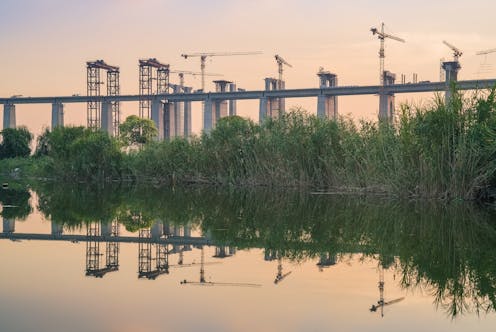
In 2017, the Chinese environmental NGO, Friends of Nature, sued the developer of a dam in Yunnan province in the country’s south west. The NGO alleged that the project’s environmental impact assessment had failed to fully capture how the dam would affect the surrounding rainforest, and particularly the endangered green peafowl that lives there. This weak assessment report was one reason why the project was granted consent and even highlighted as best practice by the local government.
In 2020 a court in Yunnan ordered a halt to construction of the dam, but the discussion around the case did not end. This was not an isolated issue related to one local government’s hasty approval of a project with a flawed environmental impact assessment. Instead, it revealed systemic challenges for China’s ecological compensation system in which developers often get to assess their own environmental impacts.