Get all your news in one place.
100’s of premium titles.
One app.
Start reading
The Times of India
The Times of India
National
Mohua Das | TNN

Child artistes denied rights, are victims of unfair practices: Study

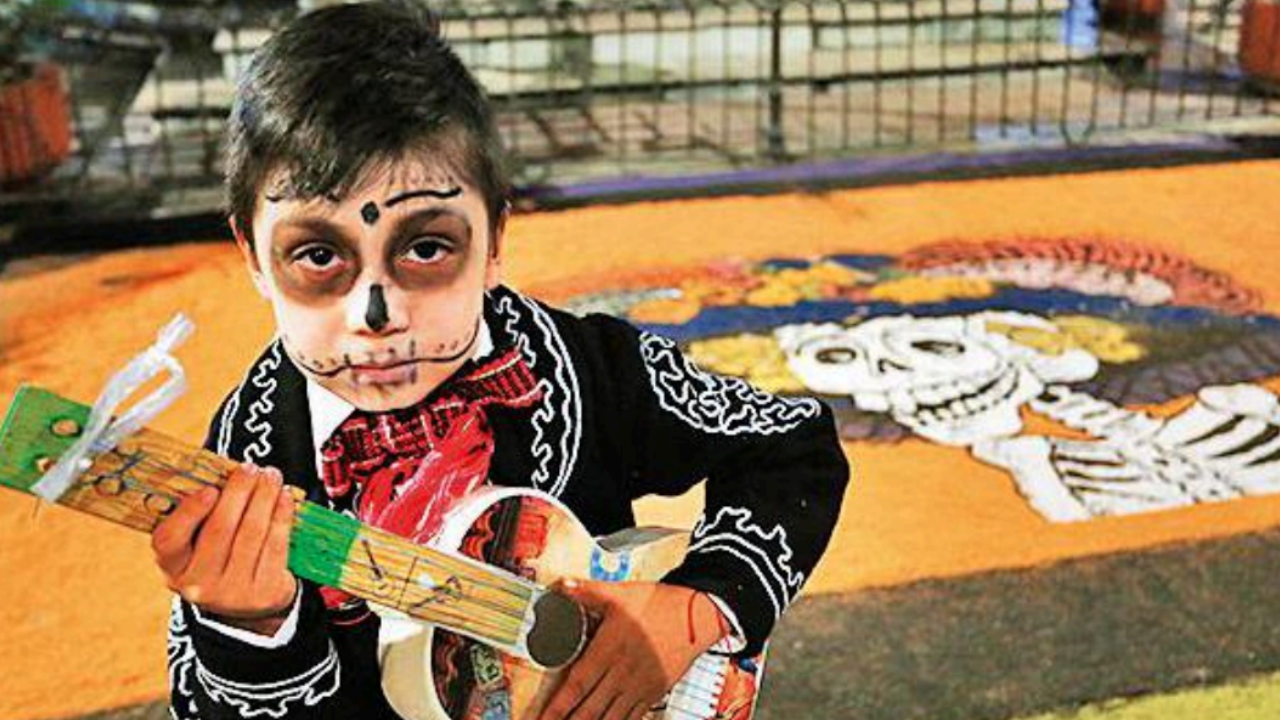
MUMBAI: Four years ago, and six decades after the trauma, India's best known child actor Daisy Irani had confronted her pain and opened up about being beaten and sexually abused while she was working multiple shifts to star in over 50 films. What had prompted her to break her silence is the large number of children working in television, films and talent shows, hoping that her cautionary tale would serve as a wakeup call for parents and the entertainment industry to keep children under arc lights from harm.

However, a study released last month by Child Rights and You (CRY) - 'Child artistes in India, an exploratory study in Mumbai' - revealed several worrying trends that continue to define the strange, and sometimes disturbing, lives of child actors. The sample survey of former child artistes, parents, casting agencies, directors, producers, guilds and acting academies found several instances of infringement of child rights and consent where most children have little or no say.

The recent success of child-centric content in films, television and now OTT has elevated child actors from supporting roles to central figures who often drive entire plots and also the earnings. But the star kid phenomenon is often a double-edged sword.

As the number of child artistes in film and television industries continues to expand, child rights organisations are increasingly concerned about their rights and the impact of such work on their development. While there's limited statistics available on the specific number of child artistes in India, data collected from seven casting agencies across India show that out of the 41,392 artiste profiles registered with them, 24.9% were child actors under 15.

Sleep perhaps is the first casualty in the hectic glitzy life these kids have been thrust into. Although the 2016 amendment to the Child and Adolescent Labour Prohibition and Regulation Act, 1986 (CLPR) - the child labour law that makes an exception for child artistes working in audio-visual entertainment - limits their working hours to not more than six hours in one day, standard television contracts mandate 12-hour working shifts that often stretch to 14 for six days in a week.

"If the child is the protagonist of the film, she/he is required to shoot for 25 days out of the 30-day shoot schedule," read the report. While contracts drawn between parents and producers have clauses that do not allow the parent or the child to refuse, many of the parents, too, when spoken to did not have reservations about letting their children work overtime.

Money makes the issue inherently more complicated. Earnings of these kids - 20% of which is meant to be put in fixed deposit in a nationalised bank and to be credited after they reach adulthood - is often utilised completely by their family instead.

The Cine & TV Artistes' Association (CINTAA), an actors' body, cited several cases where parents had discontinued formal education of their child after they had entered the industry.

According to CINTAA, many times, some of these children's earnings are the only source of income for the entire family, resulting in added pressure on the child to continue despite reluctance. "Sometimes these child artistes are the sole breadwinners of their families which increases their vulnerability," said the findings.

CINTAA had also witnessed inappropriate practices while shooting with children - pinching to make their cry more "realistic" or being given painkillers after a grave injury - to ensure they put in their best. While medical services are readily available on the sets, a child's mental health struggles are overlooked. The draft guidelines published by the National Commission for Protection of Child Rights (NCPCR) last month further corroborated the "absence of any monitoring mechanism and their grave risk of exploitation" because they lack the legal right to their earnings or safe working conditions. To safeguard children from physical and psychological stress, the new draft guidelines therefore come as a necessary intervention.

Apart from safeguards related to inappropriate role or content, production environment, exposure to ridicule or harsh behaviour, working hours limited to six hours and 27 consecutive days, producers will now have to seek permission from the District Magistrate where the child will be shooting and furnish the consent of parents as well as name of the individual from the production house who will be responsible for the child's security.

Kreeanne Rabadi, Regional Director, CRY (West) argued that child artistes were often the invisible victims of child labour.

Sign up to read this article
Read news from 100’s of titles, curated specifically for you.
Already a member? Sign in here
Related Stories
Top stories on inkl right now
One subscription that gives you access to news from hundreds of sites
Already a member? Sign in here
Our Picks
Fourteen days free
Download the app
One app. One membership.
100+ trusted global sources.