Get all your news in one place.
100's of premium titles.
One app.
Start reading
The Conversation
The Conversation
Germán Orizaola, Profesor Titular de Zoología / Associate Professor of Zoology, Universidad de Oviedo

Chernobyl’s exclusion zone is a beacon of biodiversity – but it faces new threats from Russia’s invasion

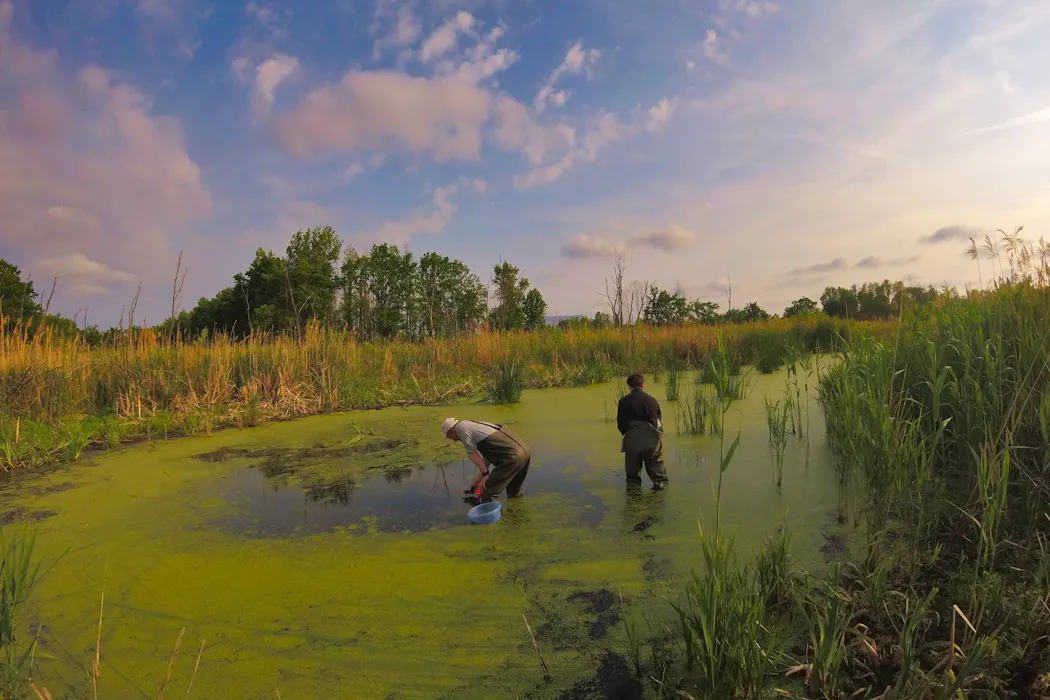
Fieldwork in the Chernobyl exclusion zone in Ukraine, May 2019. Germán Orizaola (Universidad de Oviedo), CC BY

April 26 marks the 40th anniversary of the explosion at Reactor 4 of the Chernobyl nuclear power plant in Ukraine. The accident caused the largest ever release of radioactive material into the environment, and at the time people predicted that the affected area would be rendered uninhabitable, devoid of life for thousands of years. But the reality is quite different

Four decades after the accident, Chernobyl has become one of Europe’s largest nature reserves. Covering an area of over 4,500 km², it is larger than almost any other national park on the continent. With next to no human activity at all, the land has been left entirely to nature.

Sign up to read this article
Read news from 100's of titles, curated specifically for you.
Already a member? Sign in here
Related Stories
Top stories on inkl right now
One subscription that gives you access to news from hundreds of sites
Already a member? Sign in here
Our Picks
Fourteen days free
Download the app
One app. One membership.
100+ trusted global sources.