
The daily ticker tape for the energy market is enough to give any investor a case of whiplash. One moment, oil futures are surging on fears of a widening conflict in the Middle East; the next, they are pulling back on the faintest whisper of a diplomatic solution. This extreme volatility, where the price of a paper barrel is driven by algorithmic trading and headline sensitivity, creates a confusing picture for anyone trying to make sound investment decisions.
Yet, beyond the noise of speculative trading, a different and more telling story is unfolding on the high seas. In the physical world of massive steel-hulled tankers and complex logistics, the market is not volatile; it is constrained. The tangible friction in the global energy supply chain is real, costly, and getting worse. For investors who can look past daily digital fluctuations, this disconnect between speculation and physical reality reveals a compelling opportunity in a select group of resilient energy companies.

The Real Price of Passage
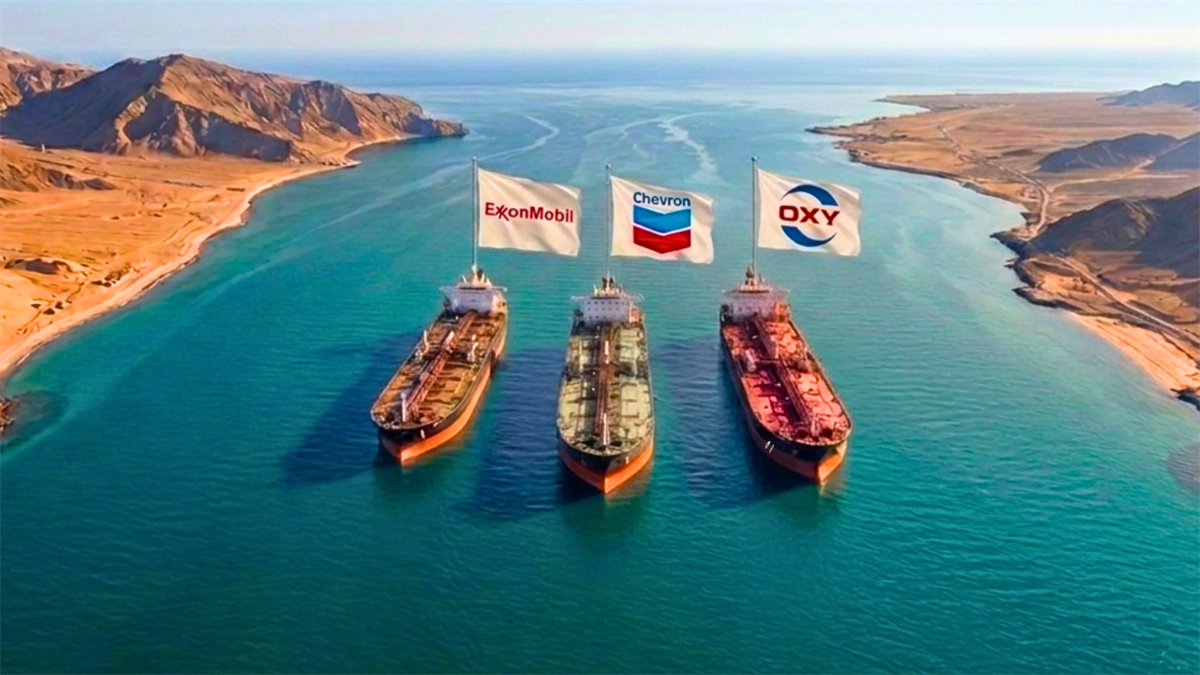
The Strait of Hormuz is the world’s most important energy chokepoint. Approximately 20% of global oil consumption passes through this narrow waterway, making its security fundamental to market stability. With recent geopolitical events, tanker traffic has slowed to a crawl as shipowners weigh the immense risks. This disruption, however, goes far beyond a simple delay and has significant financial ripple effects.
The most powerful evidence of this physical market squeeze comes from the insurance industry. Commercial rates for tankers transiting the region have become so prohibitively expensive that the U.S. government has stepped in to offer political risk insurance. This is an undeniable signal that the logistical costs of moving oil have fundamentally increased. Every vessel that is delayed, rerouted, or forced to pay higher premiums adds to the final cost of energy.
This sustained friction creates a geopolitical premium that is now embedded in the price of every barrel of oil. It establishes a supportive price floor that is detached from the day-to-day news cycle. This environment directly benefits producers with the scale and geographic diversity to navigate the chaos. It shifts the advantage to companies that can reliably deliver energy from stable regions, rewarding their operational strength with higher sustained profitability and stronger stock valuations.
How Global Giants Thrive in Chaos
In an environment defined by logistical uncertainty, scale is not just an advantage; it is a defensive moat. Integrated supermajors, with their vast global footprint spanning from the wellhead to the gas pump, are uniquely equipped to thrive.
Exxon Mobil: The Power of a Pristine Balance Sheet
Exxon Mobil (NYSE: XOM) operates as a financial fortress in the energy sector. It possesses the size and strength not just to withstand market turbulence, but to capitalize on it. This strength is built on several key pillars:
- Financial Fortitude: With a market capitalization exceeding $620 billion and a remarkably low debt-to-equity ratio (D/E) of just 0.13, the company has the firepower to absorb shocks and fund projects without financial strain.
- Geographic Insulation: A significant portion of its production growth comes from assets like its massive operations in the U.S. Permian Basin and offshore Guyana, which are completely insulated from conflicts in the Middle East.
- Shareholder Reliability: This operational strength translates directly into investor returns. The company's 42-year history of consecutive dividend increases is a testament to its all-weather reliability.
Chevron: Disciplined Operations, Wall Street Confidence
Chevron (NYSE: CVX) showcases a similar strength, built on a foundation of disciplined capital allocation and operational excellence. Its status as a Dividend Aristocrat, with 38 straight years of dividend growth, underscores a deep-seated commitment to shareholder value.
While the company is navigating the temporary shutdown of its Leviathan gas field in the Eastern Mediterranean, this localized issue highlights the very benefit of its global diversification; the financial impact is manageable for a company of its scale. This resilience is not going unnoticed.
Despite the regional headwinds, major Wall Street institutions have been raising their price targets on Chevron stock, signaling strong confidence from sophisticated investors in the company's ability to successfully navigate the current environment.
Occidental: Why This Producer Is Just Built Different
While the integrated giants offer stability, some investors may seek more direct exposure to rising crude prices. Occidental Petroleum (NYSE: OXY), as a company more focused on exploration and production, provides exactly that.
Its stock, which has already gained around 30% this year, often demonstrates greater torque during oil price rallies.
Normally, this focused model would imply higher risk, but two powerful and unique factors have fundamentally de-risked the investment case for Occidental.
- The Strategic Reset: The recent sale of its chemical division was a decisive move to fortify its financial foundation. For an investor, a stronger balance sheet means the company is less vulnerable to commodity price swings and has more free cash flow to allocate to shareholder returns, such as dividends and buybacks.
- The Buffett Backstop: The most compelling factor is the 29% ownership stake held by Warren Buffett's Berkshire Hathaway (NYSE: BRK.A). This is far more than a simple institutional investment; it is one of the world's most respected investors making a profound, high-conviction bet on Occidental's asset quality and long-term value. This Buffett Backstop provides a powerful foundation of confidence for all shareholders.
Finding Clarity in the Chaos
The daily headlines will continue to drive volatility in the oil sector, but the underlying fundamentals of the physical market tell a clearer, more stable story. The sustained logistical friction in the world’s most critical energy corridor is not just a temporary problem; it has created a durable tailwind for producers that transcends the day-to-day noise.
This environment inherently rewards companies with the scale to manage global complexity, the financial strength to weather uncertainty, and the strategic clarity to execute their plans. The distinct profiles of ExxonMobil, Chevron, and Occidental Petroleum represent different but compelling ways to gain exposure to this new market reality. The current landscape suggests that for investors seeking to position their portfolios for sustained geopolitical uncertainty, the resilience and strategic advantages offered by these energy leaders warrant careful consideration.
Where Should You Invest $1,000 Right Now?
Before you make your next trade, you'll want to hear this.
MarketBeat keeps track of Wall Street's top-rated and best performing research analysts and the stocks they recommend to their clients on a daily basis.
Our team has identified the five stocks that top analysts are quietly whispering to their clients to buy now before the broader market catches on... and none of the big name stocks were on the list.
They believe these five stocks are the five best companies for investors to buy now...
The article "Chaos & Crude: 3 Energy Stocks Built to Thrive in This Market" first appeared on MarketBeat.







