The Centers for Disease Control and Prevention has combined its Influenza Division and its Coronavirus and Other Respiratory Diseases Division into a single unit, the Influenza and Respiratory Viruses Division. A notice published in the Federal Register on Sept. 9 says the Secretary of Health and Human Services approved the change on Aug. 18 and that it took effect Sept. 4.
The timing matters because the new division takes over federal work that shapes each respiratory season just as this one approaches. It tracks which viruses are spreading, characterizes new strains, supports state and local health departments, and informs vaccine and treatment decisions. For families, those functions sit behind the weekly flu and COVID data, the strain choices in each year's flu shot, and the alerts that tell clinicians what to watch for.

There is no evidence so far that the reorganization will change what households experience this fall, and the agency describes the goal as efficiency and preparedness. But the merger arrives as national doctor groups have issued their own fall vaccine advice to fill what they describe as a gap in federal guidance. That gives parents, older adults, and caregivers more reason to follow official updates closely.
Five Branches Now Cover Flu, COVID, and Emerging Viruses
According to the notice, the division works to prevent disease, disability, and death from seasonal, epidemic, and pandemic respiratory viruses. Its duties include monitoring infection and disease patterns; running surveillance with state, local, and international partners; identifying viruses to improve tests, vaccines, and treatments; and designing prevention strategies that range from vaccination to non-drug measures.
The work is split across five branches. A virology and laboratory surveillance branch characterizes human and animal viruses, including novel viruses with pandemic potential. It also gives expert guidance on vaccine virus selection, develops candidate vaccine viruses, and trains outside laboratories. A detection and immunology branch studies immunity to respiratory viruses and supports labs responding to outbreaks and clusters.
A surveillance, epidemiology, and modeling branch runs national surveillance and forecasting and gives technical support to state and local health departments. A public health interventions branch evaluates vaccines, treatments, and other prevention tools and helps develop public guidance. An emerging threats branch supports global surveillance and rapid detection of new respiratory viruses outside the United States.
State and local health departments, which rely on federal technical help and laboratory support, are among the first groups likely to feel any change, whether it improves coordination or slows it during the transition. In practical terms, these teams produce the information that helps show when a flu season has started, which strains a vaccine should target, and when hospitals should expect a surge.
Supporters See Efficiency While Others Question the Timing
CDC spokesperson Belsie González told CIDRAP News that the change is meant to strengthen operational efficiency, pandemic preparedness, and laboratory capabilities while streamlining coordination with other agencies and jurisdictions. "There are no planned reductions in staff with this reorganization," she said.
CIDRAP reported that the merger had been planned since the Biden administration. Jennifer Layden, who led the CDC's data office until August 2025 and is now at Washington University, told the outlet that COVID has shifted to a more cyclical pattern like other respiratory viruses. She said coordinated surveillance across viruses can reduce the inefficiency of siloed systems and that most Americans are unlikely to notice a difference.
Not everyone agrees on the timing. Demetre Daskalakis, the former director of the CDC center that houses the division, told STAT that the timing is not ideal with respiratory season approaching, CIDRAP reported. That concern is about transition risk during a busy period, not evidence that any surveillance system has failed.
Several details remain unknown. The notice does not name the division's leader, describe its budget, or say whether any reporting schedules will change.
Fall Vaccine Advice Now Comes from Several Sources
The reorganization lands in an unsettled season for vaccine advice. On Sept. 2, four national doctor groups released coordinated fall vaccine recommendations for COVID-19, flu, and RSV: the American Academy of Family Physicians, the American Academy of Pediatrics, the American College of Obstetricians and Gynecologists, and the Infectious Diseases Society of America. Fierce Healthcare reported that the groups acted to fill a gap left by the federal government, and MedicalDaily previously covered the recommendations.
Their advice includes annual flu vaccination starting at 6 months of age. For COVID-19, it covers all children 6 to 23 months, higher-risk children 2 to 18, and a second dose six months after the first for adults 65 and older and people with weakened immune systems. For RSV, the groups support a one-time vaccine for adults 75 and older and for those 50 to 74 at increased risk, vaccination at 32 to 36 weeks of pregnancy from September through March, and long-acting antibodies for infants younger than 8 months who lack protection from their mothers.
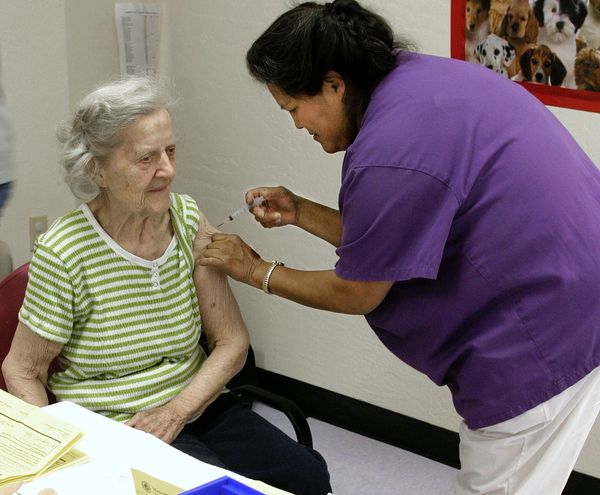
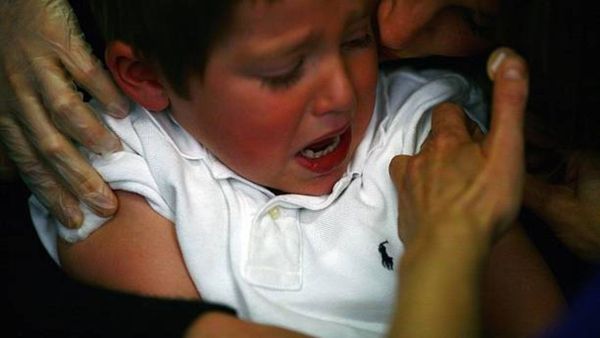
For households, the takeaway is that the merger does not change current vaccine availability. Flu shots remain available at pharmacies and clinics, and people should check with their health plan about coverage for updated COVID-19 vaccines before booking.
Signals Families Can Track This Fall
Over the next several weeks, the clearest sign of how the new division is performing will be whether routine federal data keep arriving on schedule. Weekly respiratory virus updates, flu strain reports, and state health department dashboards are the tools clinicians and families use to judge local risk.
The people most likely to become seriously ill from flu, COVID-19, or RSV include adults 65 and older, infants and young children, pregnant people, and people with weakened immune systems or chronic heart, lung, or kidney disease. Those households benefit most from timely vaccination and from knowing local activity levels.
Most respiratory infections cause fever, cough, sore throat, congestion, and fatigue, and many can be managed at home with rest and fluids. Antiviral medicines for flu and COVID-19 work best when started early, so higher-risk people should contact a clinician soon after symptoms begin.
Trouble breathing, chest pain, new confusion, bluish lips or face, signs of dehydration in a child, or symptoms that improve and then return or worsen call for urgent medical care. The division's name has changed, but the steps that protect families this fall have not.
Key Questions Answered
What did the CDC change? It merged its Influenza Division and its Coronavirus and Other Respiratory Diseases Division into a new Influenza and Respiratory Viruses Division.
When did the change take effect? HHS approved it on Aug. 18, 2026, and it took effect Sept. 4, 2026. The Federal Register notice was published Sept. 9.
What does the new division do? It monitors respiratory viruses, supports state and local health departments, characterizes new strains, helps guide vaccine strain selection, and evaluates prevention and treatment strategies.
Will CDC staff be cut? A CDC spokesperson told CIDRAP there are no planned staff reductions tied to the reorganization.
Will the change affect my flu shot? There is no indication that it affects vaccine availability. Flu shots remain available at pharmacies and clinics.
Where can families find fall vaccine advice? Four national doctor groups released coordinated recommendations for flu, COVID-19, and RSV vaccines on Sept. 2. A personal clinician can explain which apply.
When should I seek urgent care for a respiratory illness? Seek care right away for trouble breathing, chest pain, new confusion, bluish lips or face, dehydration in a child, or symptoms that improve and then return or worsen.