Closing post
Time to wrap up
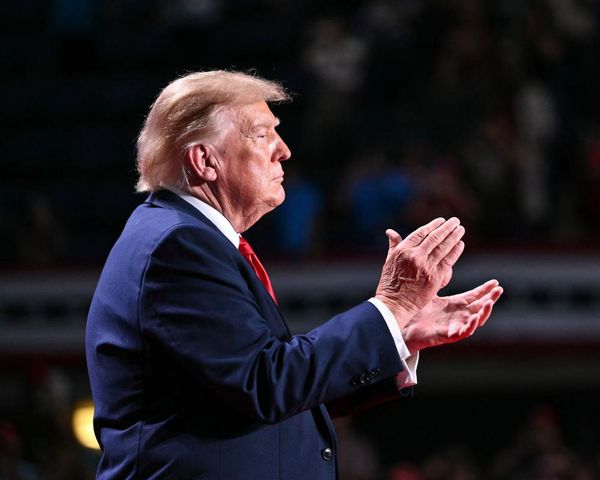
European stock markets have hit a two-week low, after Donald Trump announced a new 25% tariff on car imports to the US.
Automakers’ shares have been hit, with BMW down 2% in late-afternoon trading and Volkswagen 1.3% lower.
US manufacturers have fallen too – with General Motors falling 7%, as it will also face a tariff on cars manufactured outside the US and on imports of components.
UK chancellor Rachel Reeves has suggested Britain does not want to retaliate.
She told Sky News:
“We’re not at the moment in a position where we want to do anything to escalate these trade wars.
“We are looking to secure a better trading relationship with the United States,”
British Steel plans to close its two blast furnaces and steelmaking operations in Scunthorpe, putting up to 2,700 jobs at risk in a move unions called “devastating”.
The company, which is owned by China’s Jingye, said it would immediately start consultations with its workforce and unions on redundancies stemming from the planned closures alongside a reduction of steel rolling-mill capacity.
The closures affect between 2,000 and 2,700 workers out of a workforce of about 3,500, British Steel said, and will bring an end to steelmaking in Scunthorpe after 160 years of production.
Lower-income households are on track to become £500 a year poorer by the end of the decade as a result of the UK chancellor’s spring statement, according to analysis by a leading thinktank.
The Resolution Foundation said a combination of weak economic growth over the next five years and benefit cuts that fell disproportionately on lower-income households would result in an average annual loss of £500 in 2030 for those in the poorest half of the population.
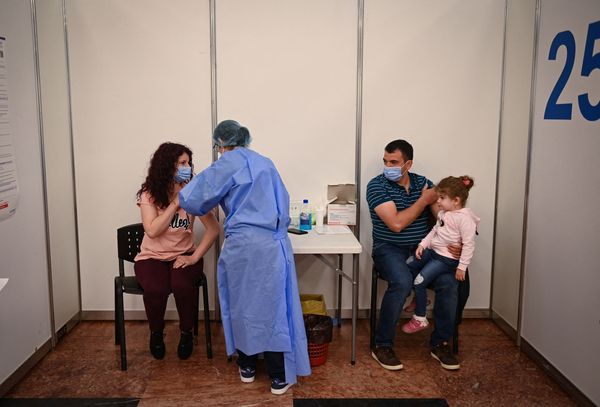
Some pharmaceuticals firms are sending more medicines by air to the US than usual, in an attempt to front-run President Donald Trump’s 2 April tariffs announcement.
Two European-headquartered drugmakers told Reuters this week they are sending as much of their medicines across the Atlantic as possible over the past several weeks and heard other pharmaceuticals companies were doing the same.