
Get all your news in one place.
100's of premium titles.
One app.
Start reading
Ideal Home
Ideal Home
Thea Babington-Stitt

Candle jars, vases and drinking glasses won't be accepted in recycling from April 2026 – here's everything you need to know about the new rules

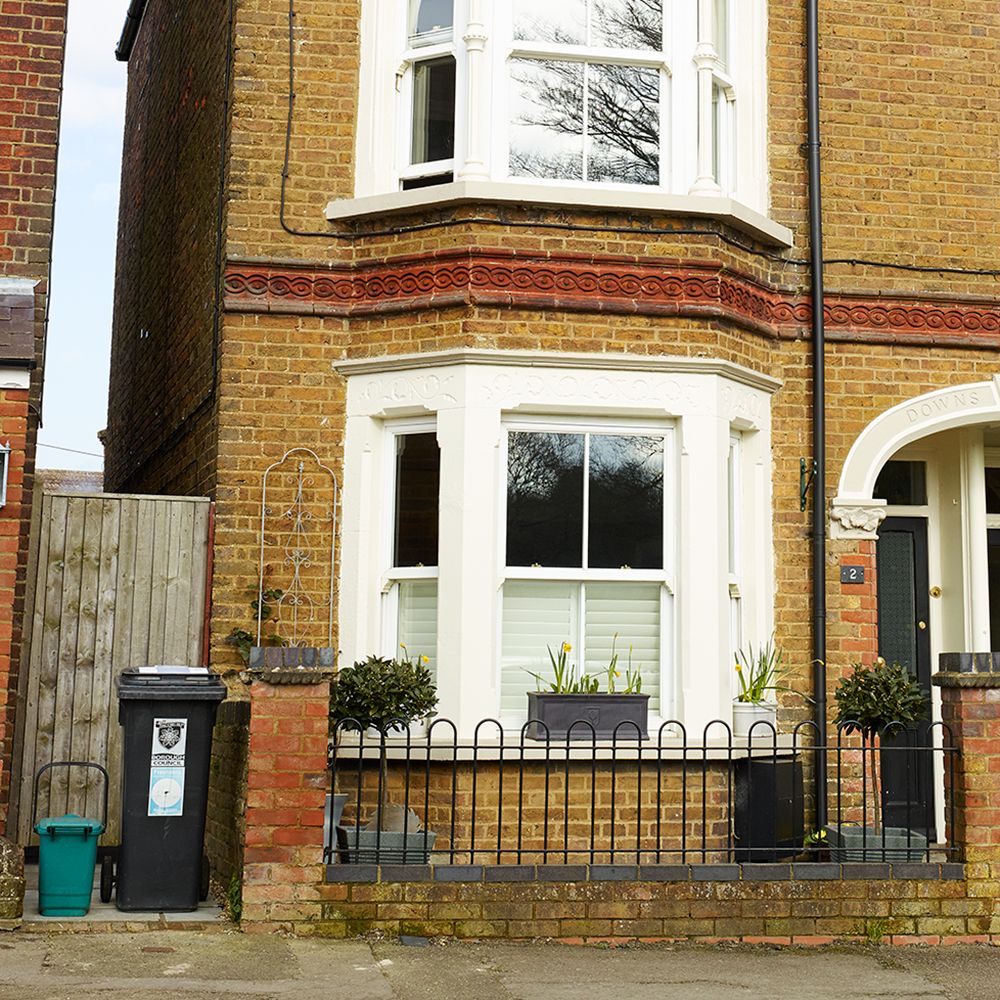
Exterior house semi detached.

From 31 March 2026, England introduces the 'Simpler Recycling' scheme, standardising what can be recycled in every home.

While bottles, jars, paper and food waste are all collected, items like drinking glasses, vases, candle jars and plant pots are not – and that's just the start of what you need to know.

The Simpler Recycling scheme explained

You may have got your head around how to recycle electronics already, but when it comes to at-home recycling things are changing.

With the new scheme, all councils in England will have the same core rubbish collections, which has been broken down into four categories:

  • Food and garden waste
  • Paper and card
  • Dry recyclables
  • Residual (or general) waste

This means that every household in the country will have the same system, but your setup may change.

Some homes could go from 1 or 2 bins to 3 or even 4. Depending on whether your council collects paper and card separately from dry recyclables. Your council will confirm your bin setup and collection schedule, with food waste likely picked up weekly and general waste less frequently.

(Image credit: Future PLC)

What you can and can't recycle

Now you've got to grips with the four sections of rubbish, let's take a closer look at what these recycling categories actually mean. One of the things which struck me most was that while councils must collect glass packaging, like bottles and jars, this doesn't mean all glass items.

Drinking glasses, vases, glass cookware, and many candle jars cannot go in your kerbside recycling as they can contaminate the process. These items were often excluded before, but now the rules are standardised nationwide.

Other tricky items include:

  • Plant pots, especially black plastic ones - too hard to process (look at other ways to recycle)
  • Toothpaste tubes - not recyclable
  • Pizza boxes - only the clean parts can be accepted, nothing with cheese or grease
  • Disposable coffee cups - the plastic lining isn't accepted
  • Compostable or biodegradable packaging - these go in with your food waste, not the recycling

A useful rule of thumb is that if it's packaging then there's a good chance it's ok to be recycled, but household items generally aren't.

(Image credit: Future PLC)

Why this matters

It's worth remembering that even if you 'get away' with these items in your recycling, if the bag is found to contain any of these items, the whole batch is considered contaminated.

Current research indicates that around 40% of household recycling is contaminated, which means whole batches of recycling are rejected.

Get ahead of the changes and make sure your home's ready to go. Add a kitchen food caddy early on to get used to it (if not using one already!), create a simple indoor bin system and make sure to rinse recyclables to avoid contamination (you just need a light rinse, not a thorough wash).

Even if this all feels like a big change, it's actually more about recycling the same things more consistently and separating them properly. Just be sure to not try and recycle things which aren't recyclable and you'll be fine!

Sign up to read this article
Read news from 100's of titles, curated specifically for you.
Already a member? Sign in here
Related Stories
Top stories on inkl right now
One subscription that gives you access to news from hundreds of sites
Already a member? Sign in here
Our Picks
Fourteen days free
Download the app
One app. One membership.
100+ trusted global sources.