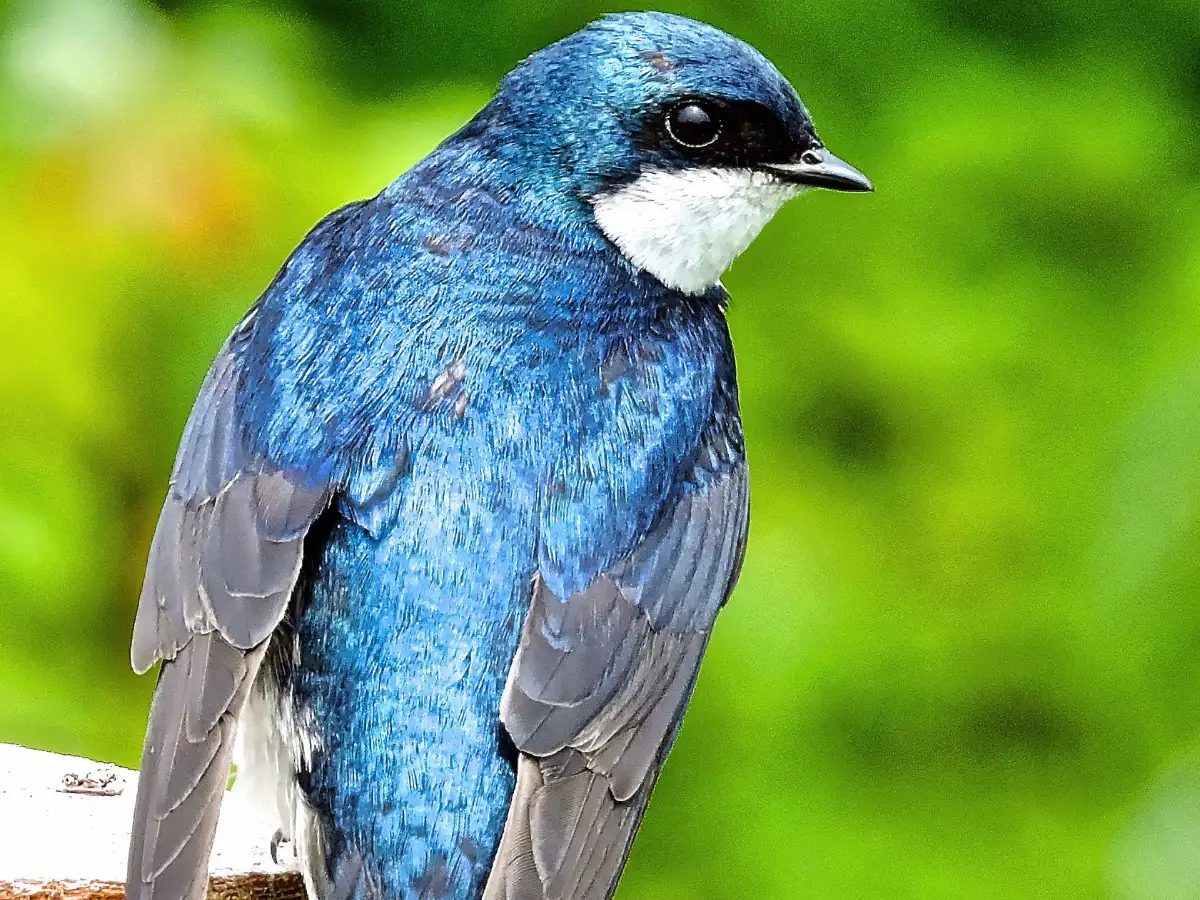
If you’ve noticed fewer bugs splattered on your windscreen on your summer road trips, you're probably not imagining it, and birds are probably feeling that loss more than we are.
A new study, ‘Resource declines shape phenological and morphological responses to climate change,’ led by the University of Michigan, found insect numbers at Canada’s Long Point Bird Observatory have declined by over 60% since the 1970s. As a direct result, tree swallows there are now smaller and produce fewer offspring than previous generations. The research, published in the Proceedings of the National Academy of Sciences, is among the first to examine how biodiversity loss and climate change together are reshaping wild birds, and the researchers say it could point to new ways to help them.