Get all your news in one place.
100's of premium titles.
One app.
Start reading
The Independent UK
The Independent UK
Lifestyle
Ella Walker

Can you really BBQ everything? This expert says yes – and has the recipes to prove it

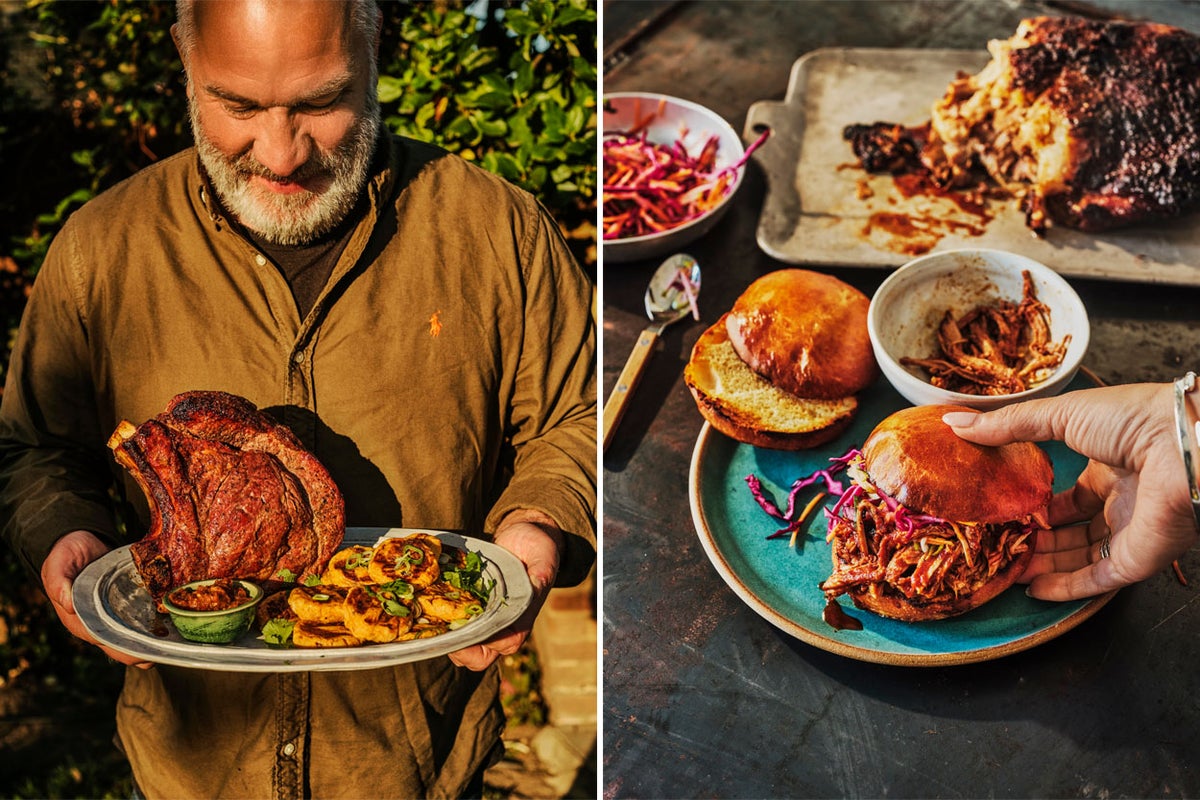
Moore is on a mission to prove the grill can handle just about anything - (Liz and Max Haarala Hamilton)

Can you really barbecue absolutely anything and everything? Belfast-based BBQ expert Jim Moore believes we can.

“I haven’t found anything I can’t cook on the barbecue yet,” he says with a grin. Hence his new cookbook, How To BBQ Everything, a guide to doing just that. And this is from a man who has cold-smoked cream on the barbecue for Irish coffee.

Known for his Instagram account @onlyslaggin, whether you’re a dab hand at grilling or your fire-cooking curiosity is only just piquing, Moore’s debut recipe collection has got you covered. Just don’t expect 10 ways with hot dogs, or him waxing lyrical about the merits of the burgers most of us grew up eating at rain-stricken summer barbies.

“It was burgers and hot dogs, maybe a piece of steak or a piece of chicken if we were being really adventurous, and they wouldn’t always be barbecued the best; black on the outside and raw on the inside. I think we’ve moved on an awful lot from that,” says Moore.

“Barbecuing is an event. It’s not just cooking a meal. I love the social side of getting people round, having a bit of fun and a bit of craic,” he continues. “You don’t do the same thing with air fryers.”

He says crucial to the allure of grilling is being outdoors and the “immersive” experience of “harnessing fire”, which might sound daunting to some, but follow Moore’s top tips and you’ll be a pitmaster in no time.

Don’t buy a BBQ cover

“Most barbecues don’t need a cover on them. I think of a cover as almost a mental block to actually cooking,” says Moore. “People will look out and go, ‘The cover’s on,’ and it’s one more thing for them to take off. I always tell people, don’t buy a cover for barbecue. Mine sits outside, 24/7, 365, and there’s never any issues with them.”

Get to grips with charcoal

“People often think, ‘I’d love to cook on charcoal. It tastes way better, but gas is so much more convenient’. But there’s loads you can do to make starting charcoal much easier,” promises Moore. “Once you get that in your head, you never go back to gas.”

He suggests using a chimney starter. “You pour charcoal into it, put a fire lighter underneath, and it works like a turbo version of the barbecue itself,” and within 10 minutes, your charcoal is lit and ready to pour into your barbecue, and you’re ready to go. There’s no waiting around for an hour for things to heat up.

A debut cookbook built on one bold idea: if it can be cooked, it can be barbecued (Ebury)

“Years ago, we would have thought about piling the charcoal in, heaven forbid, people would have put lighter fluid on it and all that to try and get it going,” says Moore. wincing. “There’s no requirement to do any of that these days.”

Barbecue whatever the weather

“I barbecue all year round,” says Moore, who often live-posts while cooking Christmas dinner on his grill. “Some of the winter months are actually better for barbecuing, because of the moisture and the air coming through that feeds the fire.”

Rain, he admits, can be a nuisance, “but if you have the BBQ on, you can nip out to check what you’re cooking, close the lid back down again and the barbecue will look after itself.”

Remember, BBQ is not a man’s world

The idea that only men man the barbecue is on its way out. “[Roughly] 30 per cent of my audience is female, and I don’t think that’s just because of my dashing good looks,” says Moore wryly.  “My wife is involved in the barbecue and she can cook every bit just as well as I can.”

He flags writers Melissa Thompson and Genevieve Taylor, who both have exceptional grilling cookbooks of their own. “It shouldn’t be a male-dominated activity. I don’t know why it’s ever fallen into that,” says Moore. “It shouldn’t be that way. Everybody can muck in and get involved.”

Make the most of a meat probe

“I’m always telling people: cook to temperature, not time. A lot of people have fear and start the chicken in the oven and then move the chicken outside to the BBQ,” says Moore patiently. “You don’t need to do that because your barbecue is an oven.”

A meat thermometer will bring peace of mind and help eliminate food poisoning. “You can probe the chicken at several different points, and you know when you hit 75 degrees, that the chicken’s fully cooked the whole way through,” says Moore. “If the packet says, ‘Cook for an hour and a half at 180 degrees’, you don’t need to do that.”

Moore’s mantra is simple – cook to temperature, not guesswork, and the rest follows (Liz and Max Haarala Hamilton)

Understand air flow

Moore says he receives messages from people saying, “I took my eye off the ball. The temperature got away from me, so I’ve opened the lid to let the heat out.”

“You have to say, ‘Well, you’re not actually letting the heat out. What you’re doing is counter-intuitive, you’re letting more oxygen in,” says Moore, which fuels the flames and the heat. “While you let more oxygen in, the fire is getting away from you. You need to close that lid and just let it settle, let that bring the heat back down again, and then you harness it back up.”

Get your head around zones

“People will put a lot of charcoal into their barbecue, or fire up every grill on their gas barbecue, and they’ve no safe zones to go to if they get a little bit of a flare-up,” explains Moore. Having hotter and cooler zones, for direct and indirect cooking, gives you options and means “we’re controlling that fire. The fire’s not controlling us”.

Have a plan

“Take your time. Think about what it is you want to do, plan your cook. Think about where you want to serve your food, and then work backwards from there and have everything ready,” says Moore. “The more you can prep and have food ready before you put on the grill, the easier it’ll be for yourself.”

But be daring

“Try and elevate it and move on from just the burgers and hot dogs,” says Moore, who has been barbecuing a lot of lamb legs recently. “Once you’ve picked up one or two recipes in the book, you’ll be off and running, trying all manner of different things. Be a bit more adventurous.”

And one day, not too far down the line, he hopes more people get “to the point where they can cook everything on the barbecue in terms of their full dish, the sides, the dessert” – the whole delicious shebang.

Crispy potato salad with mustard caper dressing

Crispy smashed potatoes show the grill isn’t just for meat, but where it really shines (Liz and Max Haarala Hamilton)

“There’s something about crispy potatoes and smoky barbecue flavour that just works, especially when it’s all finished off with a tangy, herby sauce that cuts through the richness,” says Moore. “This one was inspired by a simple tapas-style potato dish I had in a local restaurant here in Belfast, but with a full-blown barbecue twist. Instead of roasting, we crisp the smashed baby potatoes directly over the coals or in a hot griddle pan, giving them that fire-charred edge. The dressing brings everything together – creamy, lemony and packed with capers, mustard, garlic and herbs.”

Serves: 4-6

Prep time: 15 minutes, plus cooling | Cook time: 30-40 minutes

Ingredients:

For the potatoes:

750g baby potatoes

1 tbsp olive oil, plus extra for greasing (optional)

1 tsp smoked paprika

Sea salt and freshly ground black pepper

Small pinch of dried chilli flakes (optional, for heat), to serve

For the dressing:

3 tbsp mayonnaise

2 tbsp Greek-style yoghurt

1 garlic clove, finely grated

1 tbsp capers, drained and finely chopped

1 tsp Dijon mustard

Zest and juice of ½ lemon

5 spring onions, thinly sliced

30g fresh flat-leaf parsley, finely chopped

Method:

1. Add the potatoes to a saucepan of salted cold water and bring to the boil.

2. Simmer for 20-25 minutes until fork-tender. Drain and let them steam-dry in the colander for a minute or two.

3. Place the potatoes on a tray or chopping board and gently press each one with the bottom of a glass or metal cup to flatten, aim for one to one and a half centimetres thick. Let them cool slightly to firm up.

4. While the potatoes are cooling slightly, stir together the mayo, yoghurt, garlic, capers, mustard, lemon zest and juice, half the spring onions and half the parsley. Taste and adjust seasoning as needed, adding a touch more lemon if you like it extra zippy.

5. Preheat your barbecue for direct heat (medium-high 180-230C/350-450F). Brush the potatoes lightly with olive oil and season with smoked paprika, salt and pepper.

6. Grill the smashed potatoes directly on the grates or a griddle, turning occasionally until crispy and golden on the edges, ten to fifteen minutes depending on heat. Watch for flare-ups and move them to a cooler zone if needed. Once crisp, transfer to a baking tray and let them cool for five minutes.

7. Lightly toss the grilled potatoes with half the dressing until just coated, then pile them up on a platter. Spoon over the remaining dressing and scatter with the remaining parsley and spring onions. Finish with a crack of black pepper and maybe a few chilli flakes if you’re feeling bold.

8. Serve warm or at room temperature with grilled chicken, ribs or just a cold cider in hand.

Gold Coast-style coconut and lime shrimp skewers

These coconut prawn skewers lean into fire, smoke and sharp citrus for maximum impact (Liz and Max Haarala Hamilton)

“This dish takes me back to the sun-soaked sands of the Gold Coast in Australia, where prawns are almost a way of life and cooking over fire is second nature,” says Moore. “We found ourselves in a lovely beachside restaurant that was serving grilled skewers of prawns scented with lime, lemongrass and coconut – the aroma alone was unforgettable.

“These grilled prawn skewers bring that Queensland spirit straight to the barbecue. Marinated in coconut milk, lemongrass and chilli, then grilled to perfection on a barbecue plancha, soapstone or skillet, they’re vibrant, bold and unmistakably coastal. Finished with a small pinch of flaky sea salt, they are perfect with a chilled Sauvignon Blanc, and even better with the sound of ocean waves crashing nearby.”

Serves: 4-6

Prep time: 15 minutes, plus 30 minutes-2 hours marinating | Cook time: 4-6 minutes

Equipment: metal or bamboo skewers (bamboo soaked for 30 minutes)

Ingredients:

900g raw prawns, heads removed and tails on

400ml tin of unsweetened coconut milk

1 tbsp yellow curry powder or Thai-style red curry paste

1 tbsp ground turmeric

1 tbsp minced fresh ginger

1 tbsp finely chopped lemongrass

1 tsp dried chilli flakes, or finely sliced red chilli

3 tbsp fish sauce

35g desiccated coconut or coconut flakes

Fresh lime wedges, for squeezing

Method:

1. Rinse the prawns under cold running water and pat dry with kitchen paper.

2. In a bowl, whisk together the coconut milk, curry powder or paste, turmeric, ginger, lemongrass, chilli and fish sauce. Stir in the coconut. Add the prawns to the marinade and toss to coat. Cover and refrigerate for at least 30 minutes, or up to two hours.

3. Thread the prawns onto the soaked skewers and brush lightly with the reserved marinade.

4. Place the skewers directly on the grill on a high heat (230-290C/450-550F) and cook for about two minutes per side, until the prawns are pink, firm and opaque.

5. Serve on a bed of grilled pineapple and rice, with lime wedges on the side.

6. Street food-style: serve with a spicy sweet chilli dipping sauce or a fresh mango salsa.

7. Tropical Aussie vibes: add chunks of grilled pineapple or green mango to the skewers.

8. Surf club twist: serve over avocado-lime slaw or wrap in a warm flatbread with a slather of coconut yoghurt.

Pulled pork with cider mop and tangy slaw

Low and slow pulled pork proves patience pays off when cooking over flame (Liz and Max Haarala Hamilton)

“There’s something about pulled pork that just hits all the right notes – smoky, juicy, sweet and savoury all in one bite,” says Moore. “This recipe was inspired by my trips to the US, where the smell of smoke often hits you before you’ve even got out of the car. The pitmaster mopped the pork with apple cider vinegar and served it on a soft bun with a crunchy slaw. Back home, I gave it a few tweaks with Irish cider, a bold rub and that signature Onlyslaggin’ BBQ style.”

Serves: 8-10

Prep time: 20 minutes, plus marinating overnight (optional) | Cook time: 6-8 hours

Ingredients:

2.5-3kg pork shoulder, bone-in, skin removed

3 tbsp yellow mustard

3 tbsp BBQ rub (see below or use your favourite blend)

240ml apple juice or cider

For the BBQ rub:

2 tbsp sea salt

2 tbsp soft brown sugar

1 tbsp smoked paprika

1 tbsp garlic granules

1 tbsp onion powder

1 tsp cayenne pepper

1 tsp ground cumin

1 tsp freshly ground black pepper

For the cider mop sauce (optional):

240ml Magners Irish Cider

120ml apple cider vinegar

2 tbsp brown sugar

1 tsp dried chilli flakes

1 tsp Dijon mustard

To serve:

Soft brioche rolls, toasted, or flatbreads

Tangy slaw (red cabbage, carrot and apple tossed with cider vinegar and a pinch of sugar)

BBQ sauce or cider vinegar

Method:

1. Start by trimming any excess fat from the pork shoulder. Slather it all over with yellow mustard, it helps the rub stick and adds a subtle tang.

2. Mix the rub ingredients in a bowl and massage generously into the pork. Wrap tightly in cling film and chill overnight, if you’ve got the time.

3. Combine all the cider mop sauce ingredients, if using. Preheat your smoker or barbecue to 120-135C (250-275F) using a mix of charcoal and fruit wood like apple or cherry for a mild sweetness. If you’re using a water pan, add a splash of cider or apple juice or maybe some herbs for extra aroma. Set up for indirect cooking.

4. Place the pork shoulder directly on the grill or on a rack above the water pan. Cook with the lid down for six to eight hours, depending on size, until the internal temperature hits 92-95C (198-203F) and the meat feels soft and pulls apart easily.

5. Spritz with apple juice or cider every hour or so after the first two hours to keep the bark from drying out. Or mop with the cider mop every 45 minutes for a bit more tang.

6. Once cooked, remove the pork and wrap it in foil. Let it rest for at least 30 to 45 minutes. This step is crucial as resting helps all those juices settle back into the meat.

7. Using two forks or your hands (gloves help if it’s hot), shred the pork into strands, discarding any large fatty bits. Mix with any collected juices or a splash of mop sauce for moisture.

8. Pile the pork high onto toasted rolls or flatbreads. Top with a crunchy slaw and drizzle over your favourite BBQ sauce or some extra cider vinegar.

9. Deep sauce: Add a splash of bourbon to your mop sauce for deeper flavour.

10. Waste not: Use leftover pulled pork in mac and cheese, loaded fries or stuffed peppers. Or make tacos with lime crema and pickled onions.

‘How To BBQ Everything’ by Jim Moore (Ebury Press, £25).

Sign up to read this article
Read news from 100's of titles, curated specifically for you.
Already a member? Sign in here
Related Stories
Top stories on inkl right now
One subscription that gives you access to news from hundreds of sites
Already a member? Sign in here
Our Picks
Fourteen days free
Download the app
One app. One membership.
100+ trusted global sources.