
Get all your news in one place.
100’s of premium titles.
One app.
Start reading
Livingetc
Livingetc
Lilith Hudson

Can Minimalism Really Help ADHD? Here's How Intentional Design Can Calm the Mind, According to an Interiors Therapist

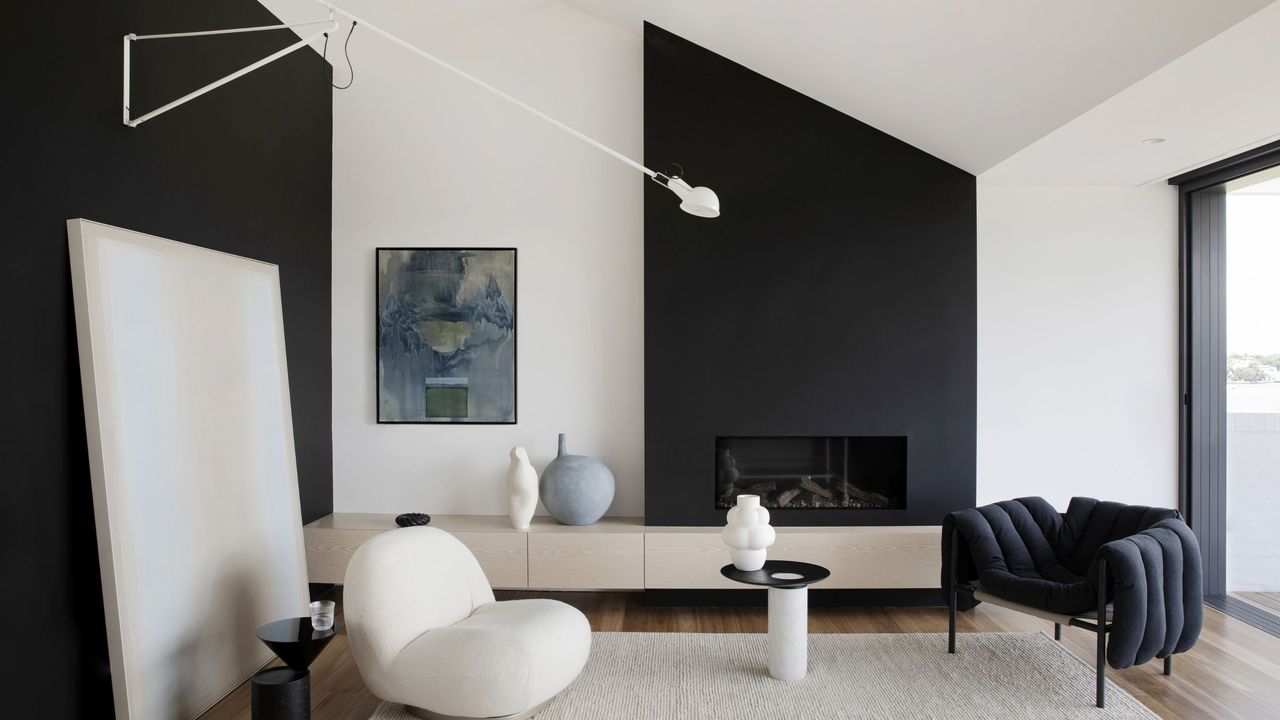
Black and white minimalist living room .

The world has got a lot better at acknowledging the pervasiveness of ADHD, but for people with the neurodevelopmental condition, home can be their own worst enemy. Characterized by patterns of inattention, hyperactivity, and impulsivity, ADHD is deeply influenced by environment. When your mind already feels chaotic, living in a space that reflects that disorder can be genuinely destabilizing — which raises the question; could minimalism offer a solution?

For someone with ADHD, the relationship between mental state and environment is a double-edged sword. The ADHD brain can make it difficult to stay on top of possessions, while cluttered, chaotic surroundings can intensify symptoms in return. That's why reducing visual noise is often appealing to those with ADHD. A minimalist interior design means fewer things, quieter spaces, and a calmer mind.

Whether you have ADHD yourself or you're looking to create a more supportive home for a friend or family member with the diagnosis, here’s how a more considered, flexible approach to minimalism can help (and where it falls short).

Can Minimalism Really Help With ADHD?

Minimalism isn't everyone's cup of tea, but it does have it's benefits for those with ADHD (Image credit: Nune)

Even if you don't have ADHD or if you're not minimally inclined, we can all appreciate the benefits of a clean, clutter-free interior. A room with fewer things appears visually calmer, mentally quieter, and easier to navigate. Compared to maximalism, it's also far more orderly, which can have a huge appeal to people with ADHD.

Suzanne Roynon is an interior design therapist who focuses on curating homes that nurture people's wellbeing. Having worked with many clients with ADHD, she says minimalism can be hugely beneficial. "While I don’t subscribe to an entirely ‘minimal’ home, there is definitely a balance to be reached whereby surfaces and walls are kept clear of everything except a few well-chosen decor items," she says.

The focus, says Suzanne, should always be comfort. The ultimate aim is a space where an ADHD brain can feel settled with minimal distractions. That being said, a space that's too minimalist can actually do more harm than good. "Because the brain responds to everything around it, a very plain, white, stark, or clinical space won’t feel welcoming or relaxing for the majority of people," explains Suzanne. "However, as the number of possessions increases in a home, there are more opportunities for distraction and feelings of overwhelm."

Curating the ideal home environment for someone with ADHD is a delicate balancing act, but generally, a space that's less visually busy and cluttered is more helpful than the alternative. This is why decluttering and minimalism should ideally go hand-in-hand for someone with ADHD. "A cluttered space is bad for wellbeing, whoever you are, but for a person with ADHD, it's a fast-track to sensory overload, congealing the ability to process thoughts, emotions, and fears," says Suzanne.

Why Do ADHD Brains Respond So Strongly to Clutter?

Staying on top of clutter is no mean feat for those with ADHD (Image credit: Inigo)

A space that's too visually cluttered can be triggering for anyone, but for those with ADHD, it's amplified. Those with the condition process their surroundings differently, and often less selectively, than neurotypical brains. In a cluttered space, every object competes for attention, creating a constant stream of visual “noise” that can make it harder to focus, prioritise, or feel at ease.

"Developing self-respect is key to flourishing with ADHD, and creating a calm, welcoming home environment is a great foundation for this to happen," says Suzanne. "Accept it takes patience, there will be hiccups and irritations along the way, but once you find the method that works, it’s possible to make positive, permanent change."

How Do You Create an ADHD-Friendly Interior?

For those with ADHD, a color palette that doesn't feel too "loud" can help still the mind (Image credit: Edvinas Bruzas (Instagram @edvinasbruzas) Design: OZA )

Initially, creating an ADHD-friendly interior may be tough. As Suzanne notes, clutter and stuff can become an ADHD comfort zone until the person realises, on their own terms, there's a better option which is more reassuring for their peace of mind. "It’s all about seeing and feeling the benefits of a more minimal living space," she says.

According to Suzanne, one of the most effective ways to bring in a more minimal feel is to treat the space as though you are moving house (also known as the move-out decluttering method). As you return items to the room, identify anything that has been outgrown or is no longer of interest. "Discuss why this is the right time to let it go and give clear, consistent explanations," says Suzanne. "Once agreement is reached, remove the item from sight immediately."

As you curate your remaining items, it's important to remember why one or two treasures displayed on a shelf is preferable to loads competing for your attention. You should also prioritize practical, usable storage solutions that encourage you, or the ADHD person in your household, to stay on top of stuff. "Don’t inadvertently encourage re-cluttering," warns Suzanne. "A calmer room will improve sleep quality, self-respect, and avoid unnecessary overstimulation."

Besides decor, consider the use of color. Minimalism is often associated with a neutral color scheme, but you don't need to rely on a palette of beiges and taupes to foster an ADHD-friendly environment. "Light neutral, earthy tones which will feel safe and soothing for ADHD energy, where greys will feel brittle, and darker, stronger colors will encourage anger and overwhelm," says Suzanne.

Her final piece of advice? Be willing to accept guidance, and acknowledge that you won't be able to solve all your problems immediately. "Little and often is preferable to a ‘one and done’ to make change gradual and less of a shock to the system," she says. "When it all gets a bit much (which it inevitably will), park the stressful situation and find something quick to deal with in another part of the home. "After this time, you'll likely feel urged to get back to the task with renewed enthusiasm.

Our environment has a profound influence on how we feel, and minimalism can be a valuable tool for people with ADHD looking to calm a restless mind. When surroundings are visually quieter and more intentional, they can ease sensory processing and reduce cognitive load — creating space to think, rest, and reset.

Decluttering with ADHD and adopting a more minimalist design style is no mean feat, yet the rewards are so worthwhile. But, as Suzanne notes, it’s important to remember that ADHD — like all neurodivergent conditions — is never one-size-fits-all. The most supportive homes aren’t defined by aesthetic rules, but by how thoughtfully they respond to the people who live in them.

Sign up to read this article
Read news from 100’s of titles, curated specifically for you.
Already a member? Sign in here
Related Stories
Top stories on inkl right now
One subscription that gives you access to news from hundreds of sites
Already a member? Sign in here
Our Picks
Fourteen days free
Download the app
One app. One membership.
100+ trusted global sources.