
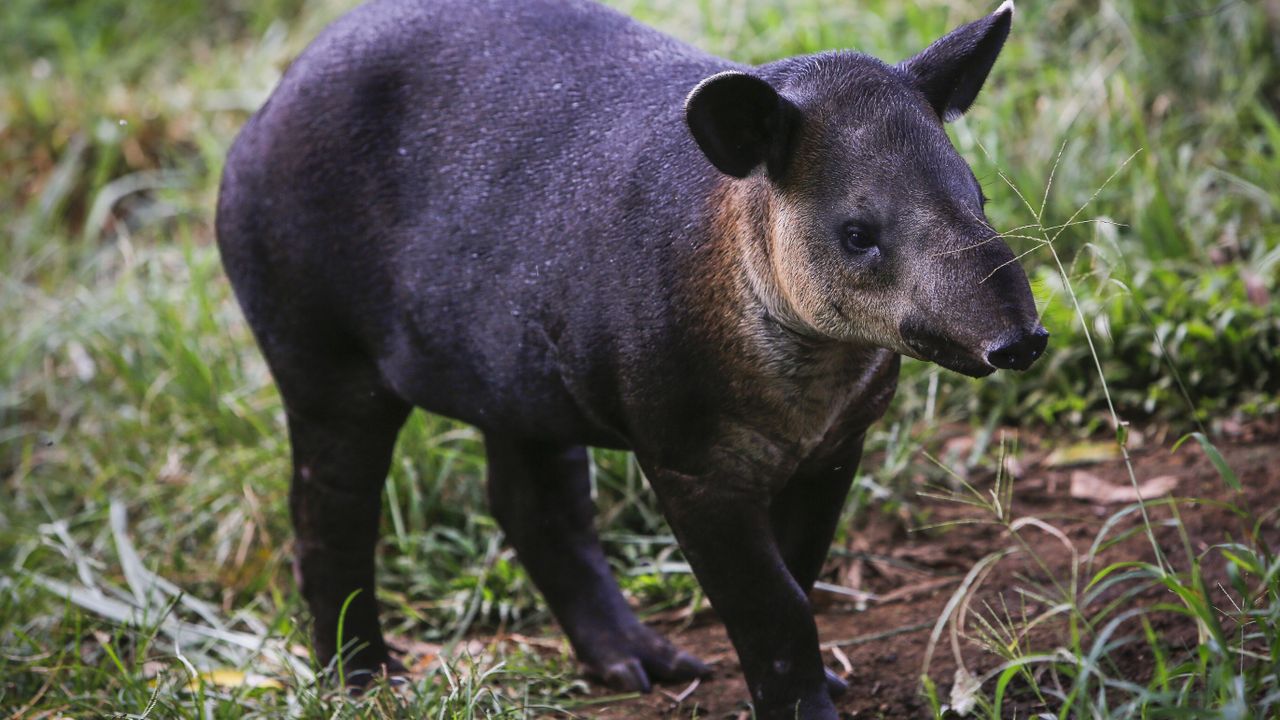
Conservationists in Honduras have published the results of an agricultural camera trap survey, revealing the true culprits for crop raiding and potentially saving the lives of an endangered mammal species that had previously been blamed and killed by angry farmers.
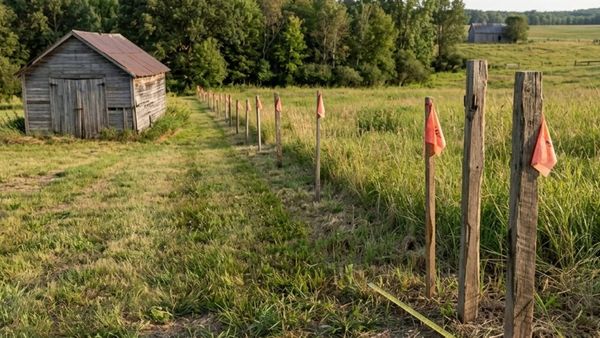
The study was carried out in Mavita, a rural farming community located in the La Mosquitia region of northeastern Honduras. Here conservationists were responding to claims from local farmers, indigenous Miskito people, that the Baird’s tapir was eating their yuca (a potato-like vegetable).
The Baird’s tapir is Central America’s largest land mammal, but it is listed as endangered on the IUCN (International Union for Conservation of Nature and Natural Resources) Red List. Scientists estimate that fewer than 5,000 mature individuals remain in the wild, following a 50% plummet in their population over the last 30 years.
Scientists from the Wildlife Conservation Society Honduras Program and the Association for Sustainability and Scientific Research in Honduras responded by setting up three trail camera in and around a yuca field.
The footage, which was captured between September 2024 and February 2025, documented 27 unique events. The video evidence revealed that, in fact, seven species – including Honduran cottontail rabbits, ocelots, jaguarundis, agoutis, opossums as well as tapirs – were consuming the farmers’ crop, with the rabbits being mostly responsible.
Miskito farmers in the region have previously killed tapirs in retaliation for suspected crop raiding, but the footage from the survey now proves that the endangered mammal is only responsible for a small amount of lost yuca production.
The conservationists now plan on using the footage as a basis for developing crop management strategies in collaboration with the farmers in order to stop locals taking actions into their own hands.
You might also like…
Discover our expert picks of the best cameras for wildlife photography along with the best lenses for bird photography and wildlife.