Get all your news in one place.
100's of premium titles.
One app.
Start reading
The Times of India
The Times of India
World
TOI World Desk

California family donates 390-acre ranch to Cal Poly after 150 years of farming

After 150 years of farming, the Brughelli family has donated its historic 390-acre ranch in San Luis Obispo County to Cal Poly. The property, located just south of the county’s regional airport, will become a living classroom where students can study agriculture, conservation, water management and natural-resource stewardship. According to Cal Poly’s announcement, Brughelli Ranch contains 100 acres of irrigated Class I soil, four interconnected wells and a seven-acre reservoir, along with dry-farming and additional plantable acreage. The land is already protected by an agricultural conservation easement and enrolled in the Williamson Act, ensuring that its agricultural identity will continue. The gift also preserves a family legacy that began with Aurelio Brughelli’s work on the ranch in 1928 and continued through generations of farming, land care and community involvement.

Get breaking news anytime, anywhere. Download the TOI app now!

A working ranch with a long history

Brughelli Ranch is not an empty tract waiting to be developed. It is a working agricultural property with a history stretching back 150 years.

The ranch’s documented story began with a United States government land patent acquired by John Anderson in July 1875. William Buckley later owned the property, followed by Dave McKeen around 1882.

Aurelio Brughelli began working on the ranch in 1928 and acquired it about two decades later from the McKeen estate. His connection to the land became the foundation of the family’s long relationship with the property.

Aurelio’s son, Ercole Charles Brughelli, was born on the ranch in 1928. He grew up there and remained connected to it for the rest of his life.

After serving in the United States Army during the Korean War, where he received a Purple Heart, Ercole returned to the family farm. He later married Naomie Jones in 1965, and the couple managed the ranch for roughly four decades, as per the report.

From family land to university property

The Brughelli Estate donated the property to Cal Poly after the deaths of Naomie in 2008 and Ercole in 2023.

The family trustees continued managing the ranchland before deciding that Cal Poly was the right institution to carry its agricultural and conservation legacy into the future.

Mark Amos, a Brughelli trustee, said the family believed the university was the clear choice when it came time to protect the land’s future. He expressed hope that Cal Poly students would learn on the ranch and take that knowledge into their careers.

The donation changes the ownership of the land while preserving much of its purpose. The ranch will remain connected to agriculture rather than becoming a residential or commercial development.

For Cal Poly, the gift provides hundreds of acres near campus where students can apply classroom lessons in a real working environment. For the Brughelli family, it creates a way for the property to continue serving future generations.

The value of prime soil

About 60 per cent of Brughelli Ranch is classified by the United States Department of Agriculture as prime agricultural land.

The property includes 100 acres of irrigated Class I soils, which are considered among the most productive agricultural soils. These fields can support a broad range of crops when sufficient water and suitable management are available.

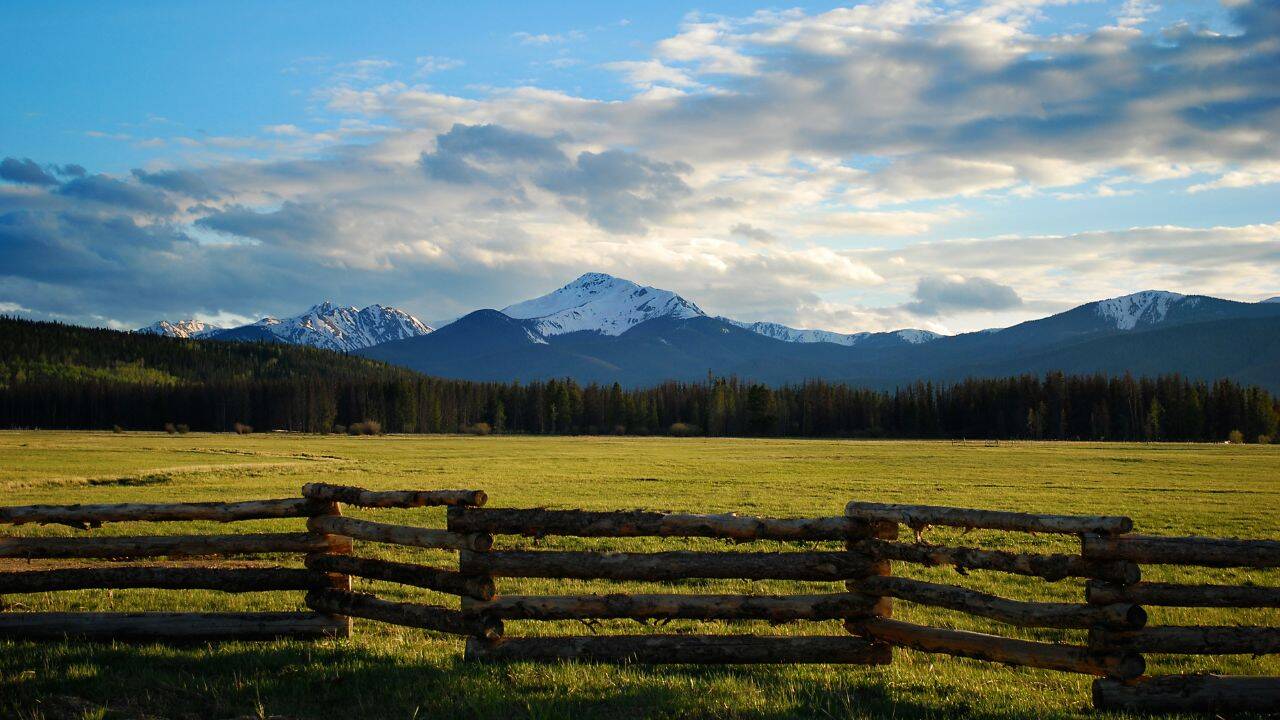
The northern part of the ranch contains irrigated cropland. Dry-farm and additional plantable acreage extend south and west across gently rolling terrain.

The difference between irrigated and dry-farmed land is important in California. Irrigation provides more control over crop production, while dry farming depends more heavily on seasonal rainfall and soil moisture.

The availability of both types of land gives the ranch educational value. Students can compare different agricultural systems, examine water requirements and study how soil, weather and management affect crop production.

Existing leases with established farming operators will continue to support agricultural operations on the land. Those leases also provide a revenue base for managing the property.

Water resources on the property

Brughelli Ranch includes four interconnected wells and a seven-acre reservoir.

Water is one of the most important resources on any California farm. A reliable water system can determine what crops can be grown, how much land can be cultivated and how resilient a farm is during dry periods.

The ranch’s water infrastructure creates opportunities for students and researchers to examine groundwater, surface storage, irrigation systems and water conservation.

The property is also crossed by San Luis Creek and Buckley Creek. These waterways add ecological features to a landscape that is otherwise shaped by agriculture.

Creeks can provide habitat, move water through the property and influence soil and vegetation. They also create opportunities to study the relationship between farming and natural-resource protection.

Managing a working farm near waterways requires careful attention to runoff, erosion, nutrient movement and water quality. Those issues are central to modern agriculture, especially in regions where water supplies are under pressure.

The wells, reservoir and creeks therefore make the ranch more than a collection of fields. They form a working water system that can be studied in real time.

Protected by a conservation easement

The property was permanently protected through an agricultural conservation easement established in 2015.

The easement was created by the Ercole and Naomie Brughelli Trust in partnership with the city of San Luis Obispo and the Land Conservancy of San Luis Obispo County. It limits development and protects the agricultural and natural features of the ranch.

The land is also enrolled in the Williamson Act, a California programme that supports the long-term preservation of agricultural and open space land by placing restrictions on development.

These protections were in place before Cal Poly received the donation. That means the university acquired land with a legally established conservation identity.

The easement will guide how Cal Poly manages the ranch. The university must respect the terms of the agreement, the Williamson Act, the family’s intentions and its own educational mission.

Permanent protection is important because ownership can change. A university may manage the property differently from a private family, but the conservation easement ensures that the ranch’s agricultural future remains protected.

A living classroom for students

Cal Poly is known for its Learn by Doing approach.

The Brughelli Ranch expands that philosophy by giving students access to a productive agricultural landscape where classroom concepts can be tested through direct experience.

Agriculture students may study crop production, soil health, irrigation and farm business management. Environmental science students may examine creeks, habitats and conservation practices. Engineering students could explore water infrastructure, equipment and agricultural technology.

Researchers may also collaborate with growers, industry partners and local organisations on practical problems facing California agriculture.

A living classroom offers advantages that a laboratory cannot fully reproduce. Students can observe changing conditions across seasons, see how weather affects crops and understand the decisions required to manage land under real economic and environmental pressures.

They also learn that agriculture is connected to water, soil, biodiversity, markets and communities. A working ranch makes those relationships visible.

Conservation and agriculture together

The donation demonstrates that productive farmland and conservation do not have to be opposing goals.

Agricultural land can provide food, income and research opportunities while also supporting natural features such as creeks, mature vegetation and wildlife habitat.

The challenge is to manage those uses responsibly. Farming can affect water quality and soil health, but conservation practices can reduce erosion, improve soil structure and protect waterways.

Students working at Brughelli Ranch may be able to study practices such as cover cropping, efficient irrigation, buffer zones and soil monitoring. The property’s existing conservation protections can provide a framework for testing methods that support both production and environmental stewardship.

Cal Poly President Jeffrey D. Armstrong said the ranch would give students a place where agriculture, conservation and natural-resource stewardship come together.

That combination reflects the realities facing California. Farmers must produce food while responding to drought, changing weather, soil degradation and pressure from development.

The role of family stewardship

The ranch’s future is connected to the work of several generations.

Aurelio Brughelli began working on the property in 1928. Ercole returned to the ranch after military service and spent decades managing it with Naomie. The family did not treat the land simply as a financial asset. It was also a home, workplace and community responsibility.

The couple often worked with local young people interested in agriculture and the environment. That experience adds another dimension to the donation.

The ranch had already been functioning as a place of informal learning before it became connected with Cal Poly. Students and young people could see how agricultural work was carried out and how land was cared for over time.

The university can build on that tradition through formal classes, research projects and public programmes.

The family’s legacy is therefore preserved not only in the property’s name or history but in its continued use as a place where people learn about working landscapes.

A bridge between past and future

The donation creates a connection between traditional farming knowledge and modern agricultural research.

The Brughelli family’s experience reflects practical knowledge developed through decades of observation and work. Cal Poly brings students, faculty, scientific tools and partnerships with agricultural industries.

Those forms of knowledge can strengthen each other. Researchers may test new ideas, while farmers provide insight into what works under local conditions.

A university-owned working ranch can also serve as a place to evaluate technology before it is applied elsewhere. Irrigation monitoring, crop trials, soil analysis and conservation systems can be studied under real conditions.

The property’s location near campus makes regular access easier for students and faculty. It can become a long-term resource rather than an occasional field-trip destination.

That continuity matters. Agriculture changes across seasons and years, so ongoing observation can produce more useful information than a single short study.

Cal Poly’s agricultural holdings

Cal Poly already manages extensive agricultural land.

The university maintains more than 10,000 acres, making it the largest university agricultural landholder in California and one of the largest university landowners in the United States. Its holdings include campus and nearby agricultural lands, Swanton Pacific Ranch in Santa Cruz County and Cal Poly Solano Campus in Vallejo.

The Brughelli Ranch adds another important property close to the San Luis Obispo campus.

Its productive soils, water resources and protected status complement Cal Poly’s broader mission. The ranch can support teaching and research while remaining part of the region’s working agricultural landscape.

The new property may also allow the university to expand collaborations with local farmers, environmental organisations and government agencies.

Because the university already has experience managing agricultural lands, it is positioned to incorporate the ranch into existing programmes while respecting its distinct history and conservation requirements.

A gift with lasting value

The Brughelli family’s donation gives Cal Poly access to a property that combines history, productivity and environmental significance.

The 390 acres include prime irrigated soils, dry-farm land, plantable acreage, four interconnected wells, a seven-acre reservoir and two creeks. The land has supported agriculture for 150 years and is protected against development through a conservation easement and the Williamson Act.

Its value cannot be measured only by the size of the donation. The ranch provides a setting where students can learn how agriculture operates in the real world and how conservation can be integrated into productive landscapes.

The gift also prevents the property from becoming disconnected from its agricultural identity. Future students will encounter fields, water systems and natural features that were cared for by the Brughelli family across generations.

For the family, donating the ranch ensures that its future remains active rather than frozen. The land will continue to grow crops, support research, teach students and contribute to the stewardship of California’s working landscapes.

What began as a family farm in the 19th century will now serve as a university classroom for generations to come.

Sign up to read this article
Read news from 100's of titles, curated specifically for you.
Already a member? Sign in here
Related Stories
Top stories on inkl right now
One subscription that gives you access to news from hundreds of sites
Already a member? Sign in here
Our Picks
Fourteen days free
Download the app
One app. One membership.
100+ trusted global sources.