Get all your news in one place.
100's of premium titles.
One app.
Start reading
The Times of India
The Times of India
World
TOI World Desk

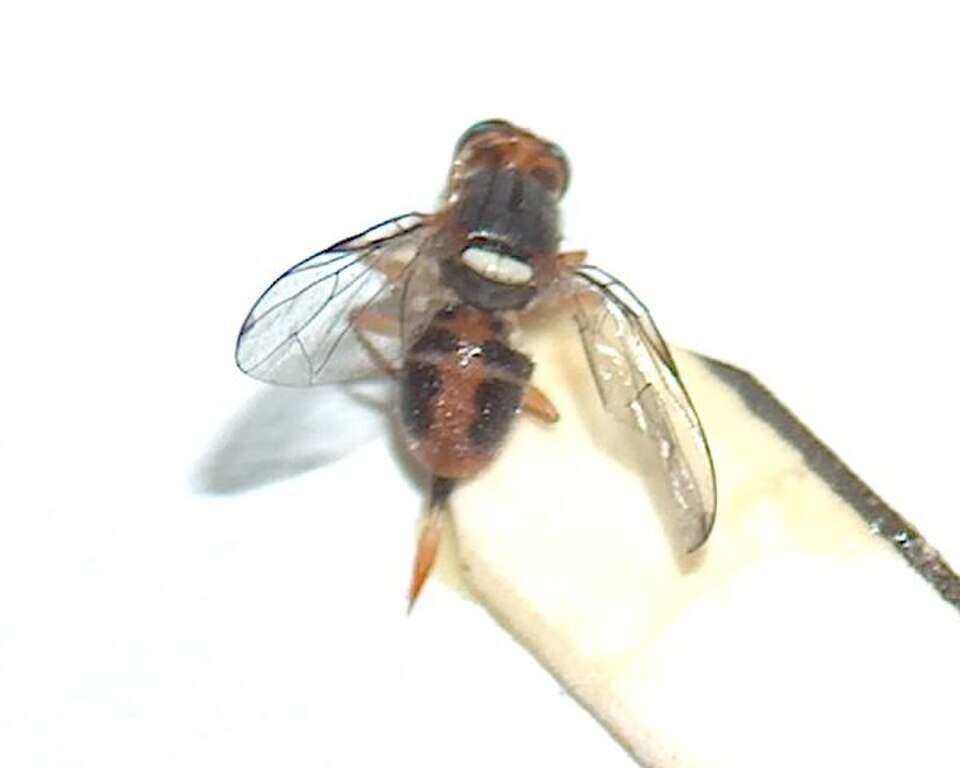
California accidentally introduced the olive fruit fly in 1998, and within five years, it had spread across every olive-growing region, forcing growers into permanent pest-control programs that transformed the state's olive industry.

While the tiny bug, about the size of a grain of rice, drew little concern when it appeared in Southern California in 1998, few expected it to become such a serious problem. Bactrocera oleae, the olive fruit fly, is an invasive species native to the Mediterranean region that quickly spread to California's olive-growing areas. It posed a serious threat to an agricultural sector that had long avoided its most damaging pest.

Get breaking news anytime, anywhere. Download the TOI app now!

Unlike some of the pests in agriculture that target multiple products, the olive fruit fly feeds on olives particularly. Female flies make holes in young fruit to deposit their eggs under the skin. Once they hatch, the larvae start to bore tunnels inside the fruit, destroying its integrity and leaving space for other infections, thus lowering the quality of olives used for eating and olive oil production.

A rapid invasion across California

The olive fruit fly was first detected in Southern California in 1998. Scientists believe it most likely arrived through the accidental movement of infested olives or plant material during international trade, although the exact pathway has never been confirmed. Once established, the insect spread with remarkable speed.

California's climate and widespread olive plantings offered ideal conditions for the pest. The state's Mediterranean climate closely resembles the fly's native habitat, while thousands of commercial orchards, ornamental olive trees, and abandoned groves provide an almost continuous supply of host plants. As the insect expanded northward, new infestations were reported across the Central Valley and coastal regions.

A study published in Economic Entomology documented the extraordinary pace of the invasion. By 2003, only five years after its initial detection, the olive fruit fly had spread throughout California's principal olive-growing regions. Surveys also confirmed that the insect successfully infested numerous cultivated and ornamental olive varieties, demonstrating its ability to exploit a wide range of host trees across the state.

The rapid expansion alarmed growers because California's olives had previously been grown without this specialised pest. Once established, complete eradication became virtually impossible, shifting the focus from elimination to long-term management.

Why the olive fruit fly is so difficult to control

Unlike insects that feed only on leaves or stems, olive fruit fly larvae develop inside the fruit itself. This behaviour protects them from many predators and reduces the effectiveness of conventional pesticide applications.

Female flies select olives that are beginning to mature and insert a single egg beneath the fruit's skin. After hatching, the larva feeds within the pulp before emerging to pupate either inside the fruit or in the soil beneath the tree. Damaged olives often drop prematurely or become unsuitable for processing, while puncture wounds allow microorganisms to enter the fruit, further reducing quality.

The researchers discovered that infestation levels differed from one olive variety to another, but no commercially significant variety was completely resistant. Infestation levels were also affected by environmental factors, maturity of the fruits and climate, making it possible for population levels to change during the growing season. Because of these biological properties, farmers started preferring IPM programs instead of using only pesticides. Trapping, field surveillance, sanitation, spraying of baits and biological control became key practices in olive farming.

Research continues to improve management strategies.

Even though attempts to exterminate the olive fruit flies were unsuccessful, scientific studies have greatly improved the management techniques for dealing with the pest.

Scientists have developed monitoring tools that use pheromone and food-baited traps to detect fly presence before populations become economically damaging. Parasitic wasps that are common in the natural habitat of the flies have been studied as a means of reducing the number of pests by natural methods. Understanding the insect's life cycle helps farmers time control measures more effectively and with less environmental impact.

The invasion has also brought scientists, agricultural departments, and farmers into closer cooperation. There are extension programs that offer frequent monitoring reports and recommendations on how to deal with the pests. Even though olive fruit flies are now well established in California, the situation remains under control.

More than two decades after its arrival, the olive fruit fly remains one of California's most significant pests of olives. Its rapid spread demonstrated how quickly invasive species can establish themselves when environmental conditions are favourable, while also highlighting the importance of early detection, scientific research and coordinated pest management in protecting agricultural production.

Sign up to read this article
Read news from 100's of titles, curated specifically for you.
Already a member? Sign in here
Related Stories
Top stories on inkl right now
One subscription that gives you access to news from hundreds of sites
Already a member? Sign in here
Our Picks
Fourteen days free
Download the app
One app. One membership.
100+ trusted global sources.