Burundi faces serious climate and environmental challenges. The biggest is the country’s overdependence on the use of biomass (firewood). The second is outdated agricultural practices that have led to deforestation. In turn this has increased the country’s vulnerability to climate shocks.
A landlocked country on the north-eastern shores of Lake Tanganyika, Burundi is extremely poor, with 76% of the population living below the poverty line (US$2.15 per day) in 2023. It is also ranked the 22nd most vulnerable to climate change in the world.
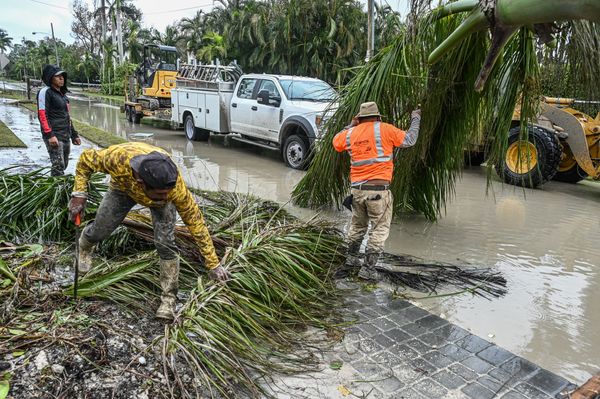
Burundi produces very little CO₂ (less than 0.02% of global greenhouse gas emissions). Its challenge is therefore less about reducing greenhouse gases and more about managing its vulnerability to climate change. The excessive use of biomass and deforestation make it more vulnerable to extreme weather events such as droughts and floods.