Get all your news in one place.
100's of premium titles.
One app.
Start reading
We Got This Covered
We Got This Covered
William Kennedy

Burger King weathers Trump’s economy as Whopper redux pays dividends

In a sign of resilience amid a mixed U.S. economy, Burger King announced plans to add 60,000 jobs across its roughly 6,500 U.S. restaurants in 2026.

It’s a major expansion that executives attribute to surging customer demand following changes to its iconic Whopper sandwich and broader operational improvements.
The nationwide hiring initiative, covering roles from entry‑level crew members to management positions, marks one of the largest workforce expansions in the brand’s recent history. The push is part of Burger King’s broader turnaround strategy, which leaders say has translated into both higher sales and guest traffic after years of lagging performance relative to competitors.

People are hungry for Whopper changes

According to the Daily Mail, central to Burger King’s momentum is a notable refresh of the its flagship product, the Whopper, the first substantive update in nearly a decade. The revamped Whopper now features a premium bun, reformulated creamier mayonnaise, and other ingredient tweaks, and is served in a box rather than traditional paper to preserve presentation and quality, according to the company.

While the flame‑grilled beef patty remains unchanged, the refreshed sandwich reflects a deliberate effort to address long‑standing consumer complaints about soggy buns and inconsistent builds, boosting both taste and perceived value. Early reports suggest the changes have helped drive increased restaurant visits and sales, with industry analysts noting Whopper comparisons in viral taste tests may also have aided the brand’s visibility.

Burger stands out in a crowded fast food field

Burger King’s growth contrasts with a more uneven performance across the broader quick‑service restaurant (QSR) sector. Major rivals such as McDonald’s recently rolled out a revamped value menu to address inflation‑weary consumers, underscoring competitive pressure in an industry where price sensitivity remains high.

Industry trends show fast food chains grappling with rising costs and shifting consumer behavior. According to market research, the U.S. fast food restaurant segment has seen modest long‑term revenue growth but faces potential short‑term revenue declines as diners weigh value and quality amid tighter household budgets.

McDonald’s, for example, has experienced slowing same‑store sales growth compared to Burger King’s gains, according to recent financial analysis, and is betting on value pricing and new menu additions to win back lapsed customers.

Burger King’s hiring surge and sales uptick occur against a backdrop of mixed economic signals nationally. While GDP growth remains positive, labor market expansion has slowed, and consumer affordability continues to be a concern.

Economists report that overall U.S. economic growth in 2025 was modest and job creation lagged expectations, creating a context where corporate performance can diverge sharply from the average consumer experience. Inflation has eased somewhat but remains above long‑term targets, particularly in food prices, where costs for eating out and groceries rose more rapidly than overall inflation in early 2026.

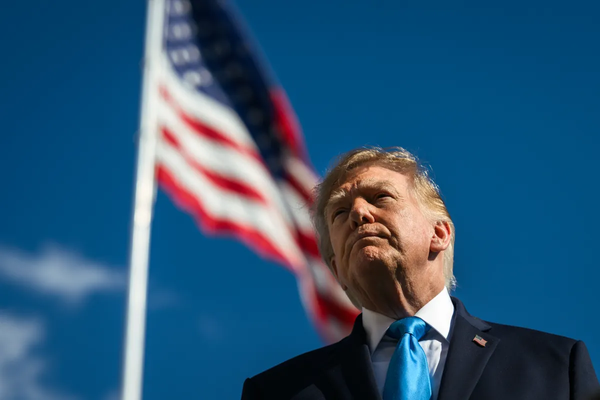
Donald Trump’s economic narrative touts job creation and robust output, but data show that wage growth and employment expansion have been uneven at best, creating a backdrop where strong corporate hiring announcements resonate as newsworthy even as many Americans feel economic pressure.

Sign up to read this article
Read news from 100's of titles, curated specifically for you.
Already a member? Sign in here
Related Stories
Top stories on inkl right now
Our Picks
Fourteen days free
Download the app
One app. One membership.
100+ trusted global sources.