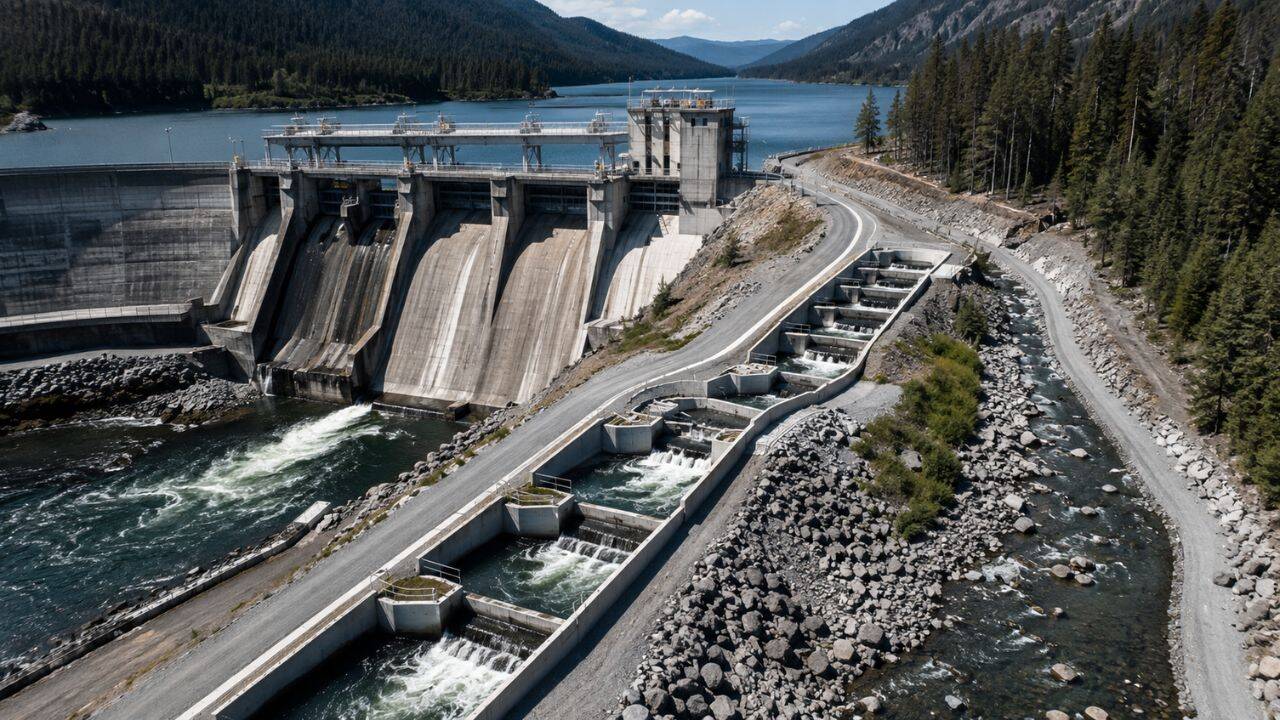
When Mud Mountain Dam was completed in 1948 along Washington State's White River, its purpose was straightforward. The earthen structure was built to reduce flooding across downstream communities, protecting homes, businesses and farmland from damaging seasonal flows. Fish passage existed from the beginning, but it reflected the engineering standards of another era. As salmon populations declined and environmental protections strengthened over the following decades, the ageing system no longer matched the needs of native species. That gradual shift in priorities eventually led to one of the largest ecological infrastructure projects ever undertaken at a US flood-control dam, combining modern engineering with long-term efforts to restore fish migration while preserving the dam's original role in protecting communities.
Get breaking news anytime, anywhere. Download the TOI app now!