
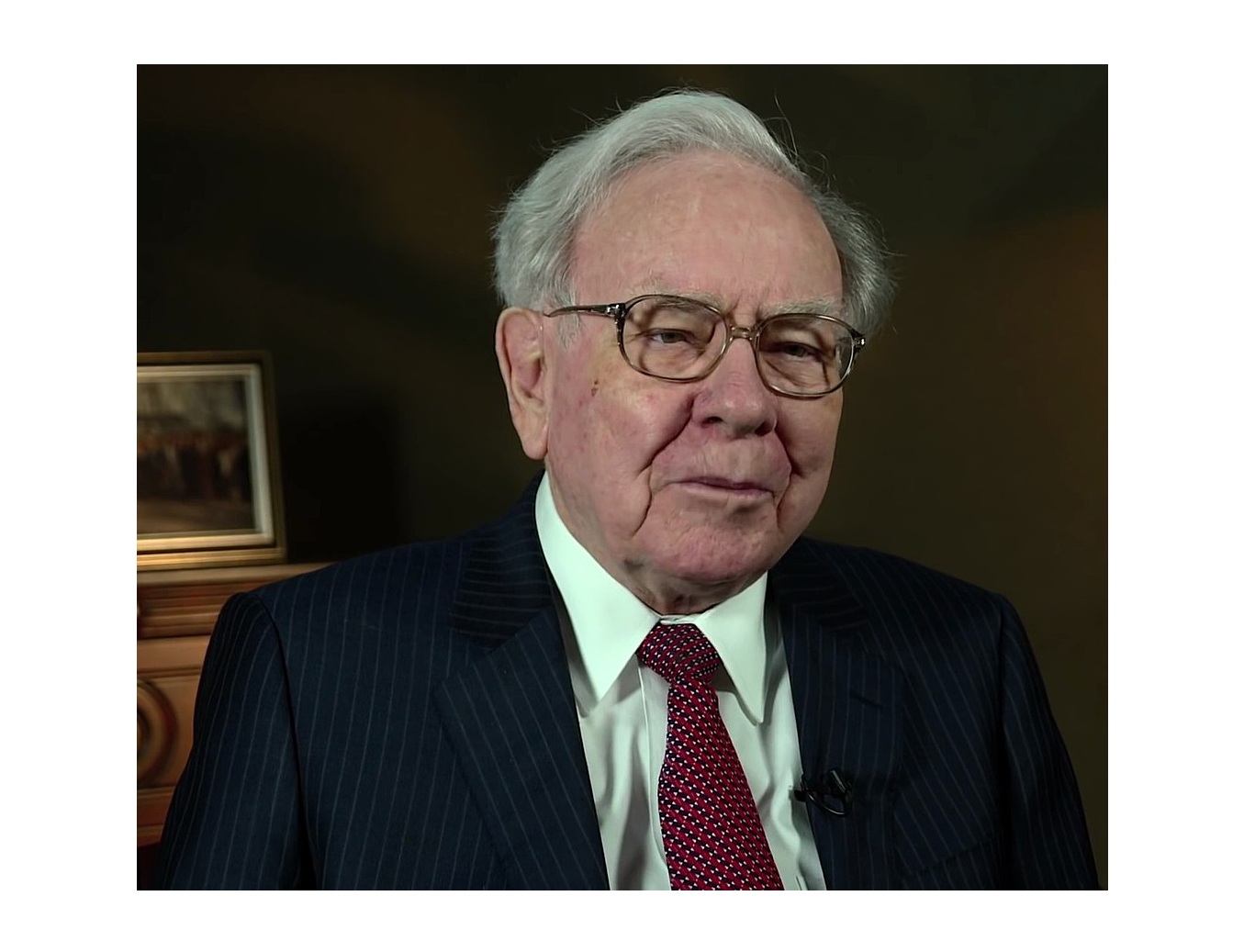
Bottom Line Up Front: In a single metaphor tucked into his 1994 Berkshire Hathaway (BRK.B) (BRK.A) shareholder letter, then-CEO Warren Buffett explained a core idea that still separates long-term capital builders from short-term speculators: owning a piece of something extraordinary beats owning all of something mediocre. When Buffett wrote that it is “far better to own a significant portion of the Hope Diamond than 100% of a rhinestone,” he wasn’t just talking about portfolio construction: he was explaining why Berkshire has spent decades accumulating partial stakes in rare, dominant businesses instead of chasing total control of forgettable ones.
The Details: By 1994, Berkshire Hathaway was already the parent of several wholly owned subsidiaries, but Buffett was careful to emphasize that Berkshire’s partial ownership stakes were just as critical to its success. These weren’t passive bets or trading positions. They were long-term economic partnerships with businesses that possessed durable advantages, global scale, and pricing power – what Buffett referred to as “rare gems.” The key wasn’t owning them outright. The key was owning enough of them to let their economics meaningfully flow through to Berkshire shareholders.














