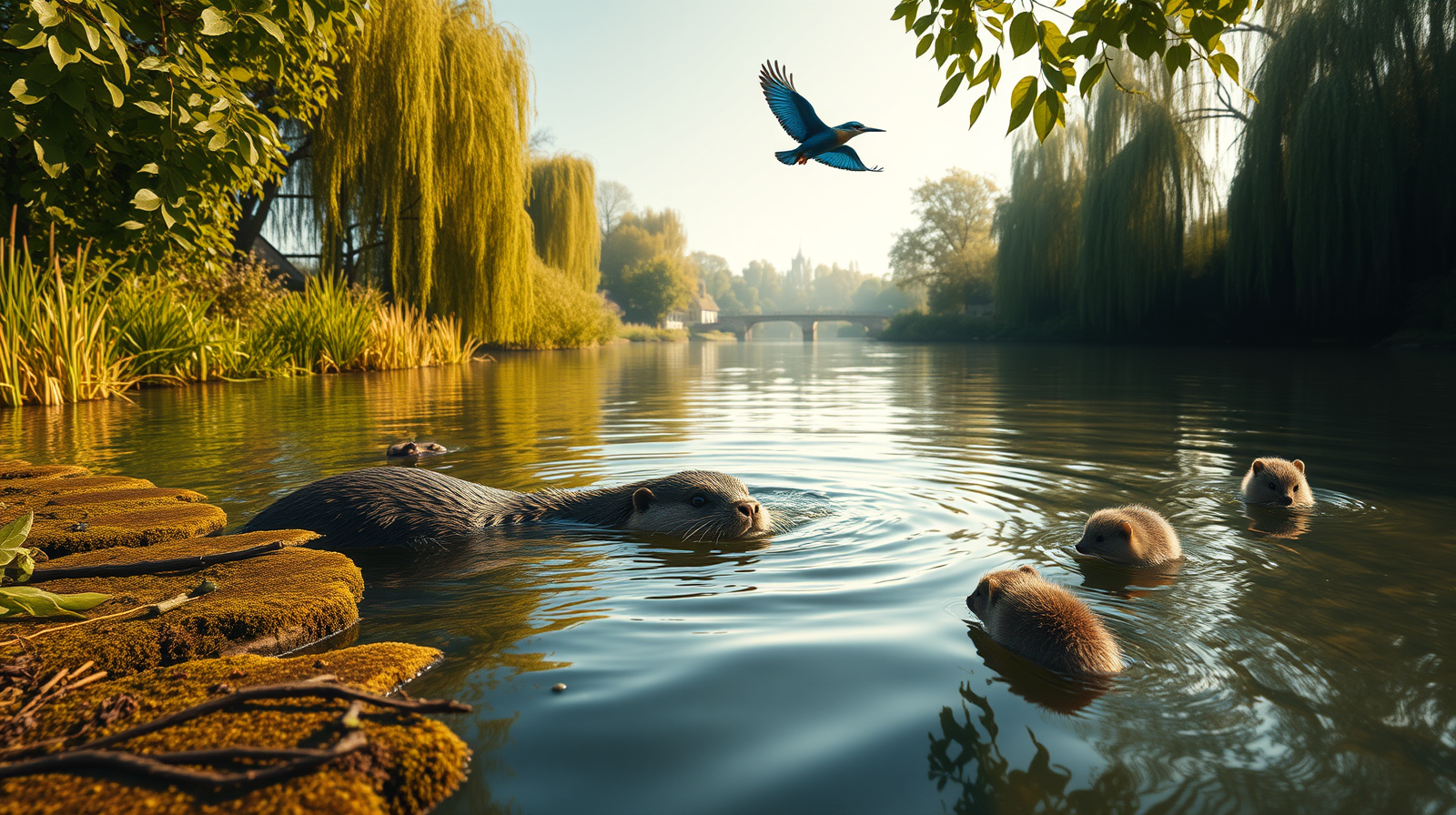
Britain's canal network was never designed with nature in mind. Built more than two centuries ago to move coal, clay and cotton across an industrialising country, these engineered waterways were about as far from a natural habitat as a landscape could get. Yet today, nearly 8,000 kilometres of canals crisscrossing the country have quietly become something else entirely, a refuge for some of Britain's most threatened wildlife. From water voles clinging on after a catastrophic population crash to otters returning to cities they vanished from decades ago, these industrial relics are now doing ecological work nobody originally intended, offering a rare example of infrastructure built for one purpose becoming essential for something else altogether. This unexpected ecological role has led some conservationists to argue that ageing infrastructure elsewhere, if managed thoughtfully rather than demolished, could offer similar unplanned benefits for wildlife struggling to find suitable habitat in increasingly developed landscapes.
Get breaking news anytime, anywhere. Download the TOI app now!