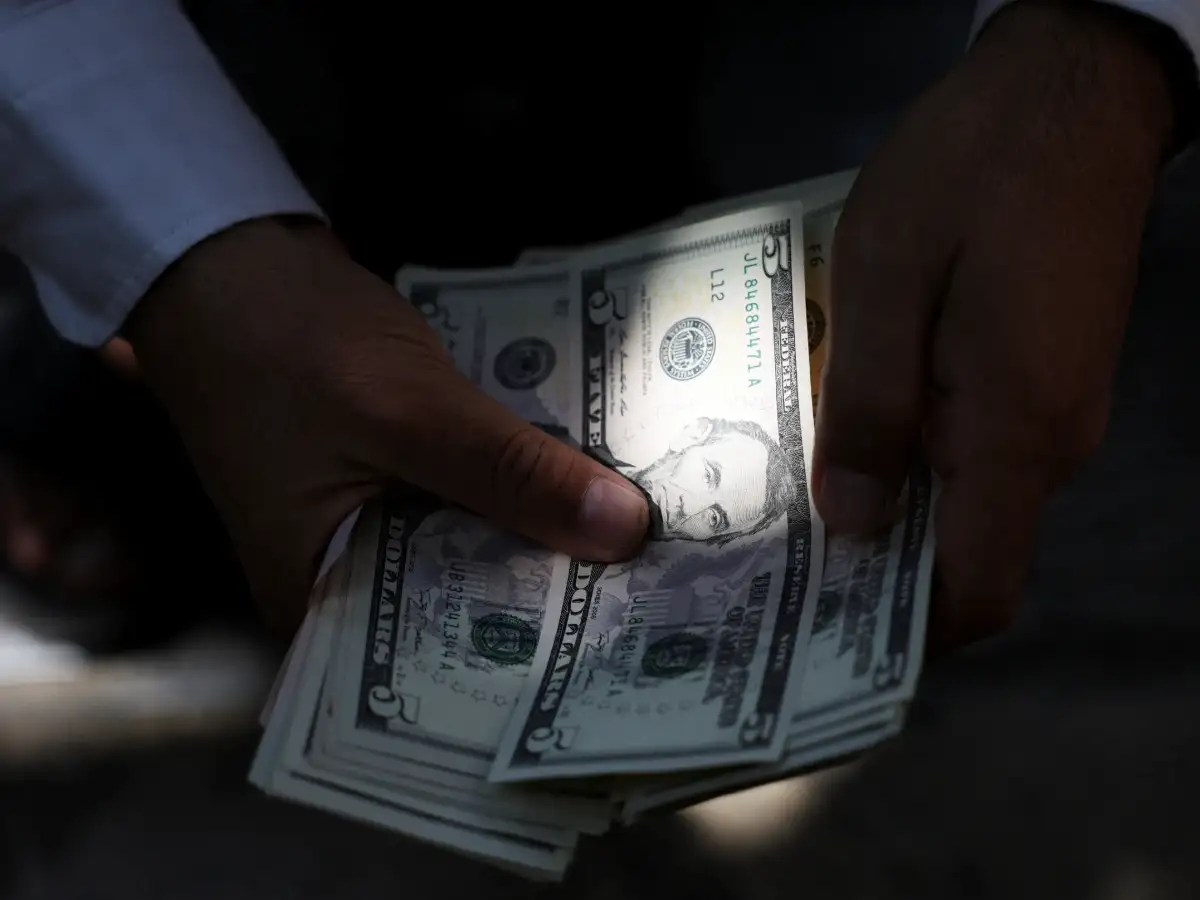
It's not yet a monetary revolution. But it's a real change, perhaps just as important. For decades, the dollar has been the lubricant of world trade. Oil, gas, raw materials, most international trade, forex reserves - almost everywhere, the dollar has established itself as the reference currency. And this trade dominance has had a particularly favourable consequence for the US. The world needs dollars, which have been circulating, some of which comes back to buy US debt.
This system has not disappeared, far from it. But it is being eroded. And BRICS' expansion is a very visible symptom of it. The grouping now has 11 members, plus several partner countries. Their aim is not specifically to create a single currency that would compete with the dollar.