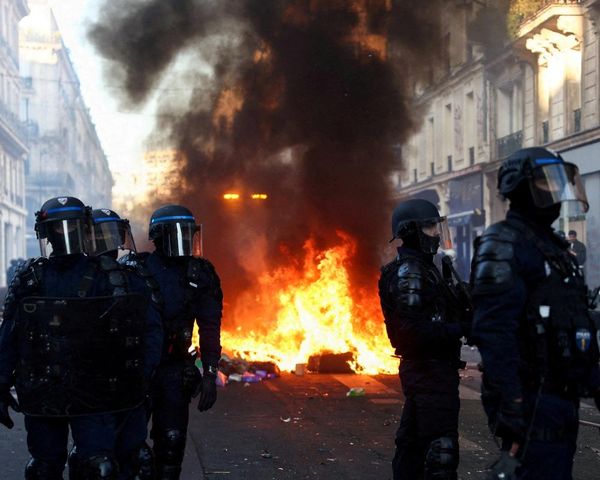
Brazil’s defeated former president, Jair Bolsonaro, was in Florida this month when his supporters tried — but failed — to overthrow the country’s young democracy. It was a sign that many in Latin America’s largest nation believe so fiercely in his movement that it can persist without its namesake.
Although Bolsonarismo appears disoriented at the moment, the broader trend will endure. That's according to academics who study the movement and participants in the trend themselves, from the far-right radicals who stormed the capital to more ordinary Brazilian social conservatives. Many feel that leftist Luiz Inácio Lula da Silva was such a threat to their country that his victory required the military to prevent him from taking office.