Brazilian drivers saw petrol prices climb just 5% in March while American consumers took a 30% hit, and the gap traces back to a single crop planted half a century ago that the rest of the world dismissed.
As the Iran conflict enters its fifth week and the Strait of Hormuz remains blocked, Brazil's national ethanol programme is delivering on the promise its architects made when they launched it in 1975 under the country's military dictatorship.

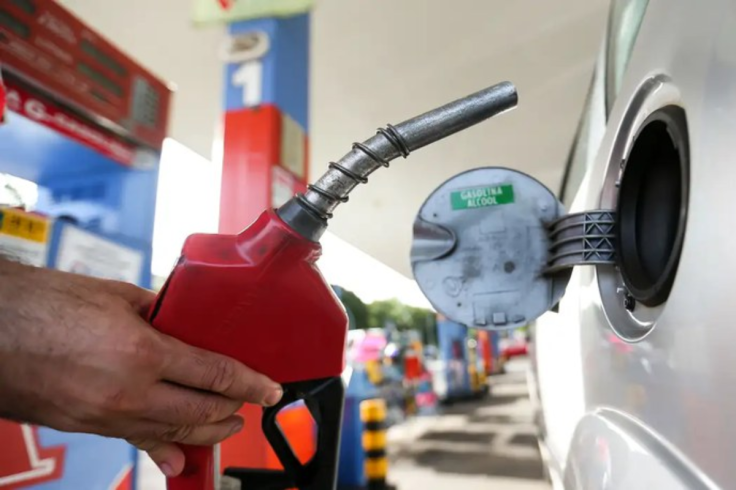
Millions of Brazilian motorists can pull into any filling station and choose between pure sugarcane ethanol or a petrol blend mixed with 30% biofuel. That flexibility, built into a dual-fuel vehicle fleet unmatched anywhere else, has turned an agricultural commodity into a shield against the worst oil shock in a generation.
A Record Harvest at the Right Time
Brazil's next sugarcane harvest, starting in the first half of April, is projected to yield a record 37 billion litres of ethanol. That figure is four billion litres above last year's output. Evandro Gussi, president of the Brazilian Sugarcane Industry Association (UNICA), said the surplus on its own matches all the petrol Brazil imported throughout 2025.
The pricing gap is hard to ignore. Petrol refined by state-run Petrobras, blended with biofuel, costs 46% less than imported fuel, industry data showed. Ethanol sales reached 37.1 billion litres in 2025, Brazil's Energy Research Company reported. For Brazilian drivers, a genuine alternative exists at every forecourt when global crude prices spike.
The International Scramble Brazil Didn't Expect
The bigger story isn't Brazil's domestic cushion. It's the rush from oil-dependent nations trying to copy it. India and Mexico are both studying the Brazilian model as a framework for their own energy security.
Mexican President Claudia Sheinbaum said in March she wants access to Petrobras' technology for producing ethanol from agave, a crop grown widely across her country. Petrobras CEO Magda Chambriard is set to visit Mexico City this month to present a formal collaboration proposal between the two state oil firms.
'The best news, even in the midst of a situation like the one we are experiencing, is that this solution has a significant level of replicability,' Gussi said.
The Diesel Gap Nobody Talks About
Brazil's reliance on soybean-based biodiesel, comprising 15% of the fuel blend, highlights a significant gap in its green energy strategy. This 15% share, half that of ethanol's 30% contribution to petrol, suggests a sustained dependence on diesel imports likely to persist past 2030.
The fallout has already arrived. Diesel prices in Brazil jumped more than 20% in March, forcing President Luiz Inacio Lula da Silva to propose import subsidies running through May. Government estimates show the country must buy between 20% and 30% of its diesel every month, with most of it coming from Russia.
For the 80-year-old leader facing re-election in October, keeping diesel stable is essential to prevent trucker strikes and food price spikes.
What This Means for the UK
For British motorists, the contrast stings. UK petrol prices rose 12p per litre in the first three weeks of March alone, House of Commons Library data showed, and live forecourt trackers showed averages above 150p per litre by month's end. With Brent crude closing March at $118 (£90) a barrel, the pain isn't over.
Brazil's five-decade programme proves that long-term investment in homegrown fuel alternatives can pay off when the world's most critical oil chokepoints go dark. The question for policymakers in London is simple. Are they willing to plant their own 50-year seed?