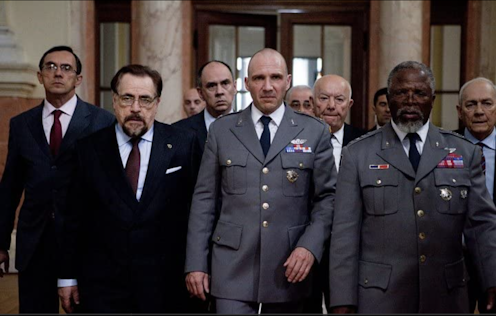
Only two days separate Anzac Day and Shakespeare’s (presumed) birthday and actual death-day. This proximity is coincidental. But amid a war in Ukraine, being reported in horrifyingly graphic detail from the point of view of the victims, and given Shakespeare is the world’s most-quoted, most-performed and most studied writer, it is reasonable to ask: what does he tell us of war?
In 26 of his 38 plays, Shakespeare includes a war in either foreground or background. In all these, anti-war invectives abound in epigrammatic phrases: “O, war thou son of hell” (Henry VI, part 2); “the hideous god of war”; “war and lechery confound all” (Troilus and Cressida); “dogged war bristle[s] his angry crest / And snarleth in the gentle eyes of peace” (King John).