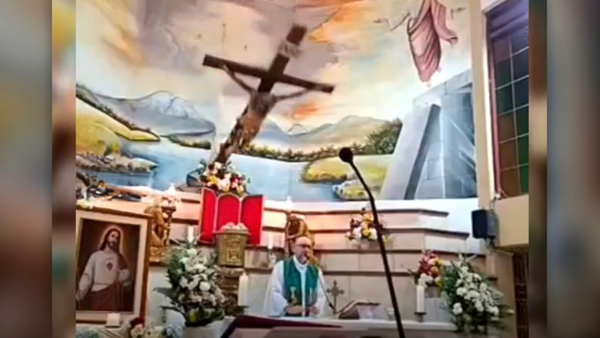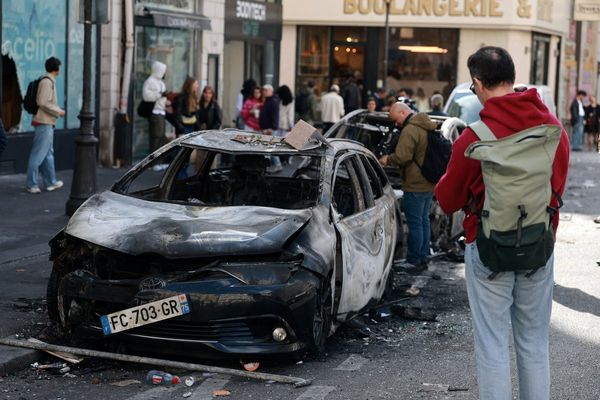
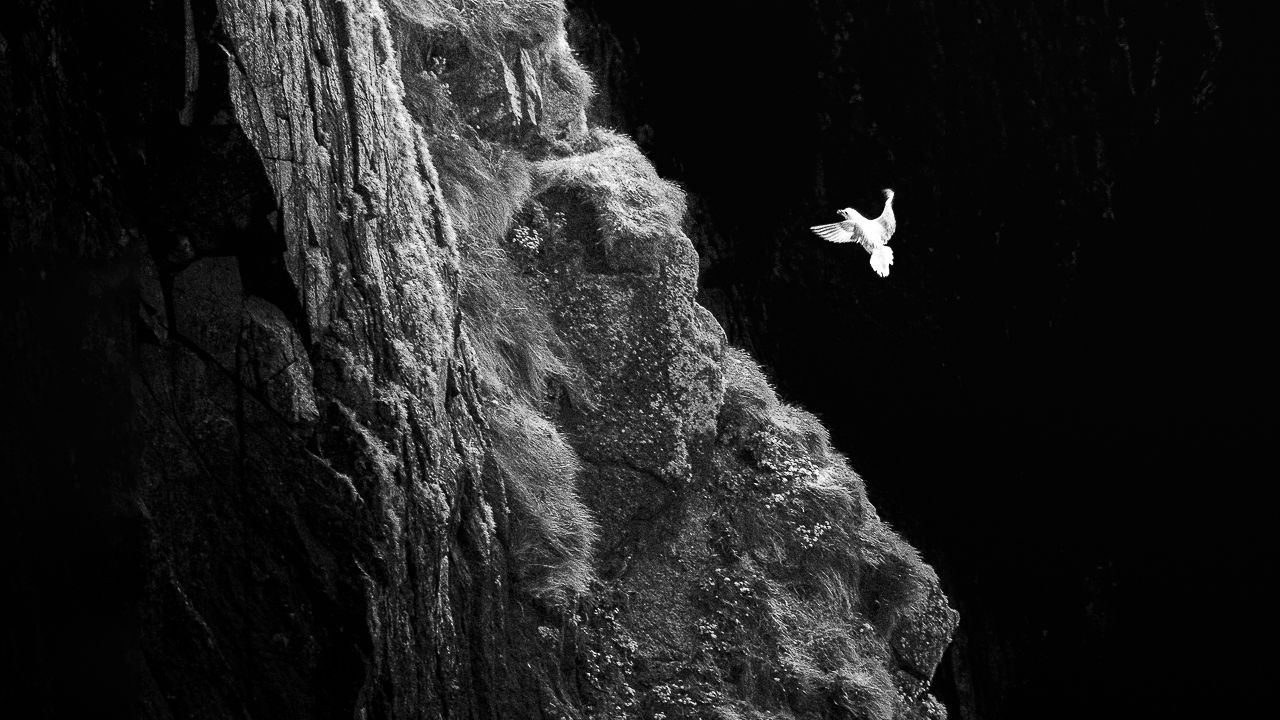
I still remember when I first used black-and-white as a crutch. I took a street photo with good composition and atmosphere, but the clash of colors ruined it.
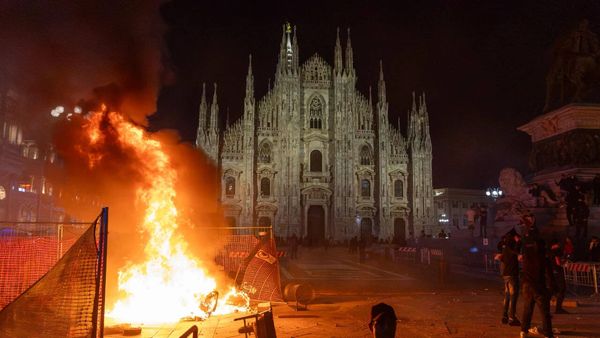
Neon lights were too bright, signs competed, and a bright jacket was too distracting. Frustrated, I chose the easy fix – removing the color. Instantly, the photo looked cleaner, moodier, and more 'artsy,' or so I convinced myself.
That was the start of my complicated relationship with black-and-white photography. At first, it was just a shortcut – a way to salvage photos that failed in color. I liked the drama and abstraction, and it easily hid flaws. Eventually, I realized I was missing something.
Are we connecting with the medium, or do we simply hiding mistakes through monochrome tones?

Deep down, I knew I was not being honest. I hadn't intended the photo to be black-and-white; I only converted it later. That's when I understood black and white should be a thoughtful choice, not just a quick fix.
Studying the work of classic photographers like Henri Cartier-Bresson and Akihito Nagata, I saw the power of intentional black-and-white.
They didn't just remove color; they created new ways of seeing. Their photos overflowed with emotion, using light and shadow as primary tools. I realized this choice changes an image's story.
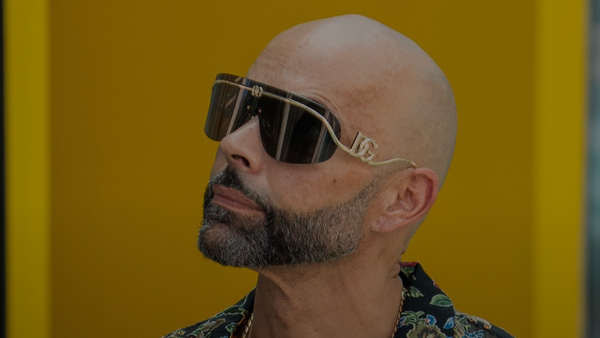
Lines, shadows, and highlights stand out. Texture, movement, and feeling take focus. A busy street is about people’s flow, not bright lights. Portraits lose color but reveal expression, structure, and soul.
How to change your approach

I challenged myself to imagine scenes in black and white. How would this moment feel without color? What story could I tell with contrast, shape, or timing?
These questions changed my approach. I saw black-and-white as a creative choice, not a backup plan. The best black-and-white photographers plan for monochrome before shooting. They seek contrast in the light and compose knowing color won't help. Their photos work because they are made for black-and-white.
Now, before fixing a photo by removing color, I pause. What am I really trying to say? Sometimes the story needs tone, texture, or quiet moments – then black-and-white fits. If I'm just hiding mistakes, it shows.
This change made my work more honest – and it might change yours too.

I use black-and-white to highlight what matters: the message, emotion, and timeless feeling only monochrome provides. When I shoot or convert, it's because the image needs it.
This mindset changed my approach. Black-and-white became its own language –intentional and lasting. It's not for fixing color photos, but a creative choice shaping the image's feel.
In the end, black-and-white isn't a crutch; it's a craft. It pushes us to look deeper, connect, and compose with care. Used well, it reveals the true heart of a moment.
That's why I use black-and-white with respect and purpose – it still speaks clearly, even without color.
You might like...
Browse the best cameras for black and white photography.
Interested in more? Here's how to think in black and white.